


 HOME
HOMEWhy does pressure overshoot occur during hydrostatic pipe testing
22 July 2026
Written by: Marley Machinery Engineering Team
Pressure overshoot during Hydrostatic Testing occurs when the actual test pressure temporarily exceeds the specified target pressure. This usually happens because of excessive pump output, delayed control response, trapped air inside the pipe, or improperly tuned pressure control systems. A modern hydro testing machine for pipe minimizes pressure overshoot through closed-loop PLC control, high-accuracy pressure sensors, proportional valves, and optimized pressurization algorithms, ensuring safe and repeatable Steel Pipe Testing.
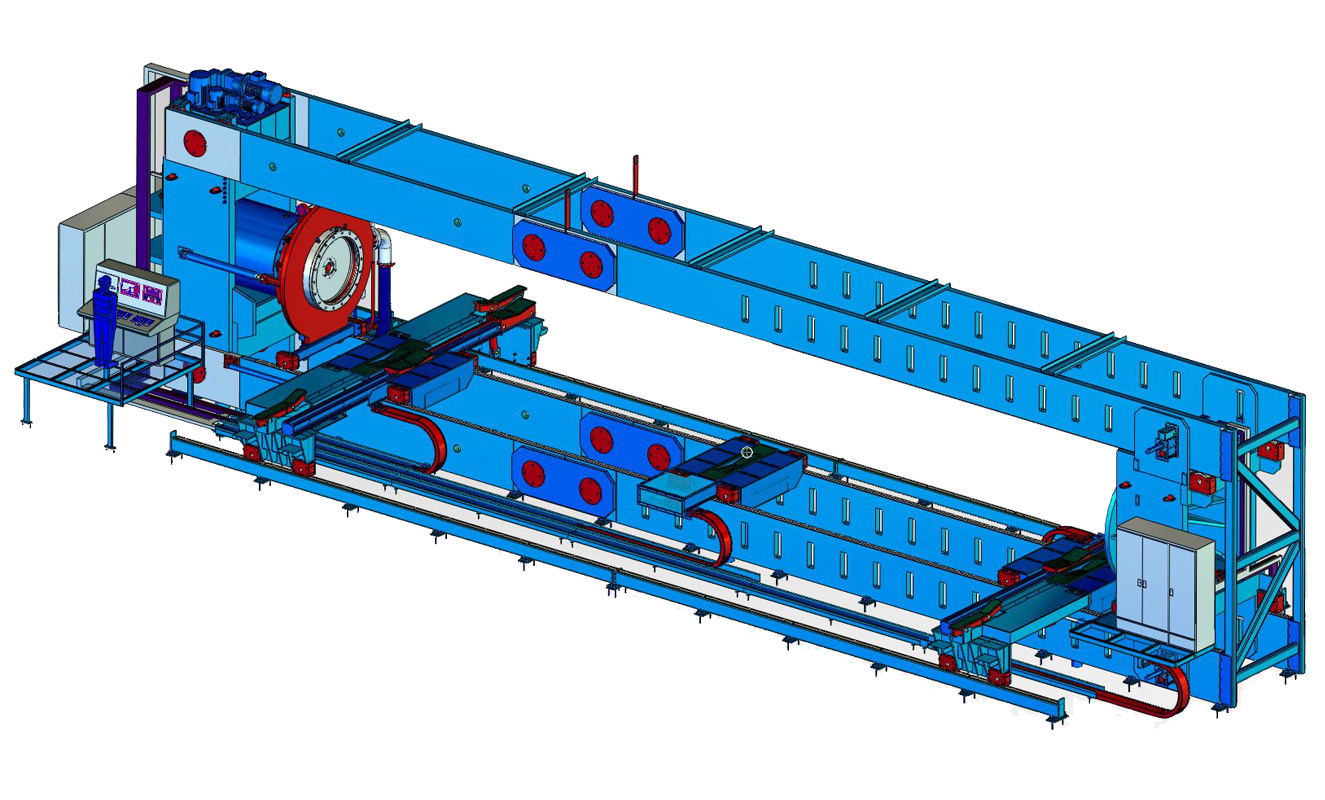
Detailed Explanation
In Hydrostatic Testing, the objective is to raise the internal pressure of a steel pipe to a specified value and hold it for a defined period without exceeding the allowable tolerance.
In industrial production, Hydrostatic Testing is commonly performed in accordance with internationally recognized standards such as API 5L, API 5CT, ASTM A53, ASTM A106, ISO 3183, and EN 10217, or according to customer-specific testing specifications. These standards define the required test pressure, holding time, allowable pressure tolerance, and acceptance criteria to ensure consistent and reliable Steel Pipe Testing.
Pressure overshoot happens when the pressurization system cannot stop increasing pressure quickly enough after reaching the target value. Although the pressure may return to the correct level within seconds, excessive overshoot can affect test accuracy, reduce equipment life, or even damage the test specimen if severe.
The most common causes are listed below.
|
Cause |
Explanation |
|
Pump inertia |
High-pressure pumps continue delivering water briefly after the target pressure is reached. |
|
Slow control response |
Delays between sensor measurement, PLC calculation, and valve adjustment allow pressure to rise above the set point. |
|
Trapped air |
Residual air compresses during testing and expands unpredictably, causing unstable pressure behavior. |
|
Incorrect PID settings |
Poorly tuned control parameters may produce excessive pressure fluctuations. |
|
Fast pressurization speed |
Increasing pressure too rapidly reduces the controller's ability to stabilize accurately. |
|
Valve response delay |
Hydraulic or proportional valves may require time to react after receiving control commands. |
These factors may occur individually or together, especially in older pipe hydro testing equipment with basic control systems.
Why Pressure Overshoot Matters
Small pressure fluctuations are generally acceptable within the tolerance defined by applicable testing standards. In most automated pipe hydro testing machines, manufacturers typically control pressure overshoot within ±0.5% to ±1.0% of the target test pressure, although the acceptable tolerance ultimately depends on the applicable standard and customer requirements. Maintaining pressure within this range helps ensure accurate test results while reducing unnecessary stress on seals, pumps, and hydraulic components.However, repeated or excessive overshoot can create several problems.
- Reduced test accuracy
- Inconsistent inspection results
- Additional stress on seals and hydraulic components
- Increased maintenance costs
- Shorter service life of pumps and valves
- Possible rejection of otherwise qualified test data
For manufacturers performing high-volume Steel Pipe Testing, stable pressure control is essential for maintaining consistent product quality and meeting customer specifications.
How Modern Hydro Testing Machines Prevent Pressure Overshoot
Today's hydro testing machine for Pipe systems use intelligent pressure control instead of simple on/off pumping.
Typical solutions include:
- Closed-loop PLC pressure control
- High-speed pressure transmitters
- Proportional or servo-controlled valves
- Variable-frequency pump control
- Multi-stage pressurization
- Automatic pressure compensation
- Real-time monitoring with digital data recording
Many advanced pipe hydro testing machines gradually reduce the pressurization rate as the target pressure approaches. Instead of applying full pump capacity throughout the test, the control system automatically slows pressure buildup during the final stage, greatly reducing the risk of overshoot.
This approach improves repeatability while protecting both the testing equipment and the pipe under inspection.
Practical Considerations
Engineers can significantly reduce pressure overshoot by following several best practices.
|
Recommendation |
Benefit |
|
Completely remove air before testing |
Improves pressure stability |
|
Calibrate pressure sensors regularly |
Ensures accurate pressure feedback |
|
Optimize PLC or PID parameters |
Minimizes oscillation and overshoot |
|
Increase pressure gradually |
Provides smoother pressure control |
|
Maintain pumps and proportional valves |
Improves system response |
|
Verify pressure recorder accuracy |
Ensures reliable test documentation |
Regular preventive maintenance is equally important. Worn seals, contaminated hydraulic oil, or sticking valves can all reduce control precision and increase pressure fluctuations over time.
Pressure overshoot during hydrostatic testing is typically caused by delayed control response, pump inertia, trapped air, or improper pressure regulation. While minor overshoot may fall within acceptable limits, excessive pressure spikes can compromise testing accuracy, increase equipment wear, and reduce production consistency.
A modern hydro testing machine for pipe equipped with intelligent PLC control, precision sensors, and optimized pressurization logic can effectively minimize pressure overshoot. For manufacturers performing automated Steel Pipe Testing, stable pressure control is a key factor in achieving reliable results, meeting international quality standards, and extending the service life of pipe hydro testing equipment.


