


 HOME
HOMEWhat Is a Hydro Testing Machine for Pipe
16 July 2026
Written by: Marley Machinery Engineering Team
A hydro testing machine for Pipe is an industrial testing system designed to verify the pressure integrity, strength, and leak-tightness of steel pipes by filling them with water and applying controlled internal pressure. The process, known as Hydrostatic Testing, confirms that each pipe can safely withstand its specified operating pressure before it is delivered for use in industries such as oil and gas, water transmission, construction, power generation, and chemical processing.
Unlike air pressure testing, hydrostatic testing uses water because it is nearly incompressible, making the test significantly safer while providing accurate and repeatable results for Steel Pipe Testing.
Detailed Explanation
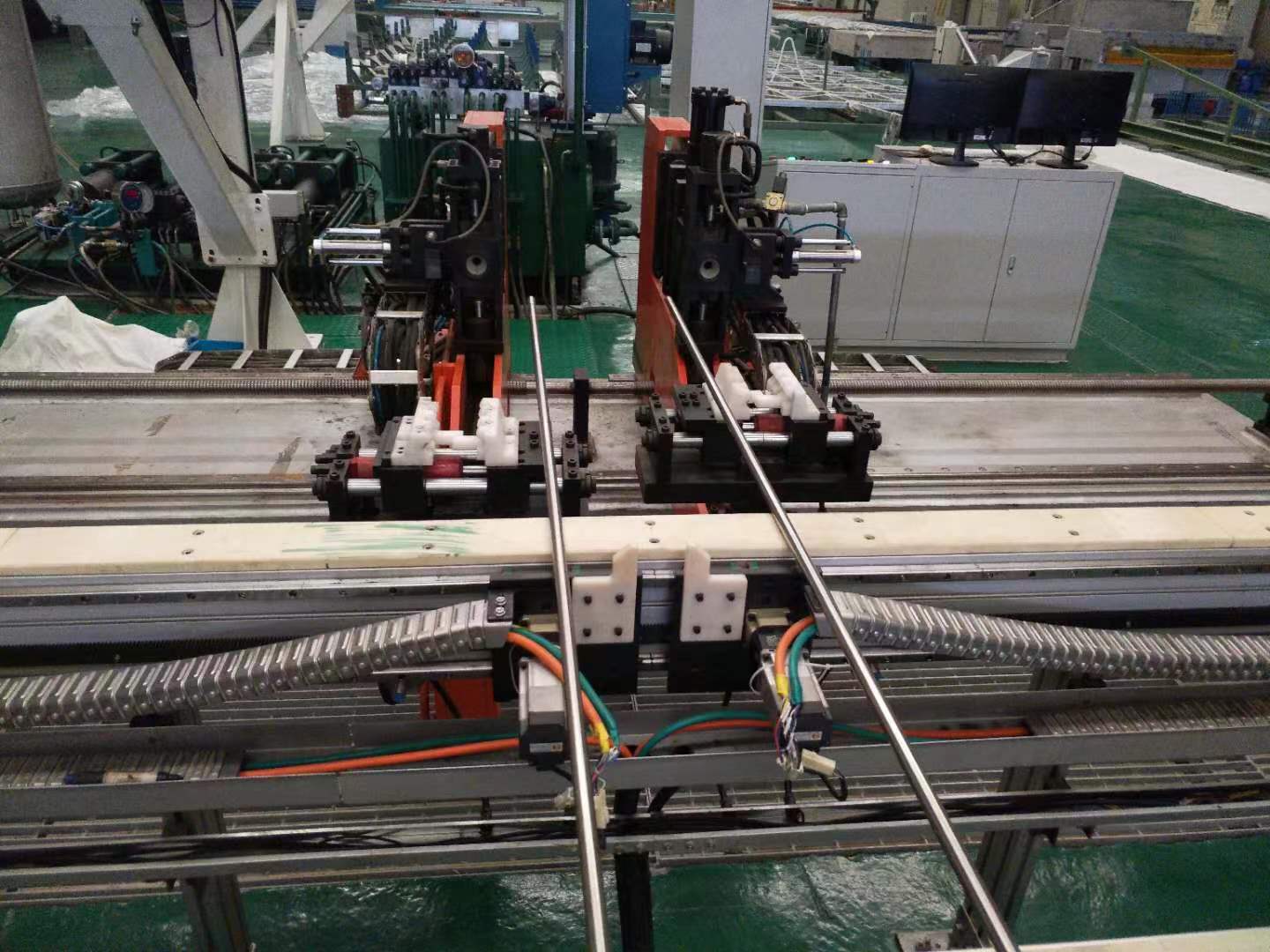
A Hydro Testing Machine for Pipe performs pressure tests according to international manufacturing standards such as API, ASTM, ISO, EN, or customer-specific requirements. The machine automatically seals both ends of the pipe, fills the pipe with water, increases pressure to a predetermined value, maintains the pressure for a specified period, and monitors for pressure loss or leakage.
The objective is straightforward: ensure every pipe leaving the production line is structurally sound and free from defects that could lead to failure during service.
Modern hydro testing systems are highly automated and typically include:
- Automatic pipe loading and positioning
- Hydraulic end sealing
- Water filling system
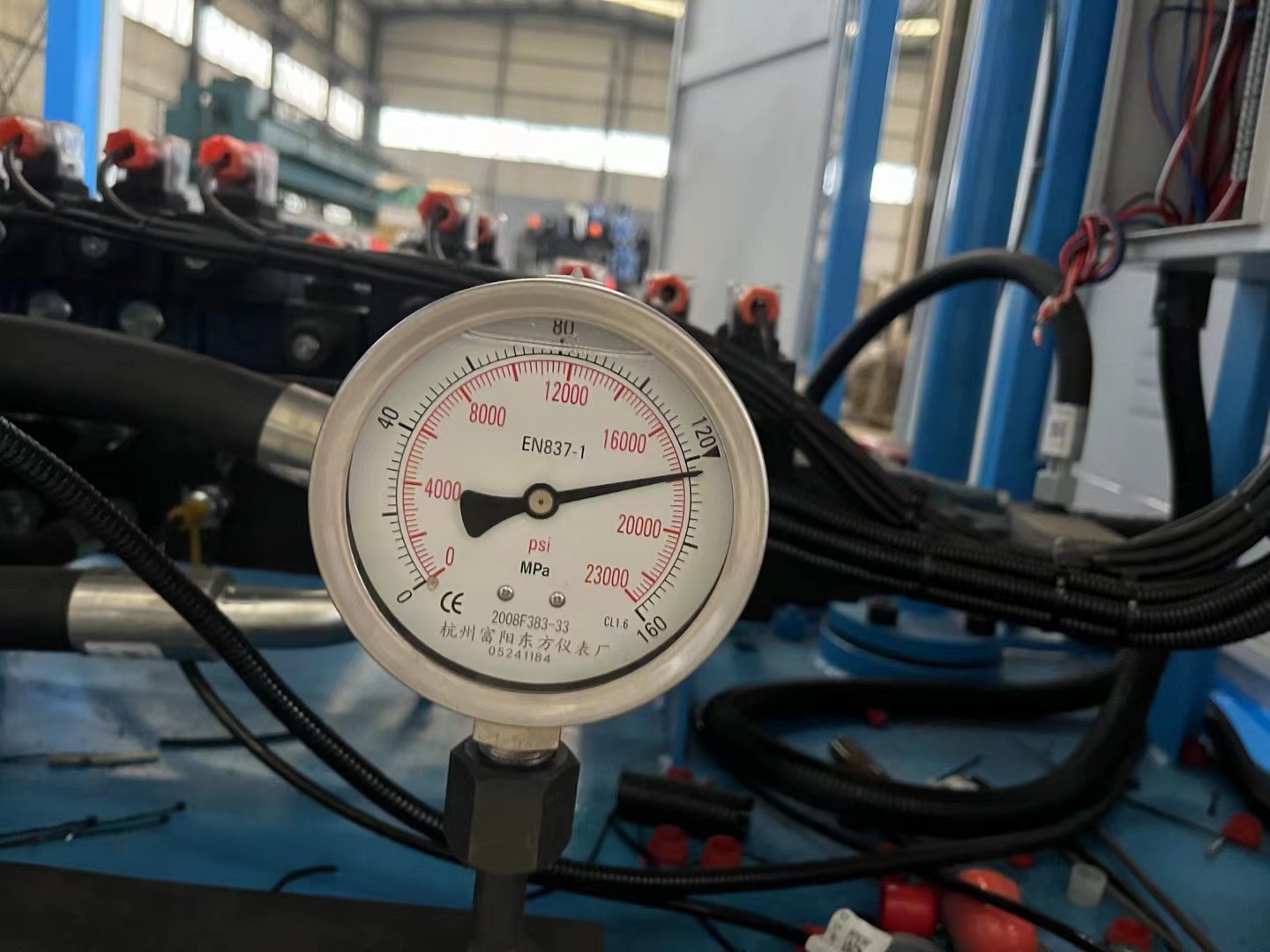
- High-pressure pump
- Pressure control system
- PLC-based automation
- Digital pressure sensors
- Data recording and reporting
- Automatic unloading
Most systems are integrated into continuous steel pipe production lines, allowing manufacturers to perform fast, repeatable quality inspections with minimal manual intervention.
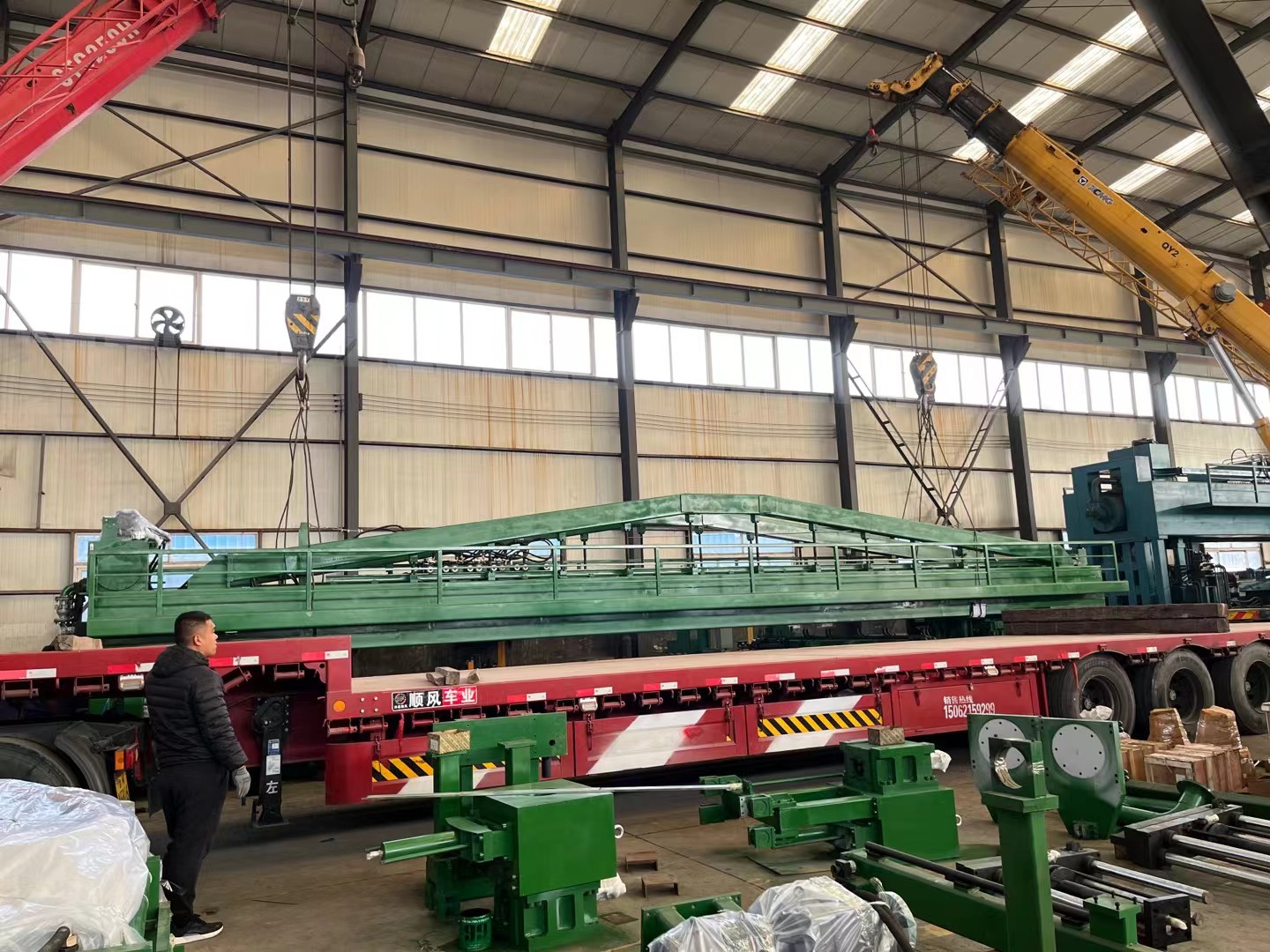
How Does Hydrostatic Testing Work?
Although machine designs vary by manufacturer, the testing sequence generally follows the same process.
|
Testing Stage |
Purpose |
|
Pipe Loading |
Transfers the pipe into the testing station |
|
Pipe Positioning |
Aligns the pipe with the sealing heads |
|
Hydraulic Sealing |
Seals both pipe ends securely |
|
Water Filling |
Removes air and fills the pipe completely with water |
|
Pressure Build-Up |
Increases pressure to the required test value |
|
Pressure Holding |
Maintains pressure for the specified duration |
|
Inspection |
Detects leaks or abnormal pressure loss |
|
Pressure Release |
Safely relieves internal pressure |
|
Data Recording |
Stores test pressure, holding time, and results |
|
Pipe Unloading |
Moves the tested pipe to the next production stage |
Throughout the process, sensors continuously monitor pressure stability. If pressure drops beyond the allowable tolerance, the pipe automatically fails the inspection.
Where Is a Hydro Testing Machine for Pipe Used?
A hydro testing machine for Pipe is widely used wherever pressure-bearing pipes must meet strict safety and quality requirements.
Common applications include:
- Oil and gas pipelines
- Water transmission pipelines
- Natural gas distribution systems
- Petrochemical plants
- Power generation facilities
- Boiler tube manufacturing
- Structural steel pipe production
- OCTG (Oil Country Tubular Goods)
- Line pipe manufacturing
- Industrial piping fabrication
For manufacturers, hydrostatic testing is often the final quality inspection before shipping products to customers.
Why Is Hydrostatic Testing Important?
Pressure failure can result in costly downtime, environmental damage, or serious safety incidents. Hydrostatic testing helps identify manufacturing defects before pipes enter service.
Typical defects detected include:
- Weld leakage
- Pinholes
- Material cracks
- Incomplete welding
- Manufacturing defects
- Seal failures
- Surface imperfections affecting pressure resistance
Because water stores very little compressive energy compared with compressed air, Hydrostatic testing is generally considered one of the safest methods for pressure testing steel pipes.
Key Components of a Hydro Testing Machine
Modern testing equipment consists of several integrated systems working together.
|
Component |
Function |
|
Pipe Conveying System |
Automatically transports pipes into and out of the machine |
|
Hydraulic Sealing Unit |
Creates a leak-proof seal on both pipe ends |
|
High-Pressure Water System |
Generates the required testing pressure |
|
Pressure Control System |
Controls pressure increase and holding time |
|
PLC Control System |
Automates the complete testing sequence |
|
Pressure Sensors |
Measure pressure with high accuracy |
|
Data Management System |
Stores testing records for quality traceability |
Many advanced machines also support barcode scanning, MES integration, remote diagnostics, and automatic report generation.
Important Considerations When Selecting a Hydro Testing Machine for Pipe
Choosing the right equipment depends on both production requirements and technical specifications.
Consider the following factors:
- Pipe diameter range
- Pipe length range
- Maximum testing pressure
- Production capacity
- Applicable pipe materials
- Testing standards required
- Automation level
- Data recording capability
- Maintenance requirements
- Future production expansion
For high-volume manufacturers, automated systems with PLC control and digital data management can significantly improve efficiency while reducing labor costs.
Best Practices for Accurate Steel Pipe Testing
To achieve reliable testing results, manufacturers should follow several best practices:
- Calibrate pressure sensors regularly.
- Verify sealing components before each production shift.
- Remove all air from the pipe before pressurization.
- Follow the specified pressure holding time.
- Maintain clean water to protect pumps and valves.
- Record all testing data for traceability.
- Perform preventive maintenance on hydraulic systems.
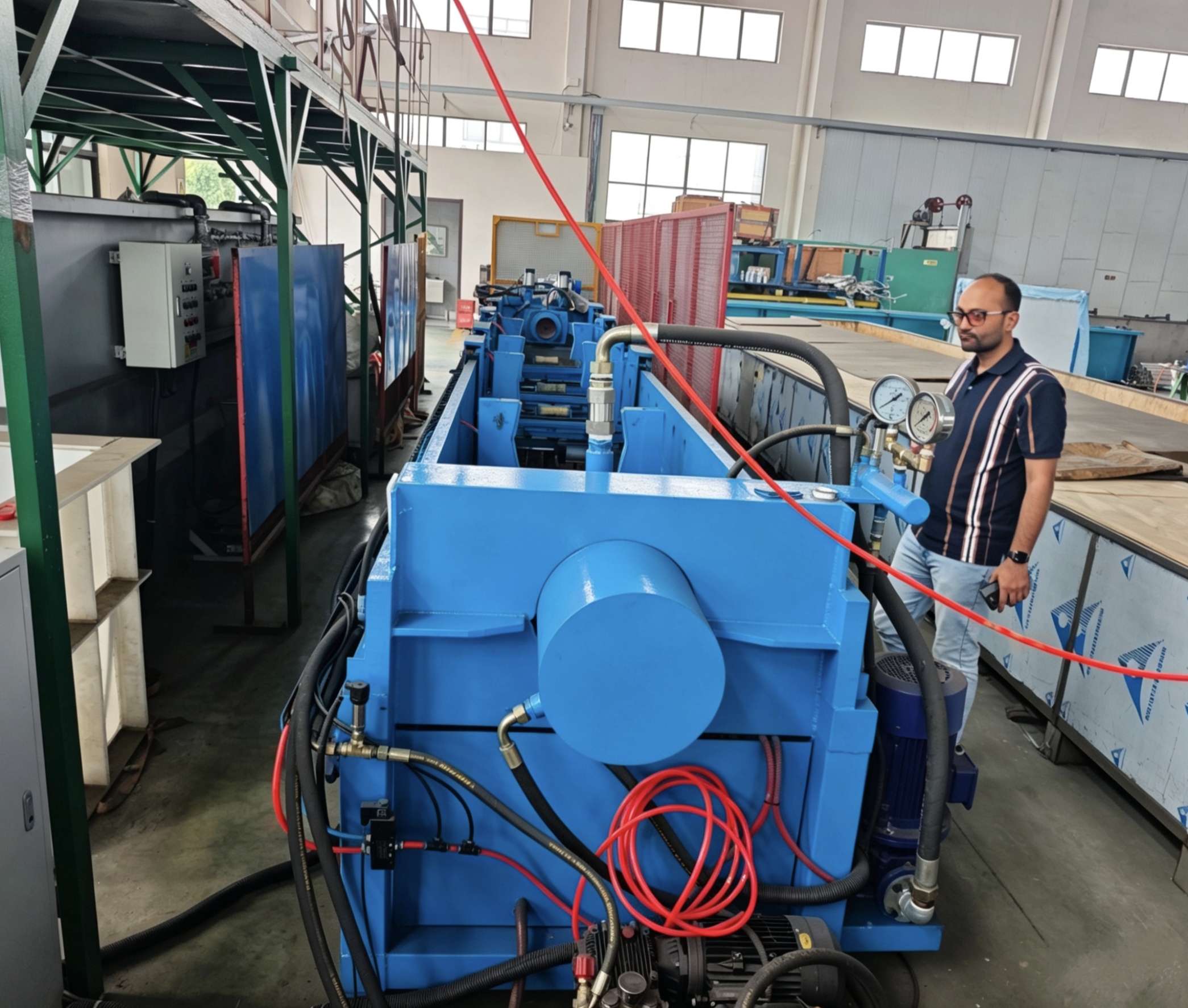
Consistent maintenance not only improves testing accuracy but also extends equipment service life.
A Hydro Testing Machine for Pipe is an essential quality assurance system used to verify the structural integrity and pressure resistance of steel pipes. Through Hydrostatic Testing, manufacturers can identify leaks, weld defects, and pressure-related failures before products are installed in critical infrastructure.
As quality standards continue to become more demanding across industries, automated Steel Pipe Testing systems provide manufacturers with higher testing accuracy, improved production efficiency, complete data traceability, and greater confidence that every pipe meets customer and international specification requirements.


