 HOME
HOMEpipe hydro testing machine
hydro testing machine
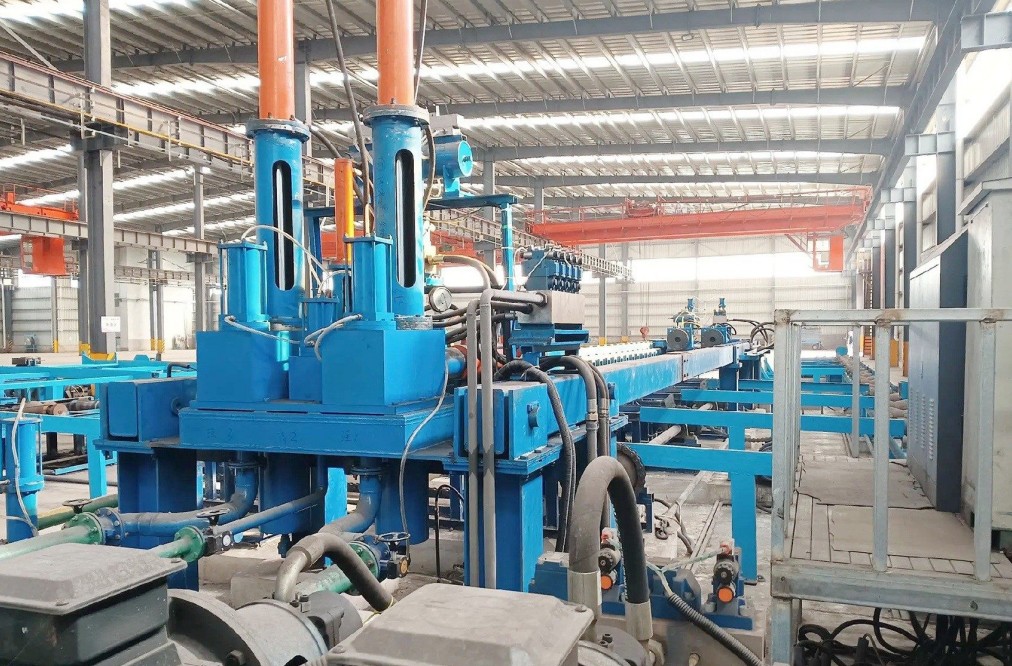
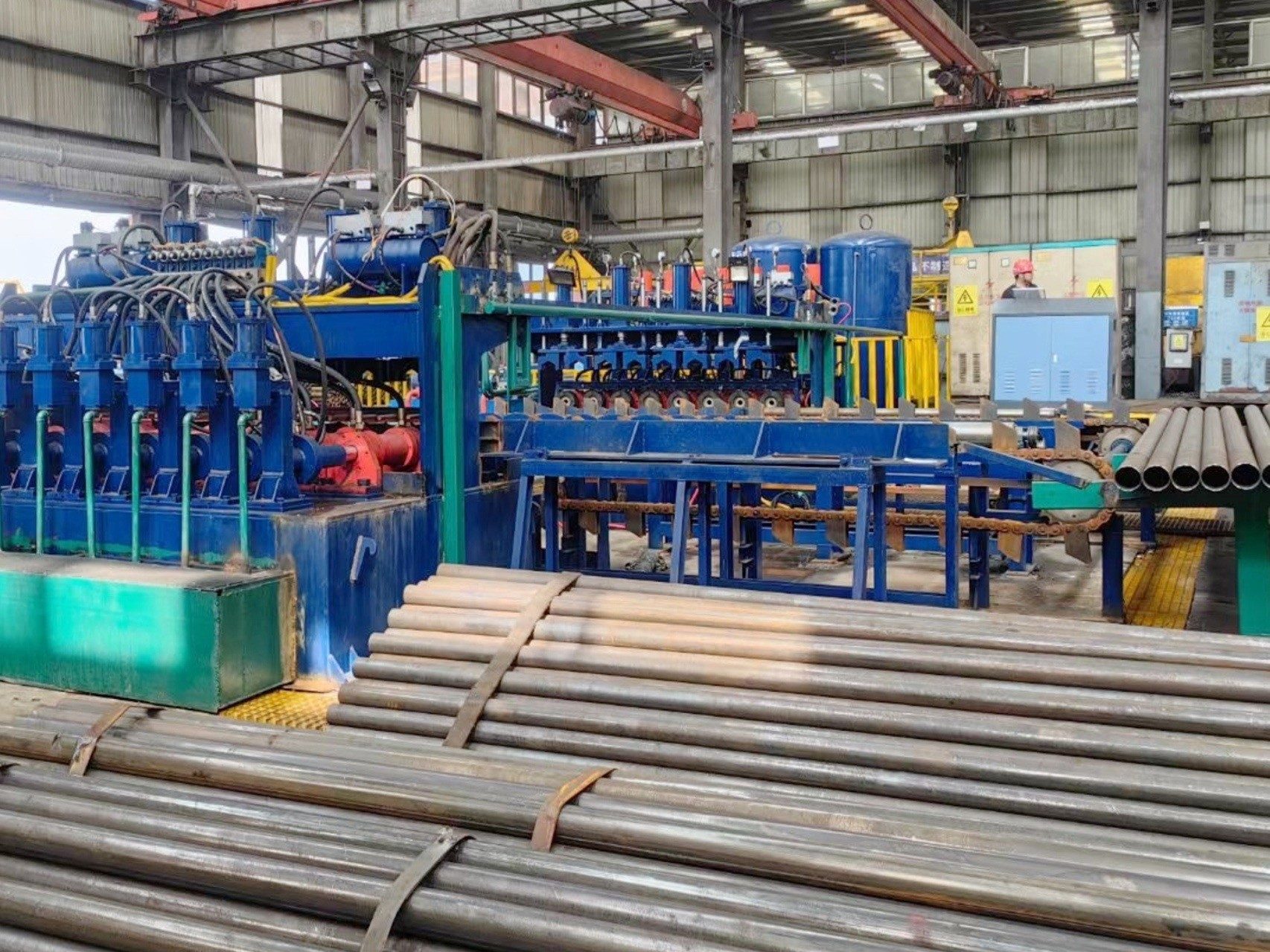
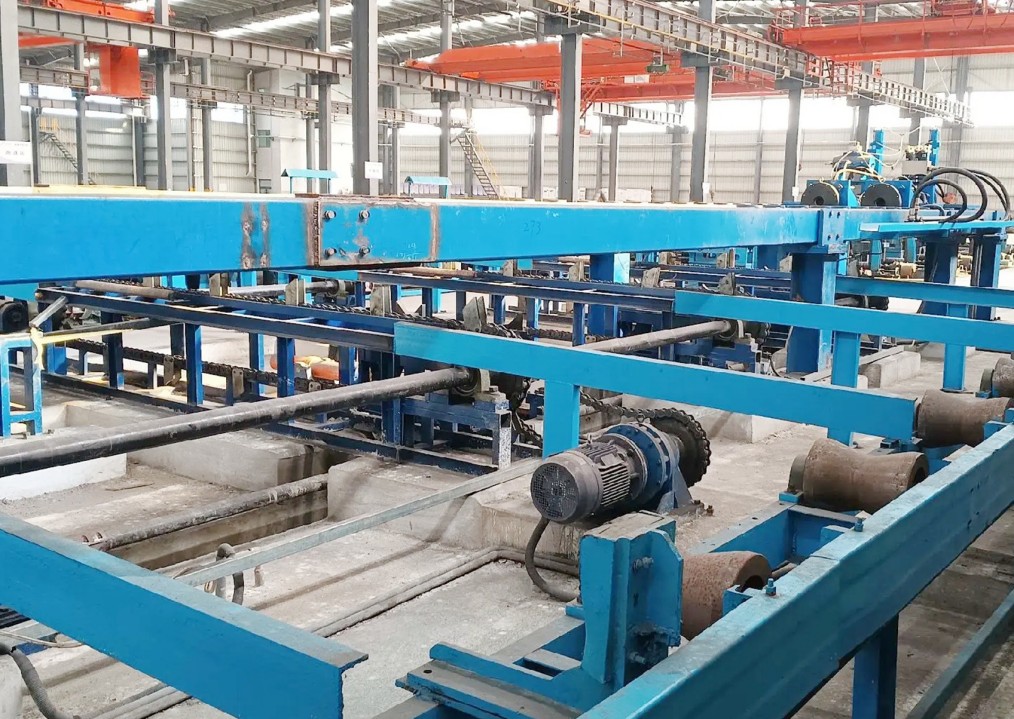
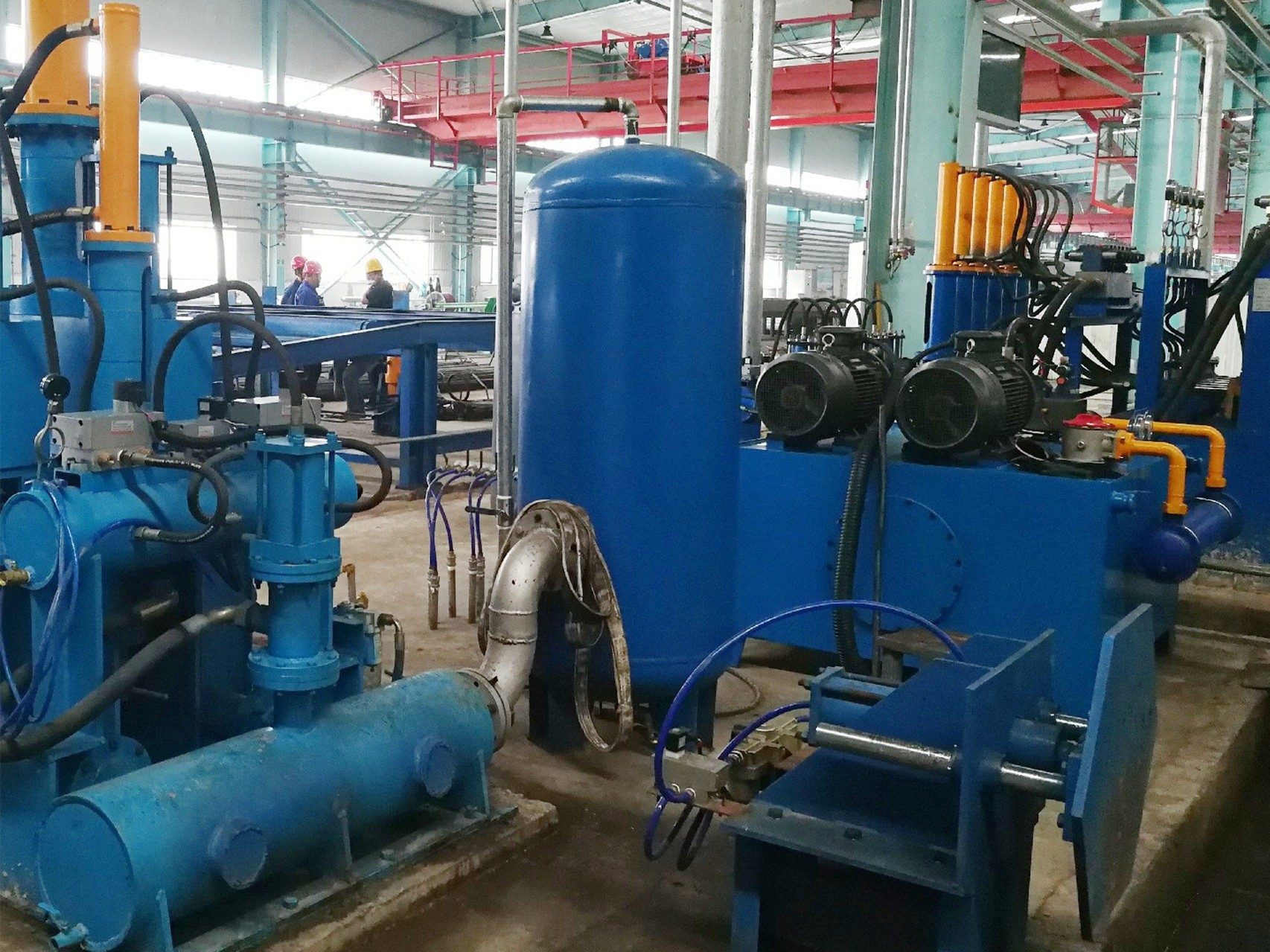
Reliable hydrostatic testing depends on more than high pressure. Every stage of the testing cycle must be completed in the correct sequence with stable pressure control and accurate data collection.
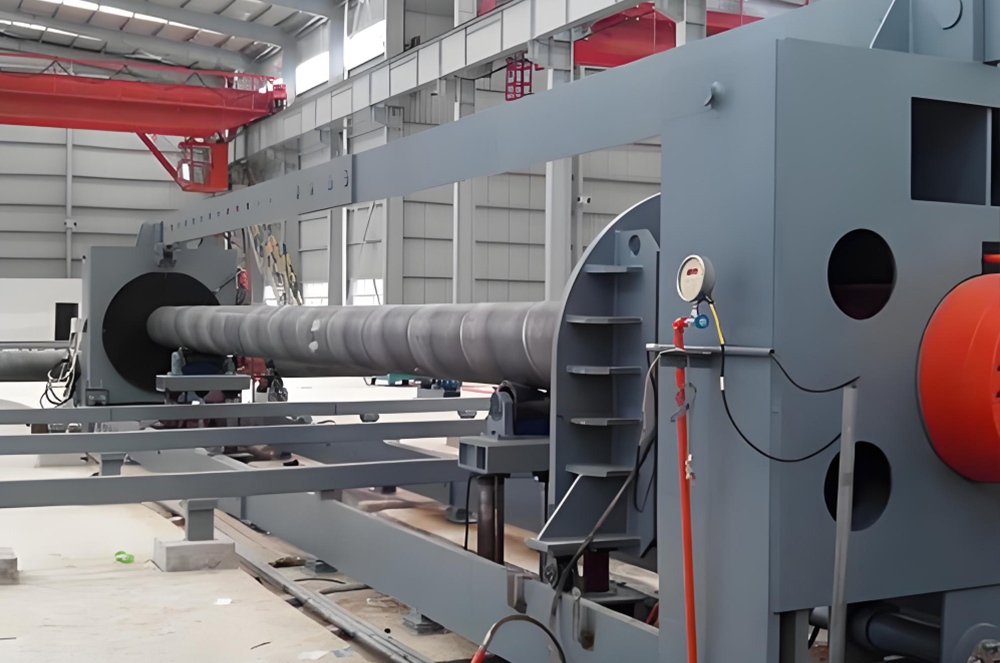
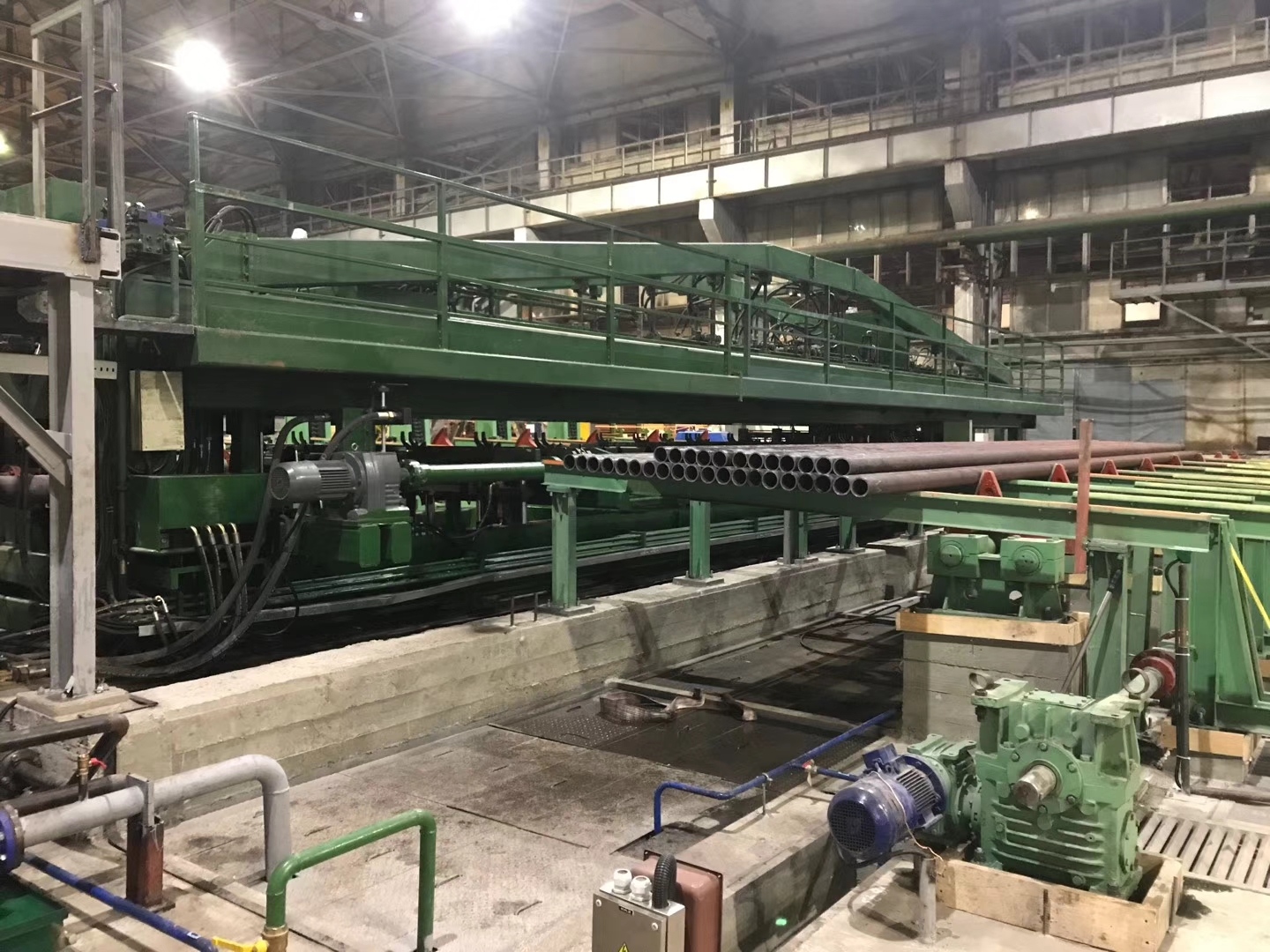
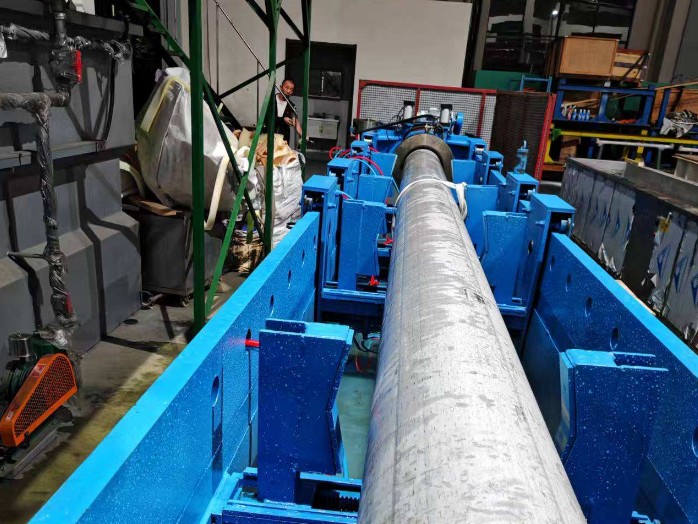
The Marley pipe hydro testing machine combines hydraulic control, water pressure control, Siemens PLC automation, and intelligent monitoring into one integrated system. From pipe loading to unloading, the entire hydrostatic testing process is completed automatically, helping manufacturers improve testing consistency, production efficiency, and product traceability.
System Configuration
The is built around four core systems that work together throughout every testing cycle.
|
System |
Function |
|
Pipe Handling System |
Transfers steel pipes into and out of the testing station automatically. |
|
Water Pressure System |
Fills the pipe with water and generates the required hydrostatic testing pressure. |
|
Hydraulic System |
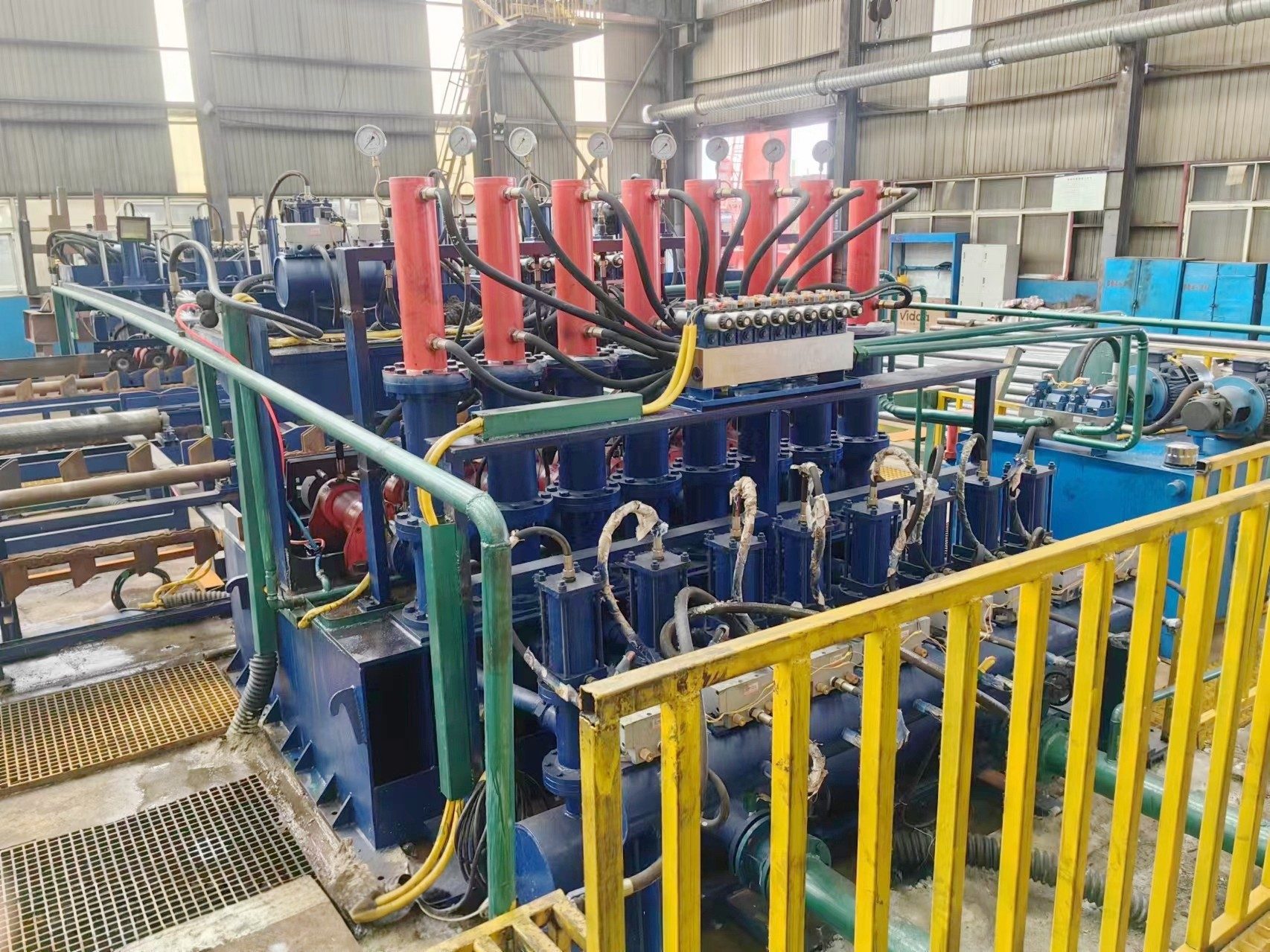
Controls cylinder movement, end-face sealing, and oil-water pressure balancing. |
|
PLC Control System |
Coordinates machine operation, monitors testing data, and controls the complete testing sequence. |
Each system communicates continuously during production to maintain stable pressure, reliable sealing performance, and repeatable testing results.
Oil-Water Pressure Balancing Technology
One of the key technologies of the Marley pipe hydro testing machine is its oil-water pressure balancing system.
During testing, hydraulic cylinders position and seal both ends of the pipe before water is introduced into the test section. After the air inside the pipe has been discharged, a high-pressure plunger pump gradually increases the internal pressure until the preset testing value is reached.
Hydraulic pressure and water pressure remain balanced throughout the pressure holding stage, helping maintain sealing stability and testing accuracy even during high-pressure operation.
This design reduces pressure fluctuation, minimizes leakage, and supports continuous production with consistent testing performance.
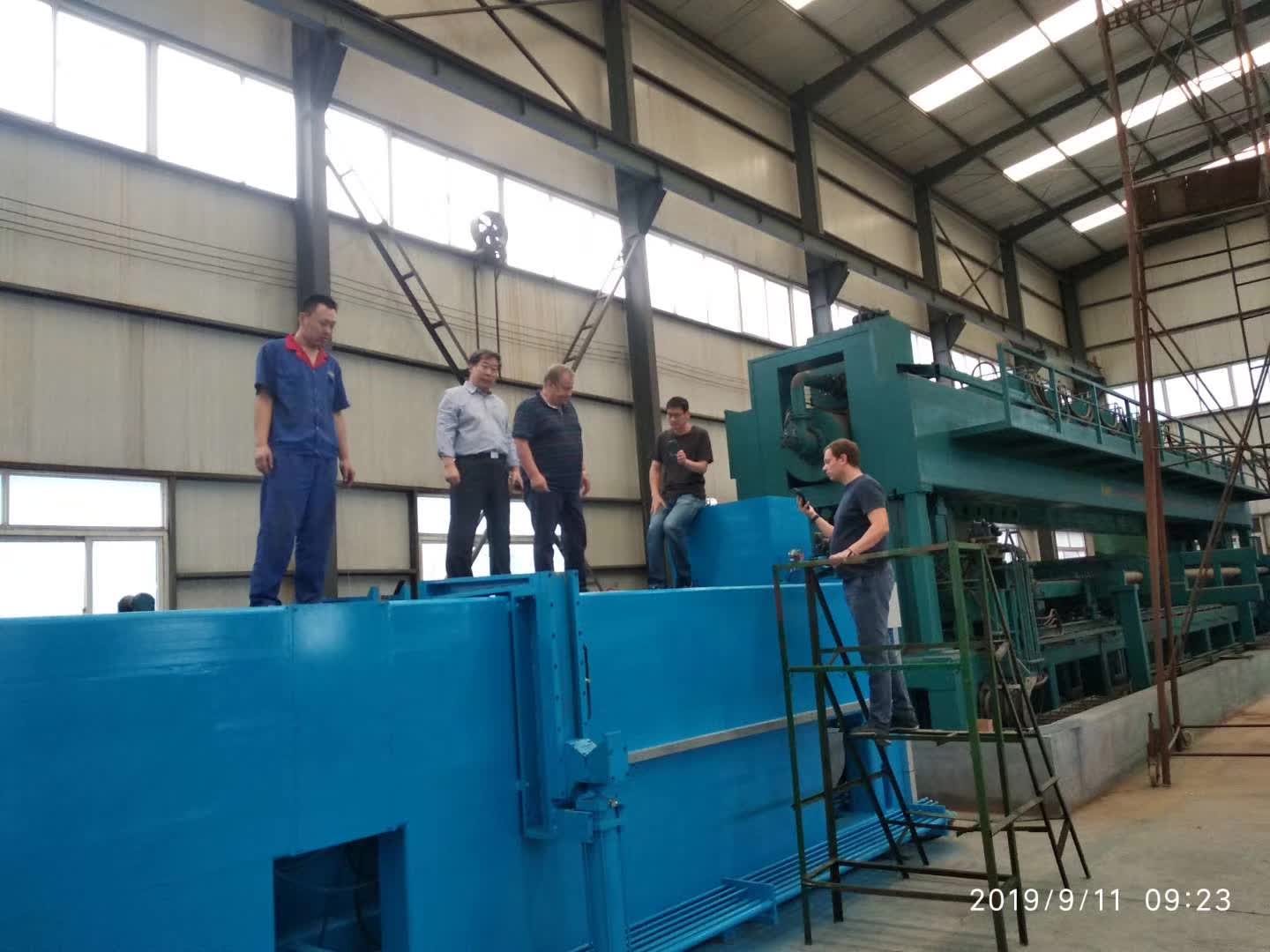
Siemens PLC Automatic Control
The complete testing sequence is controlled by a Siemens S7-200 PLC, eliminating the need for manual coordination between different machine components.
Pressure signals collected from field sensors are processed in real time, allowing the PLC to automatically control hydraulic cylinders, proportional valves, solenoid valves, pumps, and other actuators.
Every operation—from pipe positioning and water filling to pressure holding and pressure release—is executed according to the programmed testing sequence, ensuring stable operation and repeatable results.
Human-Machine Interface (HMI)
Daily operation is managed through an intuitive Human-Machine Interface (HMI).
Operators can complete routine production tasks directly from the control screen, including:
- Selecting testing programs
- Setting test pressure and holding time
- Monitoring machine status in real time
- Viewing pressure curves
- Printing test reports
- Accessing historical testing records
- Managing alarm information
Role-based access permissions allow engineers and operators to use different system functions while protecting critical machine settings.
Intelligent Monitoring System
Pressure monitoring is continuous throughout every testing cycle.
Water pressure sensors and hydraulic pressure sensors transmit real-time operating data to the PLC, allowing the control system to monitor pressure changes, detect abnormal conditions, and automatically adjust machine operation when required.
Every completed pressure test is recorded automatically, providing reliable production records for quality control, customer documentation, and future traceability.
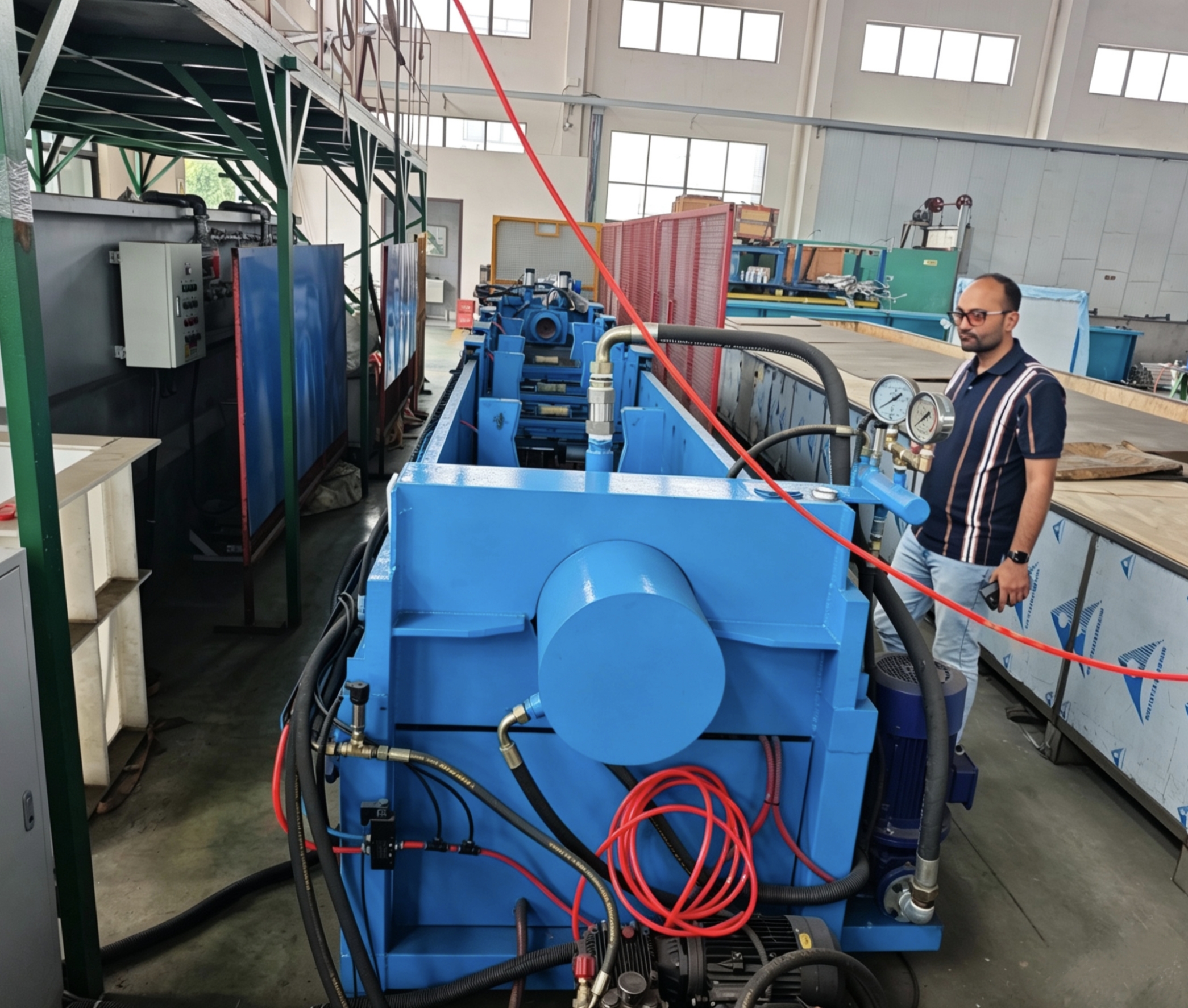
Software Platform
The integrated software platform combines machine operation, production monitoring, and testing data management into one system.
Its main functions include:
|
Software Function |
Description |
|
PLC Control |
Automatic control of the complete testing process |
|
Real-Time Monitoring |
Live machine status and pressure monitoring |
|
Test Data Recording |
Automatic storage of pressure testing results |
|
Historical Data Management |
Quick retrieval of previous production records |
|
Report Generation |
Automatic printing and export of testing reports |
|
Alarm & Diagnostics |
Fault detection and system diagnostics |
|
User Permission Management |
Different access levels for engineers and operators |
The software platform supports long-term production management while improving quality traceability across the entire testing process.
System Architecture
The control architecture integrates industrial hardware and intelligent software into a unified testing platform.
|
Component |
Function |
|
Industrial Computer |
Stores production data and testing records |
|
Siemens S7-200 PLC |
Executes the automatic testing sequence |
|
Human-Machine Interface |
Operator control and machine monitoring |
|
Pressure Sensors |
Monitor hydraulic and water pressure in real time |
|
Hydraulic Valves & Cylinders |
Execute sealing, clamping, and machine movements |
|
High-Pressure Pump |
Generates the required hydrostatic testing pressure |
Together, these components ensure stable machine operation, accurate pressure control, and reliable hydrostatic testing performance for continuous steel pipe production.
Related Products