


 HOME
HOMEPipe Pressure Testing Equipment That Supports Large-Diameter Pipe Inspection
24 March 2026
In industries such as oil & gas pipelines, water transmission networks, and large infrastructure projects, large-diameter steel pipes are widely used. These pipes must withstand significant internal pressure and harsh operating environments. Before they are delivered to project sites, every pipe must pass strict pressure testing.
This is where Pipe Pressure Testing Equipment designed for large-diameter pipe inspection becomes essential. Unlike standard testing systems used for small pipes, large-diameter inspection requires stronger structures, higher hydraulic force, and more advanced sealing systems.
For pipe manufacturers and pipeline contractors, reliable Pipe Pressure Testing Equipment ensures that large pipes meet safety standards, maintain structural integrity, and operate reliably over decades.
Why Large-Diameter Pipes Require Specialized Testing Equipment
Large-diameter pipes are used in long-distance pipeline systems that transport oil, natural gas, water, or industrial fluids. Because these pipes carry larger volumes of fluid and operate under high pressure, any defect can lead to severe consequences.
Even small defects—such as micro-cracks, weld imperfections, or uneven wall thickness—can cause leaks or structural failures when pipes are under pressure. Hydrostatic testing subjects the pipe to controlled internal pressure, revealing hidden defects before the pipe is installed.
For this reason, pipe mills producing large pipes depend on specialized Pipe Pressure Testing Equipment capable of handling extreme pipe dimensions and loads.
Typical Size Range for Large-Diameter Pipe Inspection
Modern hydrostatic testing machines designed for large pipelines can handle very large pipe diameters.
For example, some industrial systems support pipe diameters from 609.6 mm up to 1524 mm, while larger machines can inspect pipes exceeding 2400 mm in diameter.
Here is a simplified overview:
| Pipe Category | Diameter Range | Typical Application |
|---|---|---|
| Medium pipes | 219 – 820 mm | construction, industrial piping |
| Large pipes | 820 – 1420 mm | oil & gas pipelines |
| Ultra-large pipes | 1420 – 2400+ mm | major water or energy infrastructure |
Because of the large pipe size and heavy weight, Pipe Pressure Testing Equipment must be specially designed with reinforced frames and powerful hydraulic systems.
Key Features of Pipe Pressure Testing Equipment for Large Pipes
Large-diameter inspection equipment includes several critical features that ensure reliable pressure testing.
1. Heavy-Duty Hydraulic Structure
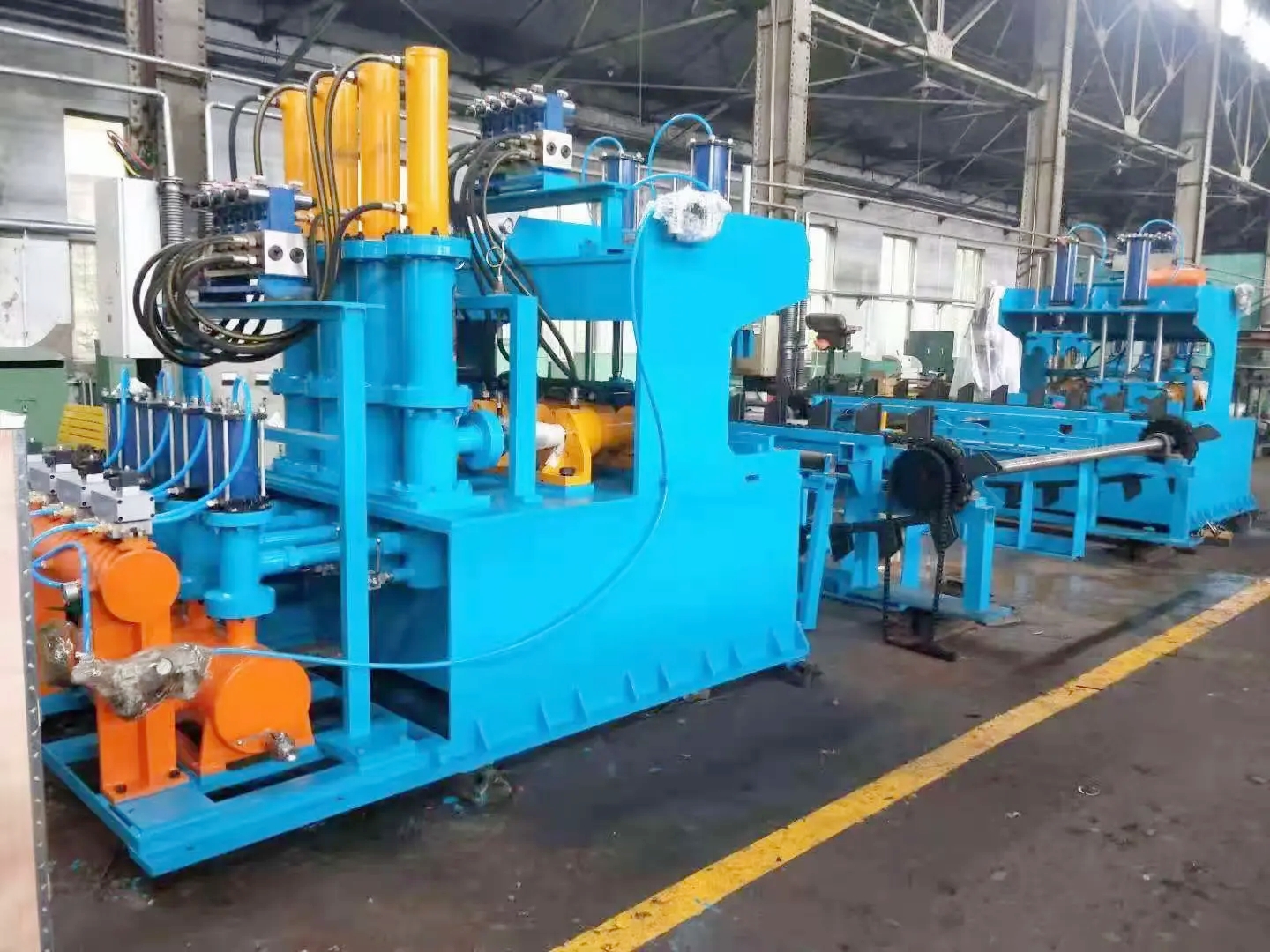
Testing large pipes requires enormous clamping force to maintain proper sealing during pressurization. Many machines use multi-beam structures and high-capacity hydraulic cylinders to handle the load.
Some large-diameter hydrostatic testing machines can generate thrust forces exceeding 2000 tons, ensuring the pipe remains stable during testing.
This robust structure is a defining characteristic of industrial Pipe Pressure Testing Equipment.
2. Wide Diameter Compatibility
Modern pipe mills often produce pipes of different sizes. Advanced Pipe Pressure Testing Equipment is therefore designed to support a wide diameter range.
Typical specifications include:
-
Pipe diameter: 20 mm – 1420 mm or larger
-
Pipe length: 4 – 12 meters
-
Test pressure: 5 – 25 MPa
These ranges allow a single testing machine to serve multiple production lines and pipe specifications.
3. Advanced Sealing Systems
Large pipes create greater sealing challenges because of their large contact surface and high pressure loads.
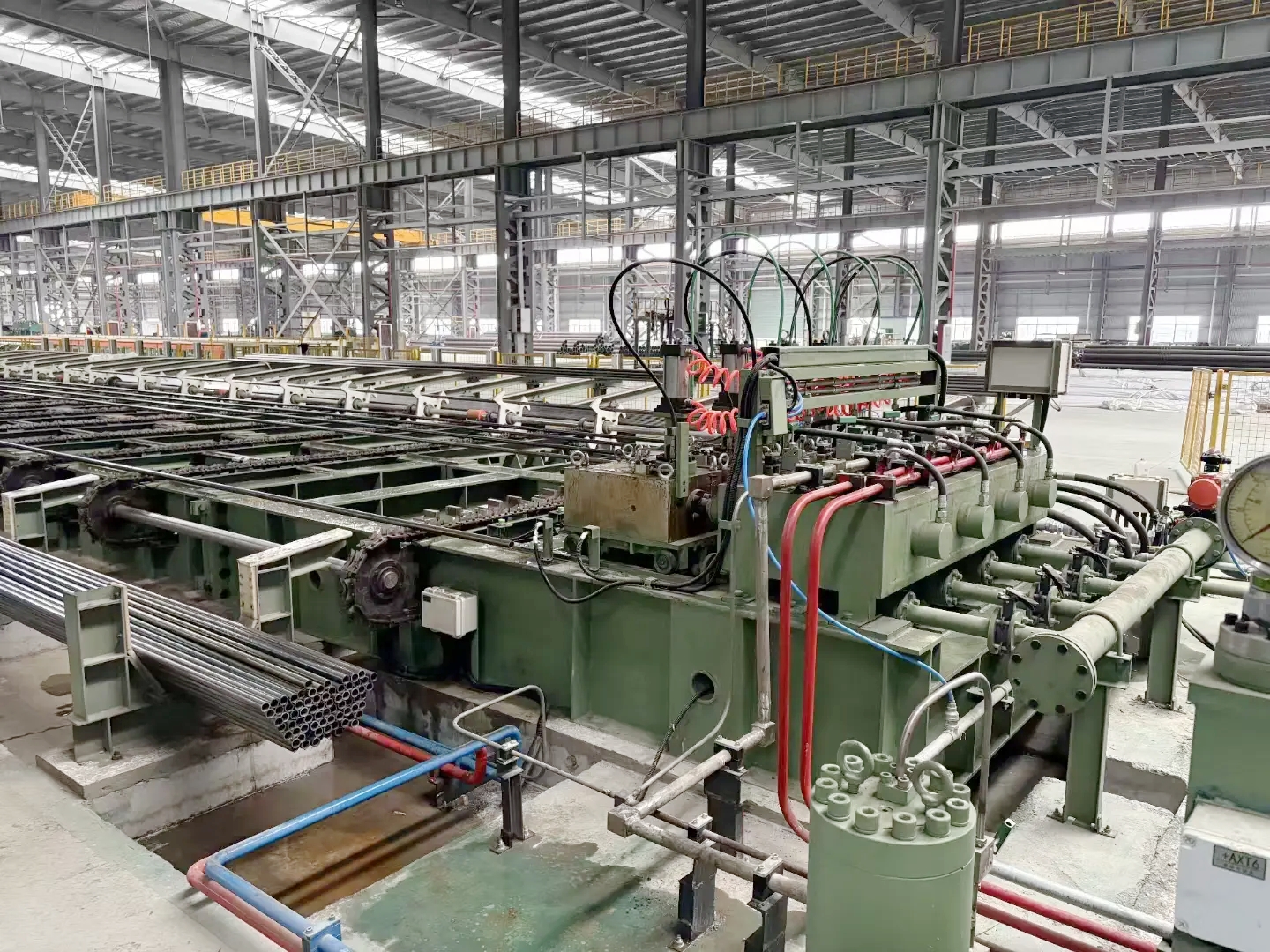
Industrial Pipe Pressure Testing Equipment typically uses:
-
end-face sealing systems
-
radial sealing heads
-
high-strength sealing rings
These technologies help maintain stable pressure during testing and prevent leakage at the pipe ends.
4. Automated Control and Monitoring
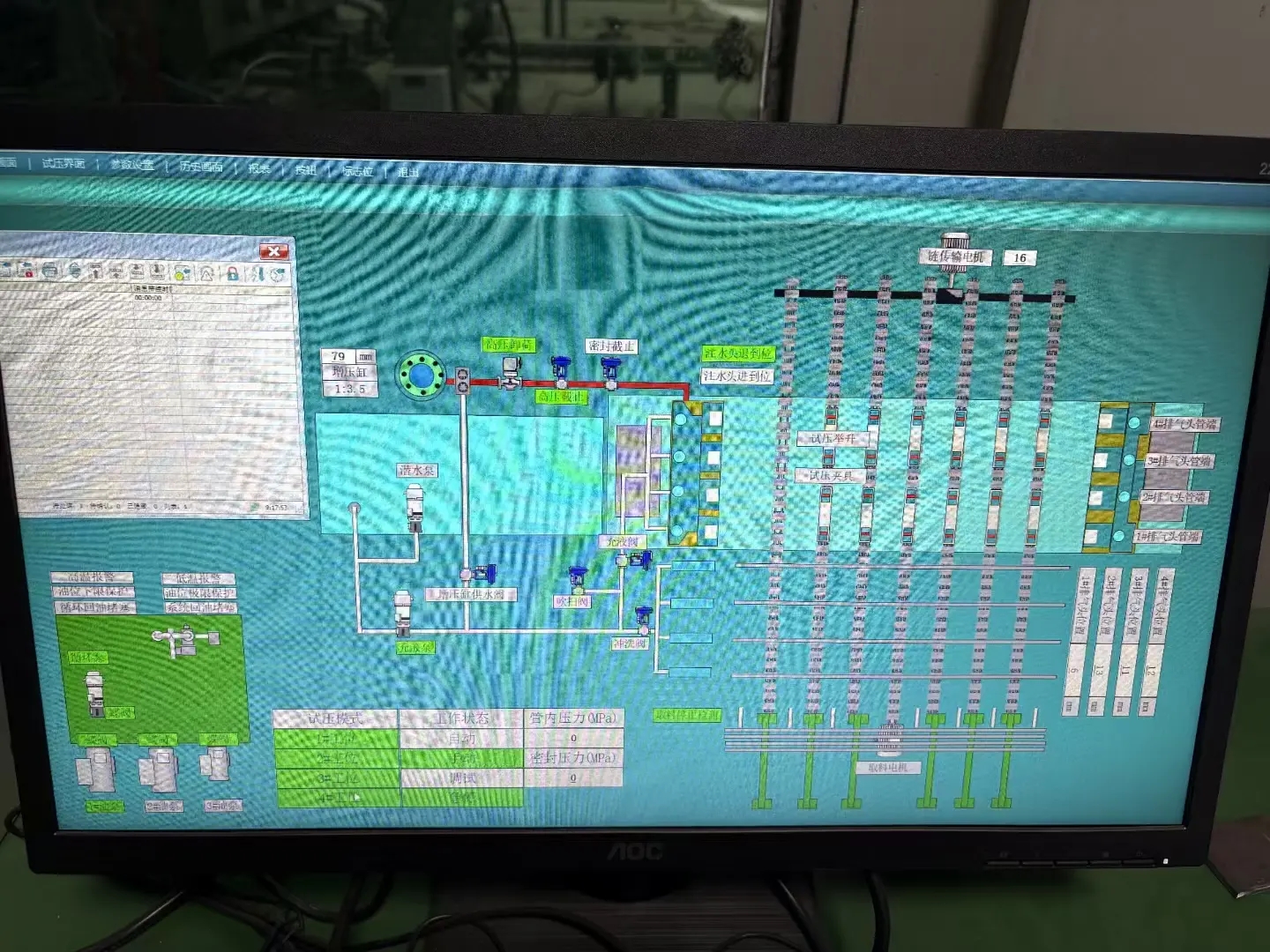
Automation is another key feature in modern Pipe Pressure Testing Equipment.
PLC-based control systems allow operators to manage the entire testing cycle automatically, including:
-
water filling
-
air removal
-
pressure buildup
-
pressure holding
-
pressure release
The system can also record pressure curves and testing data, providing traceable documentation for quality control.
Testing Process for Large-Diameter Pipes
The hydrostatic testing process for large pipes typically follows several steps:
-
The pipe is positioned on support rollers
-
Sealing heads are pressed against the pipe ends
-
Water fills the pipe and removes trapped air
-
Hydraulic pumps increase internal pressure
-
The machine holds pressure for a specified duration
-
Sensors monitor for leaks or pressure drops
-
Pressure is released and water is drained
This process allows Pipe Pressure Testing Equipment to detect structural weaknesses and verify that the pipe meets engineering standards.
Comparison: Standard vs Large-Diameter Pipe Pressure Testing Equipment
| Feature | Standard Equipment | Large-Diameter Equipment |
|---|---|---|
| Pipe diameter capacity | Up to ~600 mm | Up to 2400 mm or more |
| Hydraulic force | Moderate | Extremely high |
| Structural frame | Standard steel frame | Reinforced heavy structure |
| Testing applications | Industrial pipes | Oil & gas pipelines |
| Automation level | Basic to moderate | Advanced PLC systems |
Because large pipes are used in critical infrastructure, manufacturers typically invest in advanced Pipe Pressure Testing Equipment that can guarantee reliable results.
Benefits for Pipe Manufacturers
Using specialized Pipe Pressure Testing Equipment for large-diameter pipes provides several advantages:
1. Improved Safety
Testing pipes under controlled pressure conditions ensures they can safely withstand real operating conditions.
2. Higher Product Quality
Hydrostatic testing identifies hidden defects before the pipes leave the factory.
3. Compliance With Industry Standards
Pipeline projects often require compliance with international standards such as API and ISO.
4. Increased Customer Confidence
Providing certified testing results helps pipe manufacturers build trust with project contractors and international buyers.
As pipeline infrastructure continues to expand worldwide, the demand for large-diameter steel pipes is growing rapidly. Ensuring the safety and reliability of these pipes requires specialized testing systems capable of handling extreme pipe sizes and pressures.
Modern Pipe Pressure Testing Equipment designed for large-diameter pipe inspection provides the necessary strength, accuracy, and automation required in today’s pipe manufacturing industry.


