


 HOME
HOMEPipe Pressure Testing Equipment for Oil and Gas Pipeline Manufacturing
23 March 2026
In the oil and gas industry, pipeline safety is not negotiable. Every pipe that carries crude oil, natural gas, or chemical fluids must meet strict pressure and structural standards before it can be installed in the field. That’s why Pipe Pressure Testing Equipment plays a central role in modern pipeline manufacturing.
From steel pipe mills to large pipeline projects, pressure testing is the final checkpoint that confirms whether a pipe can safely handle real operating conditions. Without reliable Pipe Pressure Testing Equipment, even small defects in welds or pipe walls could lead to leaks, environmental damage, or expensive system failures.
This article explores how Pipe Pressure Testing Equipment is used in oil and gas pipeline manufacturing, why it matters, and what features make it essential for modern production lines.
Why Pressure Testing Is Critical in Oil & Gas Pipelines
Oil and gas pipelines transport highly pressurized fluids over long distances. If a pipe fails in service, the consequences can include environmental contamination, financial loss, and serious safety hazards.
Hydrostatic pressure testing is the most widely used method for verifying pipeline strength. During the test, a pipe is filled with water and pressurized above its normal operating level to ensure it can withstand the stress without leaking or deforming.
Industry standards such as API and ASME often require pipelines to be tested at pressures higher than their normal working pressure before they are approved for service.
This is exactly where Pipe Pressure Testing Equipment becomes indispensable.
How Pipe Pressure Testing Equipment Works
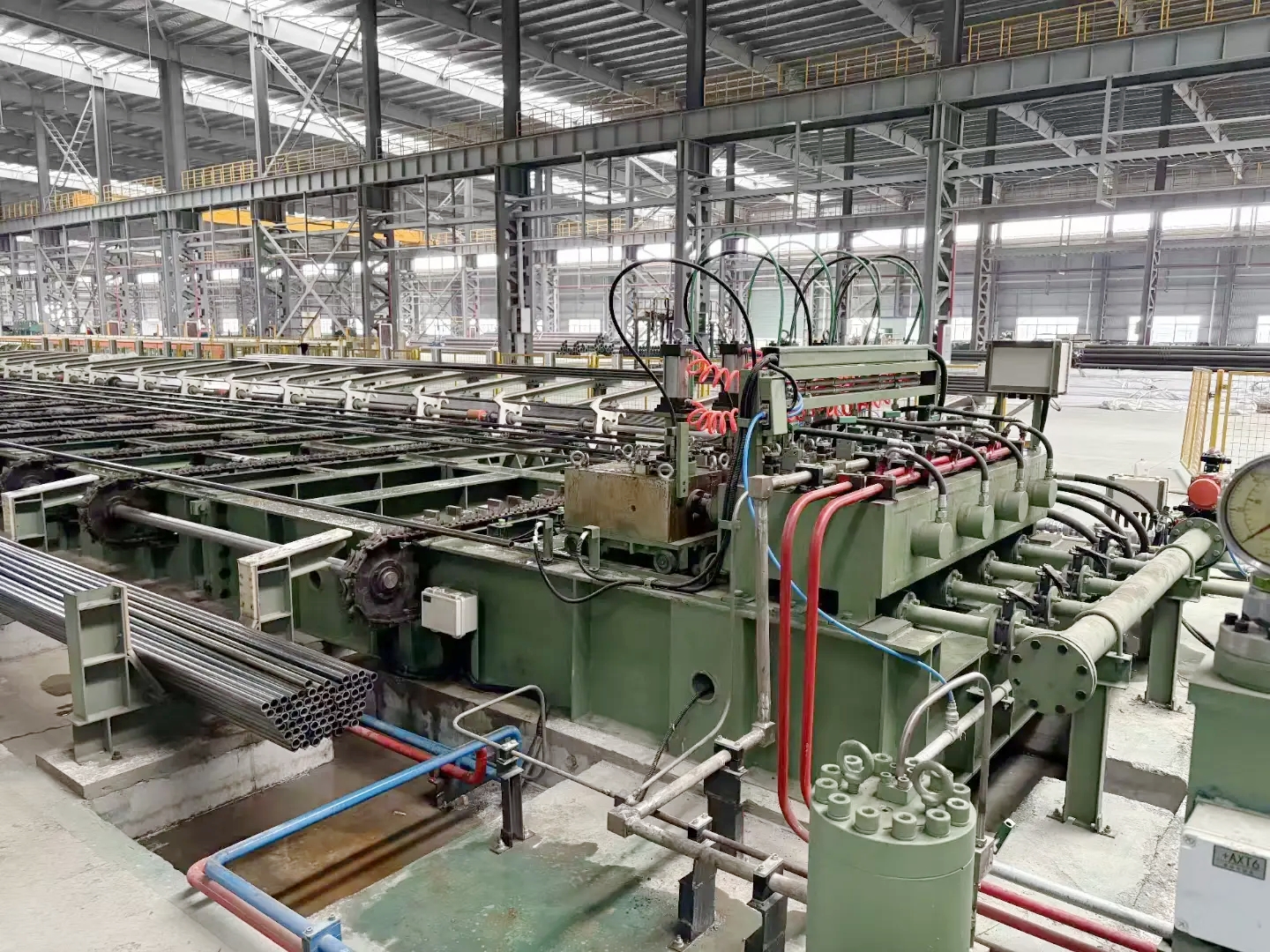
Modern Pipe Pressure Testing Equipment performs hydrostatic pressure tests in a controlled and automated way.
The typical testing process includes several steps:
-
The pipe is sealed at both ends using specialized fixtures.
-
The pipe is filled with water to eliminate trapped air.
-
Hydraulic pumps gradually increase internal pressure.
-
The system holds the pressure for a specified time.
-
Sensors monitor pressure stability and detect leaks.
If the pipe passes the test without leakage or deformation, it can proceed to shipping or installation.
Hydrostatic testers are designed to identify hidden defects such as micro-cracks, weld flaws, and material weaknesses that might not appear during visual inspections.
Key Applications in Oil and Gas Pipeline Manufacturing
In oil and gas pipe mills, Pipe Pressure Testing Equipment is used at several stages of production.
1. Steel Pipe Manufacturing
Before pipes leave the factory, they must undergo hydrostatic testing to verify weld integrity and structural strength. The test ensures that welded seams and pipe bodies meet international pipeline standards.
2. Casing and Tubing Inspection
In oil well drilling operations, casing pipes protect the wellbore and prevent contamination. These pipes are typically tested using Pipe Pressure Testing Equipment before being delivered to drilling sites.
3. Line Pipe Quality Assurance
Long-distance pipelines used to transport oil and gas require extremely reliable pipes. Hydrostatic testing ensures that every pipe section can withstand high pressure during operation.
4. Pre-Commissioning Pipeline Testing
Before a newly installed pipeline is put into service, engineers often test pipeline segments to verify the entire system is leak-free.
Typical Technical Capabilities
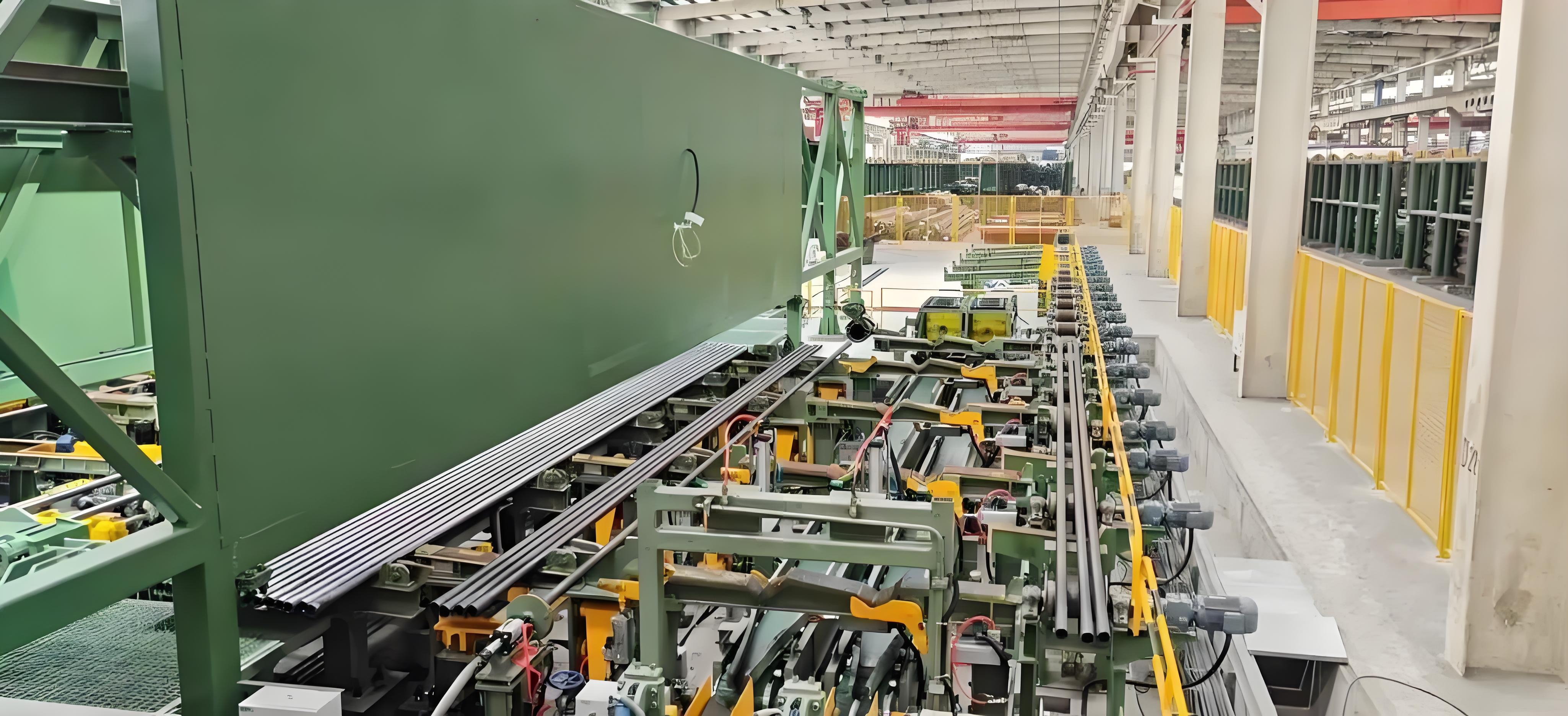
Industrial Pipe Pressure Testing Equipment used in pipeline manufacturing must handle large pipe diameters and high pressures.
For example:
| Parameter | Typical Range |
|---|---|
| Pipe diameter | 20 mm – 1420 mm |
| Test pressure | 5 MPa – 25 MPa or higher |
| Pipe length | Up to 12 m |
| Testing method | Hydrostatic pressure |
Such systems are designed to meet the demanding requirements of oil and gas pipeline production lines.
Benefits of Modern Pipe Pressure Testing Equipment
Compared with manual testing setups, modern Pipe Pressure Testing Equipment offers several advantages.
1. Improved Safety
Hydrostatic testing uses water, which is far less dangerous than compressed air. Because water is nearly incompressible, the stored energy during testing is lower, reducing the risk of violent failure.
2. Reliable Quality Control
By testing pipes at pressures above their operating conditions, manufacturers can detect weak welds or structural defects before the pipe is installed.
3. Compliance With Industry Standards
Many pipeline projects must meet strict standards from organizations such as API, ASTM, and ISO. Pipe Pressure Testing Equipment ensures that pipes meet these requirements.
4. Automated Data Recording
Modern systems automatically record pressure curves and testing results, creating traceable documentation for quality certification and inspections.
Traditional vs Modern Pipe Pressure Testing Equipment
| Feature | Traditional Testing | Modern Pipe Pressure Testing Equipment |
|---|---|---|
| Pressure control | Manual gauges | Digital pressure sensors |
| Testing speed | Slow manual process | Automated multi-pipe testing |
| Data recording | Manual logs | Digital reports |
| Safety features | Basic protection | Automatic safety systems |
| Production efficiency | Low | High |
With modern Pipe Pressure Testing Equipment, pipe manufacturers can test large volumes of pipes quickly while maintaining strict quality standards.
Why Oil and Gas Companies Depend on Pressure Testing
Pipeline infrastructure often operates for decades and runs through cities, oceans, and remote regions. Once installed, repairing defects becomes extremely expensive.
That’s why oil and gas companies rely heavily on Pipe Pressure Testing Equipment during pipeline manufacturing. Detecting problems early helps prevent leaks, pipeline ruptures, and costly operational downtime.
In simple terms, reliable pressure testing protects not only pipeline infrastructure but also people, the environment, and long-term energy supply systems.
In oil and gas pipeline manufacturing, quality assurance is a serious responsibility. Every pipe must withstand high pressure, harsh environments, and years of continuous operation.
Modern Pipe Pressure Testing Equipment ensures that pipeline components meet strict safety standards before entering service. By detecting hidden defects, improving testing efficiency, and providing reliable data records, this equipment has become a cornerstone of pipeline manufacturing.
For pipe manufacturers supplying the oil and gas sector, investing in advanced Pipe Pressure Testing Equipment is not just about production—it’s about safety, compliance, and long-term reliability.


