


 HOME
HOMEPipe Pressure Testing Equipment Solutions for High-Pressure Industrial Applications
19 March 2026
In industries where pipelines carry oil, gas, chemicals, or high-temperature fluids, reliability is not negotiable. A single pipe failure can lead to major safety risks, production shutdowns, and expensive repairs. That’s why modern Pipe pressure testing equipment has become a critical tool for manufacturers and industrial operators.
Today’s advanced is designed to verify pipe strength, detect hidden leaks, and ensure compliance with international standards before pipes enter service. For companies working with high-pressure applications, choosing the right testing solution is essential for maintaining both safety and product quality.
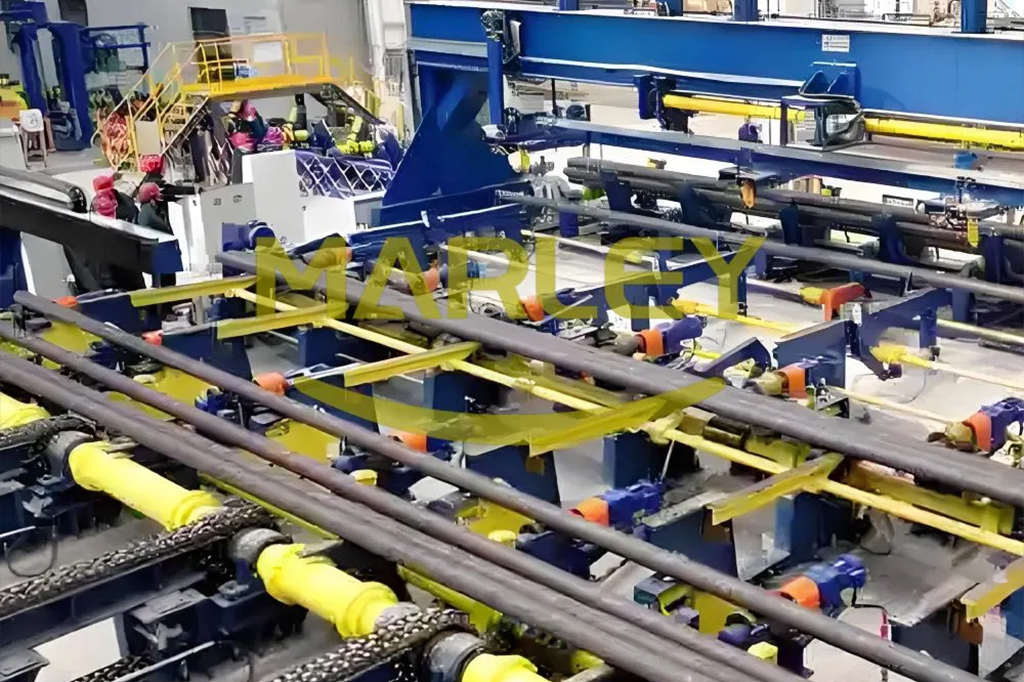
Why High-Pressure Pipe Testing Is Critical
Industrial pipelines are often exposed to extreme pressure conditions. To ensure they can withstand these environments, pipes are typically tested using hydrostatic pressure methods. In this process, the pipe is filled with water and pressurized beyond its normal operating level to verify structural integrity and leak resistance.
Modern Pipe pressure testing equipment allows manufacturers to simulate these conditions in a controlled environment. High-pressure systems can test pipes at pressures ranging from several MPa to over 60 MPa depending on pipe specifications.
This process helps identify defects such as:
-
microscopic cracks
-
welding defects
-
wall thickness weaknesses
-
sealing failures
Without reliable Pipe pressure testing equipment, these problems might only appear after installation—when the consequences are much more severe.
Key Features of High-Pressure Pipe Pressure Testing Equipment
Not all testing machines are designed for extreme industrial applications. Advanced Pipe pressure testing equipment typically includes several specialized features that support high-pressure environments.
1. High-Pressure Pumping Systems
Industrial testing machines rely on powerful hydraulic pumps to generate stable pressure during testing. These pumps can deliver controlled pressure up to dozens of megapascals while maintaining consistent flow rates.
High-pressure hydraulic systems ensure that Pipe pressure testing equipment can simulate real operating conditions without pressure fluctuation.
2. Advanced Sealing and Clamping Systems
Testing large steel pipes requires strong sealing technology. Modern Pipe pressure testing equipment often uses:
-
radial sealing systems
-
end-face sealing heads
-
heavy-duty hydraulic clamps
These mechanisms ensure that pressure is contained safely during testing, even when dealing with large-diameter pipes or extremely high pressures.
Some industrial testers support pipe diameters from small laboratory sizes up to more than 80 inches (≈2000 mm) depending on machine configuration.
3. Digital Pressure Monitoring and Control
Accurate measurement is essential during high-pressure testing. Modern Pipe pressure testing equipment typically uses:
-
digital pressure sensors
-
PLC-based control systems
-
real-time pressure curve monitoring
-
automated data logging
Many machines achieve pressure control accuracy close to ±1%, allowing operators to detect even minor pressure drops that indicate leaks.
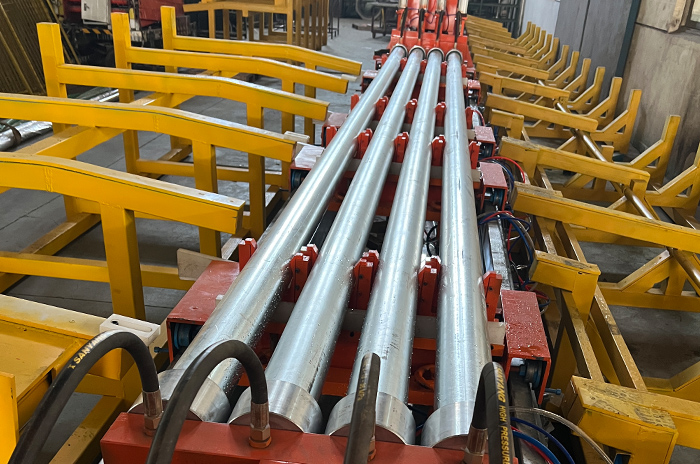
4. Automated Testing Cycles
Automation improves both efficiency and consistency in industrial testing operations.
Advanced Pipe pressure testing equipment can automatically perform multiple testing stages, including:
-
filling the pipe with water
-
gradual pressure increase
-
pressure holding
-
leak detection
-
pressure release
These automated cycles reduce operator workload and ensure consistent testing procedures.
Typical Technical Capabilities of Industrial Systems
High-pressure Pipe pressure testing equipment is built to handle demanding production environments. Typical specifications for industrial machines include:
| Parameter | Typical Capability |
|---|---|
| Pipe diameter range | Up to 1800–2400 mm |
| Pipe length | 6 m – 20 m |
| Maximum test pressure | Up to 200 MPa (depending on system) |
| Control system | PLC + industrial PC |
| Test types | Hydrostatic, burst, pressure holding |
| Pressure accuracy | ±1% or better |
These specifications allow Pipe pressure testing equipment to meet the requirements of industries such as oil pipelines, chemical processing, and high-pressure fluid systems.
Applications Across High-Pressure Industries
High-pressure Pipe pressure testing equipment is used in a wide range of industrial sectors.
Oil and Gas Pipelines
Pipelines transporting crude oil or natural gas require strict hydrostatic testing to ensure leak-free operation.
Power Generation
Power plants rely on high-pressure steam pipelines, making accurate pressure testing essential for safety.
Chemical Processing
Chemical plants often operate under extreme pressures and temperatures, requiring reliable pipe integrity verification.
Infrastructure Projects
Water supply systems and large infrastructure pipelines must undergo pressure testing before commissioning.
In each of these industries, Pipe pressure testing equipment helps ensure that pipelines meet safety regulations and performance requirements.
Comparing Basic vs High-Pressure Testing Systems
| Feature | Basic Testing Equipment | High-Pressure Pipe Pressure Testing Equipment |
|---|---|---|
| Pressure capability | Low to medium pressure | Extreme industrial pressure |
| Automation | Limited manual control | PLC automatic operation |
| Pipe capacity | Small pipes | Large industrial pipelines |
| Data recording | Manual logs | Digital reports |
| Safety features | Basic protection | Advanced safety systems |
For manufacturers working in demanding industries, advanced Pipe pressure testing equipment provides greater reliability and production efficiency.
Choosing the Right Solution
When selecting Pipe pressure testing equipment for high-pressure applications, manufacturers should evaluate several factors:
-
maximum pressure capability
-
pipe diameter range
-
automation level
-
sealing technology
-
data recording and reporting functions
-
compliance with international standards
Equipment designed according to standards such as ISO and ASTM ensures that pipes meet global quality requirements.
High-pressure industrial environments demand absolute reliability from pipeline systems. Even small defects can lead to serious consequences once pipes are installed.
By using modern Pipe pressure testing equipment, manufacturers can verify pipe strength, detect hidden flaws, and meet strict industry standards before products reach the market.


