


 HOME
What Makes High-Quality Pipe Pressure Testing Equipment Different from Standard Systems
17 March 2026
In the steel pipe industry, hydrostatic testing is a critical step before pipes leave the factory. At first glance, most machines used for this purpose may look similar. But in reality, high-quality Pipe pressure testing equipment is very different from basic or standard systems.
The differences show up in testing accuracy, automation, reliability, and long-term performance. For steel pipe manufacturers that export globally or supply demanding industries like oil & gas, investing in advanced Pipe pressure testing equipment can significantly improve product quality and operational efficiency.
Let’s explore what truly separates high-quality systems from standard ones.
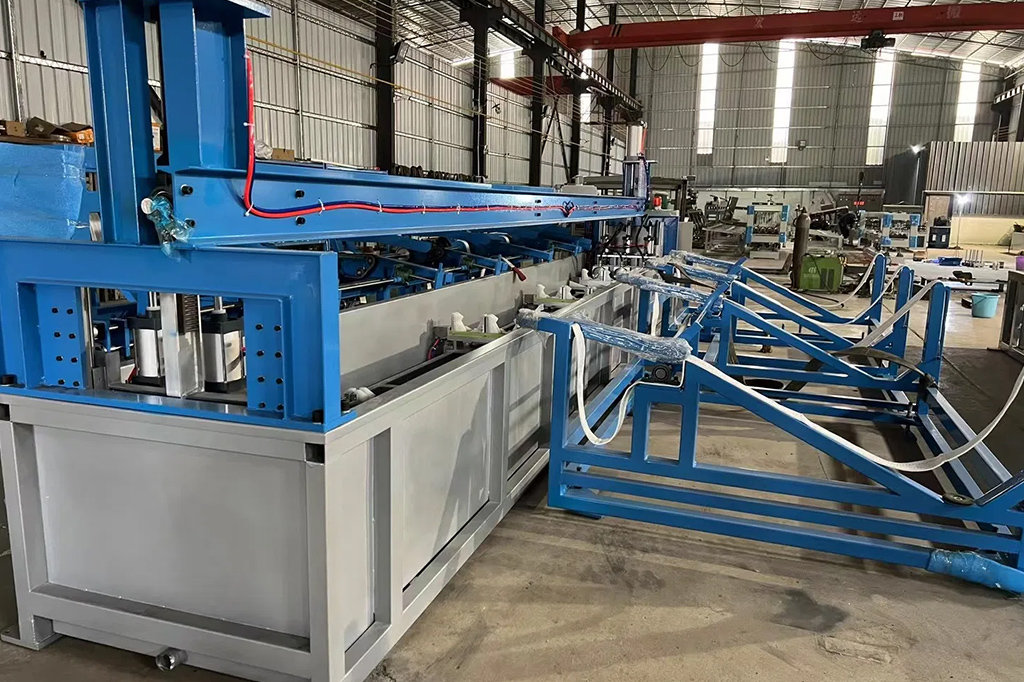
1. Precision Pressure Control and Stability
The core function of Pipe pressure testing equipment is to apply and maintain precise internal pressure inside a pipe.
High-quality systems use advanced pressure control mechanisms that allow the machine to gradually increase pressure, hold it steadily, and release it safely. This stability is essential for detecting leaks and structural weaknesses accurately.
Premium equipment often includes:
-
high-pressure plunger or piston pumps
-
precision pressure regulating valves
-
digital pressure sensors
-
automated pressure holding systems
If pressure fluctuates during testing, results may become unreliable. That’s why advanced Pipe pressure testing equipment focuses heavily on pressure stability.
2. Higher Testing Accuracy
Testing accuracy is another key factor that distinguishes advanced Pipe pressure testing equipment.
Modern machines often combine analog gauges with digital sensors to achieve extremely precise measurements. Some systems can monitor pressure changes down to 0.25%, which allows manufacturers to detect tiny leaks or weaknesses much earlier.
Standard systems may rely only on basic gauges, which can lead to less accurate readings and inconsistent results.
In industries where safety and certification are critical, accurate Pipe pressure testing equipment ensures compliance with international standards.
3. Advanced Automation and Control Systems
Automation is one of the biggest differences between standard and high-end Pipe pressure testing equipment.
Traditional machines often require manual valve adjustments and manual data recording. In contrast, modern systems use advanced control technology such as:
-
PLC automatic control
-
HMI touch screen interface
-
automatic pressure curve monitoring
-
automatic data recording and report generation
Many modern machines also support automatic pipe clamping and sealing, which improves testing speed and reduces operator workload.
These automation features make Pipe pressure testing equipment much more efficient for large-scale pipe manufacturing.
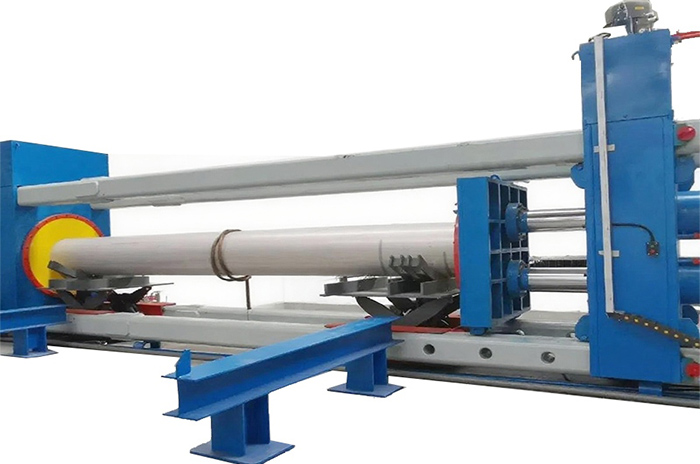
4. Superior Sealing and Clamping Systems
A pressure test is only reliable if the pipe ends are sealed properly.
High-quality Pipe pressure testing equipment uses advanced sealing systems that can adapt to different pipe diameters and prevent leakage during testing.
Typical features include:
-
expandable internal sealing devices
-
radial or end-face sealing mechanisms
-
heavy-duty clamping systems
These sealing solutions reduce false test failures and help maintain consistent pressure during the test cycle.
Standard machines often have simpler sealing systems, which may cause pressure loss or inaccurate results.
5. Data Recording and Traceability
Modern manufacturers need detailed testing records for quality control and customer documentation.
High-quality Pipe pressure testing equipment usually includes digital data logging systems that record:
-
pressure curves
-
holding time
-
pressure drop
-
test results
These systems can automatically generate reports and store testing data for future reference.
Standard systems may require manual recording, which increases the risk of human error.
6. Wider Testing Capacity and Customization
Another difference lies in machine capability.
Industrial-grade Pipe pressure testing equipment can handle a wide range of pipe specifications. For example, some machines support:
| Parameter | Typical Range |
|---|---|
| Pipe diameter | 20 mm – 1420 mm |
| Pipe length | 4 m – 12 m |
| Test pressure | 5 MPa – 25 MPa |
| Control system | PLC automatic system |
These machines can also be customized for specific production lines or pipe standards.
Standard machines typically have limited capacity and fewer customization options.
7. Improved Safety Systems
Safety is another important difference.
High-quality Pipe pressure testing equipment includes advanced safety features such as:
-
automatic pressure relief valves
-
over-pressure alarms
-
emergency stop systems
-
protective frames and shields
These systems protect both the equipment and operators during high-pressure testing operations.
Standard machines may lack some of these safety protections, increasing operational risks.
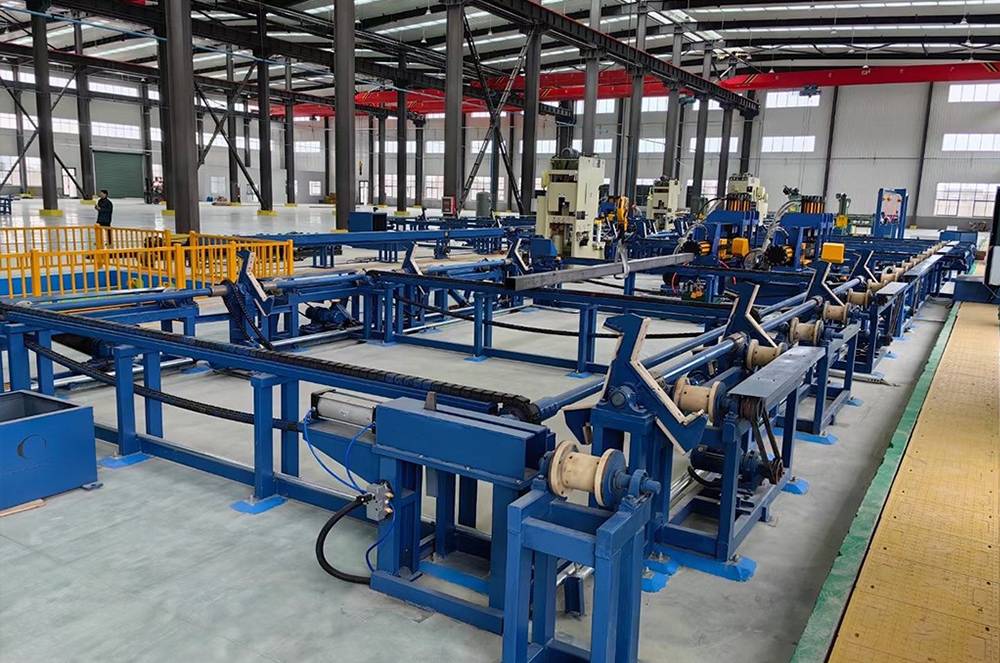
Quick Comparison: Standard vs High-Quality Systems
| Feature | Standard Equipment | High-Quality Pipe Pressure Testing Equipment |
|---|---|---|
| Pressure control | Basic regulation | Precision automated control |
| Accuracy | Basic gauges | Digital sensors & advanced monitoring |
| Automation | Manual operation | PLC automatic control |
| Sealing system | Basic clamps | Advanced sealing mechanisms |
| Data recording | Manual logs | Automatic digital reports |
| Safety | Limited protection | Multiple safety systems |
This comparison clearly shows why many manufacturers prefer advanced Pipe pressure testing equipment for modern production environments.
While standard testing machines can perform basic pressure tests, high-quality Pipe pressure testing equipment delivers far more than that. It offers higher accuracy, better automation, improved safety, and more reliable test results.
For steel pipe manufacturers that want to maintain consistent product quality and compete in international markets, investing in advanced Pipe pressure testing equipment is often the smarter long-term decision.
The right equipment not only improves testing accuracy—it strengthens customer trust and ensures every pipe leaving the factory meets the highest standards.


