


 HOME
HOMEKey Features to Look for in Reliable Pipe Pressure Testing Equipment
20 March 2026
In industries like oil & gas, steel pipe manufacturing, water supply systems, and construction, pressure testing is not just a routine step—it’s a critical safety process. Before pipelines or pressure vessels are put into service, they must be tested to ensure they can safely withstand operating pressure without leaks or structural failure.
This is where Pipe Pressure Testing Equipment plays a vital role. The right equipment ensures accurate results, efficient testing, and reliable quality control.
However, not all testing machines are built the same. When manufacturers or engineers search for Pipe Pressure Testing Equipment, they often focus only on price or basic specifications. In reality, reliability depends on several key features that directly affect accuracy, efficiency, and long-term performance.Let’s explore the most important features you should look for when selecting Pipe Pressure Testing Equipment.
1. High-Precision Pressure Control System
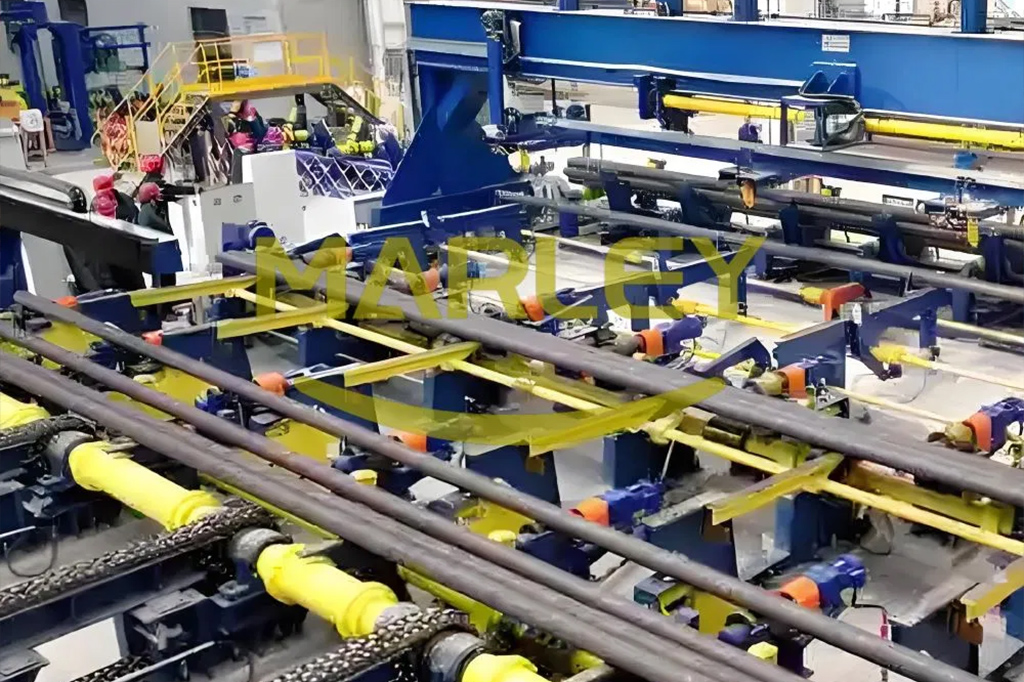
The most fundamental function of Pipe Pressure Testing Equipment is to apply and maintain pressure accurately.
Modern hydrostatic testing systems use advanced pressure control systems capable of maintaining precise pressure levels during testing cycles. Many industrial machines can maintain pressure accuracy within about ±1%, which is essential for reliable testing results.
High-quality Pipe Pressure Testing Equipment usually includes:
-
Digital pressure sensors
-
High-precision pressure regulators
-
Stable hydraulic pumps
-
Programmable pressure profiles
Accurate pressure control ensures that the pipe is tested under the correct conditions and prevents false pass or fail results.
2. Reliable Sealing and Clamping Mechanism
Even the best pressure pump is useless if the pipe cannot be sealed properly.
One of the most common problems during hydrostatic testing is leakage at pipe ends or fittings, which can cause incorrect test results or repeated testing cycles.
Reliable Pipe Pressure Testing Equipment should include:
-
Adjustable clamping systems
-
Expandable internal sealing devices
-
High-durability sealing materials (rubber or polyurethane)
-
Automatic sealing mechanisms for faster testing
A strong sealing system improves test accuracy and also reduces water loss and testing time.
3. Efficient Water Filling and Venting System
Hydrostatic pressure testing uses water as the testing medium. However, trapped air inside the pipe can distort pressure readings and create safety risks.
Professional Pipe Pressure Testing Equipment includes systems designed to remove air before the pressure test begins.
Typical components include:
-
Automatic water filling valves
-
Air venting ports
-
Fast drainage systems
These features help ensure accurate pressure readings and faster testing cycles, especially in high-volume production environments.
4. Advanced Control System and Automation
Automation is becoming increasingly important in modern pipe production lines.
Today’s Pipe Pressure Testing Equipment often uses PLC-based control systems that allow operators to automate the entire testing process.
Key automation features may include:
-
Programmable testing cycles
-
Real-time pressure monitoring
-
Automatic leak detection
-
Data recording and report generation
Some industrial testing systems can even support multi-station testing, allowing multiple pipes to be tested simultaneously to improve productivity.
Automation not only improves efficiency but also reduces human error.
5. Wide Pipe Diameter Compatibility
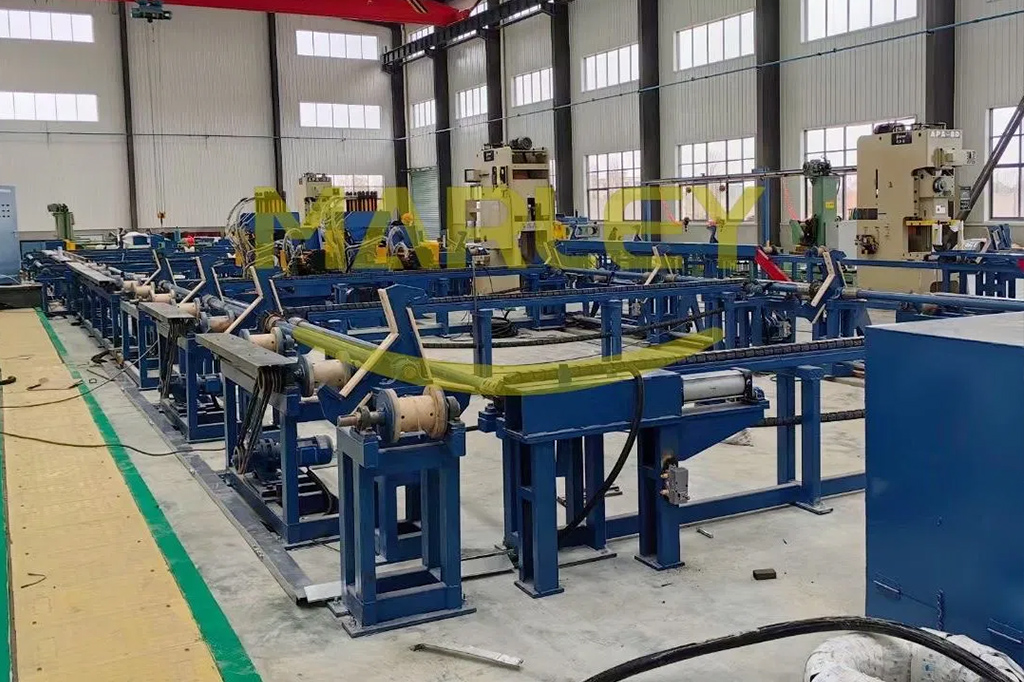
Pipe manufacturers rarely produce only one pipe size. For this reason, flexible Pipe Pressure Testing Equipment should support a wide range of pipe diameters.
Industrial hydrostatic testing machines can sometimes accommodate pipe diameters from 20 mm to more than 1400 mm, depending on the production line requirements.
Machines designed for multi-diameter testing usually include:
-
Adjustable fixtures
-
Movable sealing heads
-
Flexible clamping systems
This flexibility makes the Pipe Pressure Testing Equipment more suitable for modern manufacturing environments.
6. Data Recording and Quality Traceability
Quality traceability is increasingly important in industries such as energy pipelines, construction, and chemical processing.
Modern Pipe Pressure Testing Equipment often includes digital data management systems capable of recording:
-
Pressure curves
-
Testing time
-
Temperature data
-
Pass/fail results
This information can be stored and printed for quality audits or certification requirements.
For manufacturers exporting pipes internationally, having reliable testing records is often essential to meet industry standards and customer requirements.
7. Strong Structural Design and Safety Protection
Hydrostatic testing involves extremely high pressure. Without proper safety features, testing operations can become dangerous.
Reliable Pipe Pressure Testing Equipment should include:
-
Heavy-duty structural frames
-
Safety pressure relief valves
-
Emergency stop systems
-
Overpressure protection
Some industrial systems are designed to handle extremely high pressures—sometimes up to 200 MPa depending on application.
A robust machine structure ensures both operator safety and long-term equipment durability.
Quick Comparison: Basic vs Advanced Pipe Pressure Testing Equipment
| Feature | Basic Equipment | Advanced Equipment |
|---|---|---|
| Pressure control | Manual or simple gauges | Digital sensors with PLC |
| Sealing system | Fixed sealing | Adjustable sealing system |
| Automation | Manual operation | Fully automated testing |
| Data recording | Limited | Full digital data logging |
| Pipe size compatibility | Single size | Multiple diameter ranges |
| Testing efficiency | Low | High |
For manufacturers running high-volume production lines, investing in advanced Pipe Pressure Testing Equipment often leads to higher efficiency and better quality control.
Choosing the right Pipe Pressure Testing Equipment is about more than just purchasing a machine—it’s about ensuring the safety, quality, and reliability of your entire pipeline system.
Reliable equipment should provide:
-
Accurate pressure control
-
Strong sealing systems
-
Efficient automation
-
flexible pipe size compatibility
-
complete testing data records
When these features work together, Pipe Pressure Testing Equipment becomes a powerful tool for quality assurance and production efficiency.
For pipe manufacturers, investing in reliable testing equipment ultimately means fewer failures, better product quality, and stronger trust from customers.


