


 HOME
HOMESteel Pipe Hydro Tester for Seamless Steel Pipe Inspection
12 December 2025
In modern pipeline manufacturing and infrastructure construction, ensuring the integrity and safety of steel pipes is absolutely critical. For seamless steel pipes — widely used in oil & gas, water supply, chemical transport, boiler systems, and other pressure-bearing applications — a robust inspection and quality assurance method is non-negotiable. That’s where a Steel Pipe Hydro Tester becomes indispensable.
What is a Steel Pipe Hydro Tester?
A Steel Pipe Hydro Tester — also known as a hydrostatic pressure testing machine — is a specialized device designed to inspect steel pipes (including seamless, welded, and other types) by filling them with liquid (most frequently water) and applying internal pressure. The principle is simple yet powerful: because water is nearly incompressible, when pressurized, even tiny imperfections — micro-cracks, weak seams, wall defects, or leak paths — become evident through pressure drop or visible seepage.
Using a hydrotester ensures that each pipe meets strength and leak-tightness requirements before it goes out to customers or installation sites.
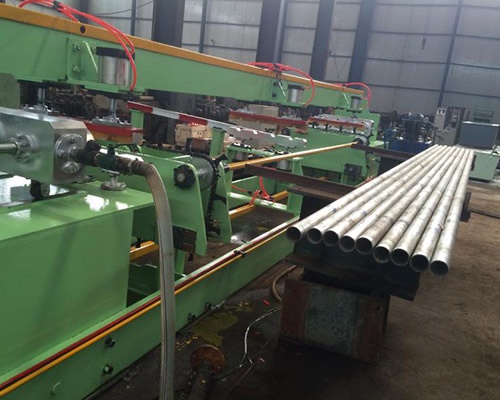
Why Hydrostatic Testing is Essential for Seamless Steel Pipes
✅ Detect Hidden Defects and Guarantee Integrity
Visual inspection or even some non-destructive tests may fail to detect sub-surface defects — small cracks, porosity, inadequate wall thickness, or internal weaknesses. A hydrostatic test subjects the pipe to pressures exceeding its normal working pressure, making hidden flaws visible before the pipe is deployed.
✅ Ensure Compliance with Industry Standards
For many applications — especially in industries like oil & gas, chemical transport, high-pressure boiler systems — compliance with global standards (e.g. those based on API, ASTM International, ISO) is mandatory. Hydrostatic testing provides documented proof that pipes meet required pressure and performance standards.
✅ Improve Quality Assurance and Reduce Risk
By catching defects early — before installation or transport — hydrostatic testing significantly reduces the risk of in-field failures, leaks, or catastrophic pipe bursts. That saves costs related to rework, repairs, downtime, environmental damage, and safety accidents.
✅ Boost Manufacturing Efficiency and Reliability
Modern hydro-testers offer automated control: sealing, water injection, pressure ramp-up, monitoring, data logging, and release. This automation increases throughput, lowers human error, and ensures repeatable, traceable inspection for every batch.
✅ Build Customer Confidence & Protect Reputation
For suppliers and manufacturers, being able to show documented hydrotest results on every seamless steel pipe builds credibility. It demonstrates a commitment to safety, quality, and reliability — essential when bidding for contracts, supplying critical infrastructure, or exporting pipes.
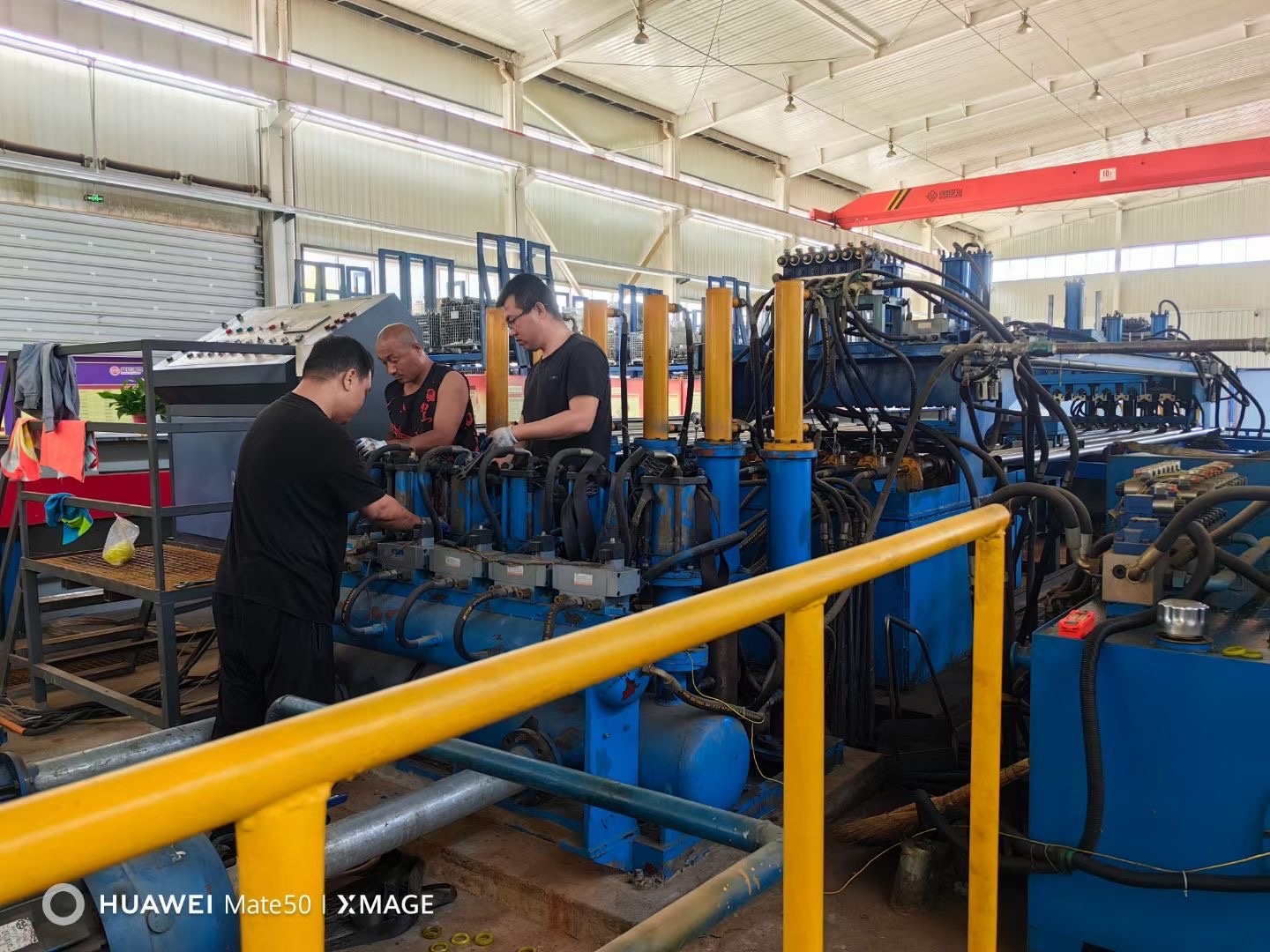
How Does the Hydrostatic Test Work — Typical Procedure
-
Preparation & Pre-inspection
Before hydro testing, pipes are cleaned, visually inspected and often undergo non-destructive inspection (e.g. ultrasonic testing) to ensure surface and basic wall integrity. -
Sealing and Filling
Both ends of the pipe are sealed using hydraulic heads or sealing devices. Water (sometimes dyed or treated) is injected to fully fill the pipe and purge any air. -
Pressurizing
Pressure is steadily increased (at a controlled rate) to meet the required test pressure, typically above the pipe’s nominal working pressure — often specified per standard (e.g. API/ASTM guidelines). -
Holding & Monitoring
The pipe is held at test pressure for a defined duration (e.g. 30–60 seconds, or as per standard requirements). During this period, pressure monitors, sensors, and data loggers track for any pressure drop or abnormal deformation. -
Result Analysis & Drainage
If no leak or deformation appears and pressure remains stable, the pipe is qualified. Then water is drained, and the pipe is dried, cleaned, and prepared for packaging or further processing.
When & Where to Use Steel Pipe Hydro Tester: Typical Applications
-
Seamless steel pipes for oil & gas transmission — where high pressure, corrosion resistance, and safety are critical.
-
Water supply pipelines, industrial fluid transport, chemical pipelines — where leak-tightness and long-term integrity matter.
-
Boiler tubes, high-temperature steam lines, pressure vessels — where material and manufacturing defects could lead to dangerous failures without proper testing.
-
Any project that demands compliance with international standards (API, ASTM, ISO etc.) and documentation for certification, inspections, or bids.
Why Investing in a High-Quality Hydro Tester is a Smart Choice
In an era where safety regulations are tightening and clients demand documented quality assurance, skimping on pipe testing is risky. Modern hydro testers — especially those with automated control, digital pressure monitoring, adjustable pressure/holding-time, and capacity for different pipe sizes — offer more than pass/fail checks. They provide traceability, reproducibility, and peace of mind.
For manufacturers, this means fewer production bottlenecks, less waste, better throughput, and reduced liability. For end-users — engineers, contractors, facility operators — it means confidence that every pipe will perform under real-world stresses. In critical infrastructure or high-pressure systems, that confidence can save lives and protect investments.
Conclusion
A Steel Pipe Hydro Tester is not just a convenience or optional extra — for seamless steel pipe inspection, it is often the single most effective method to guarantee structural integrity, leak-tightness, regulatory compliance, and long-term reliability. Whether you manufacture pipes, supply to industrial clients, or manage pipeline installations, investing in proper hydrostatic testing equipment (and rigorous testing protocol) should be at the top of your quality-assurance priorities.


