


 HOME
HOMETop 10 Applications of Hydro Testing Machine for Pipe
25 December 2025
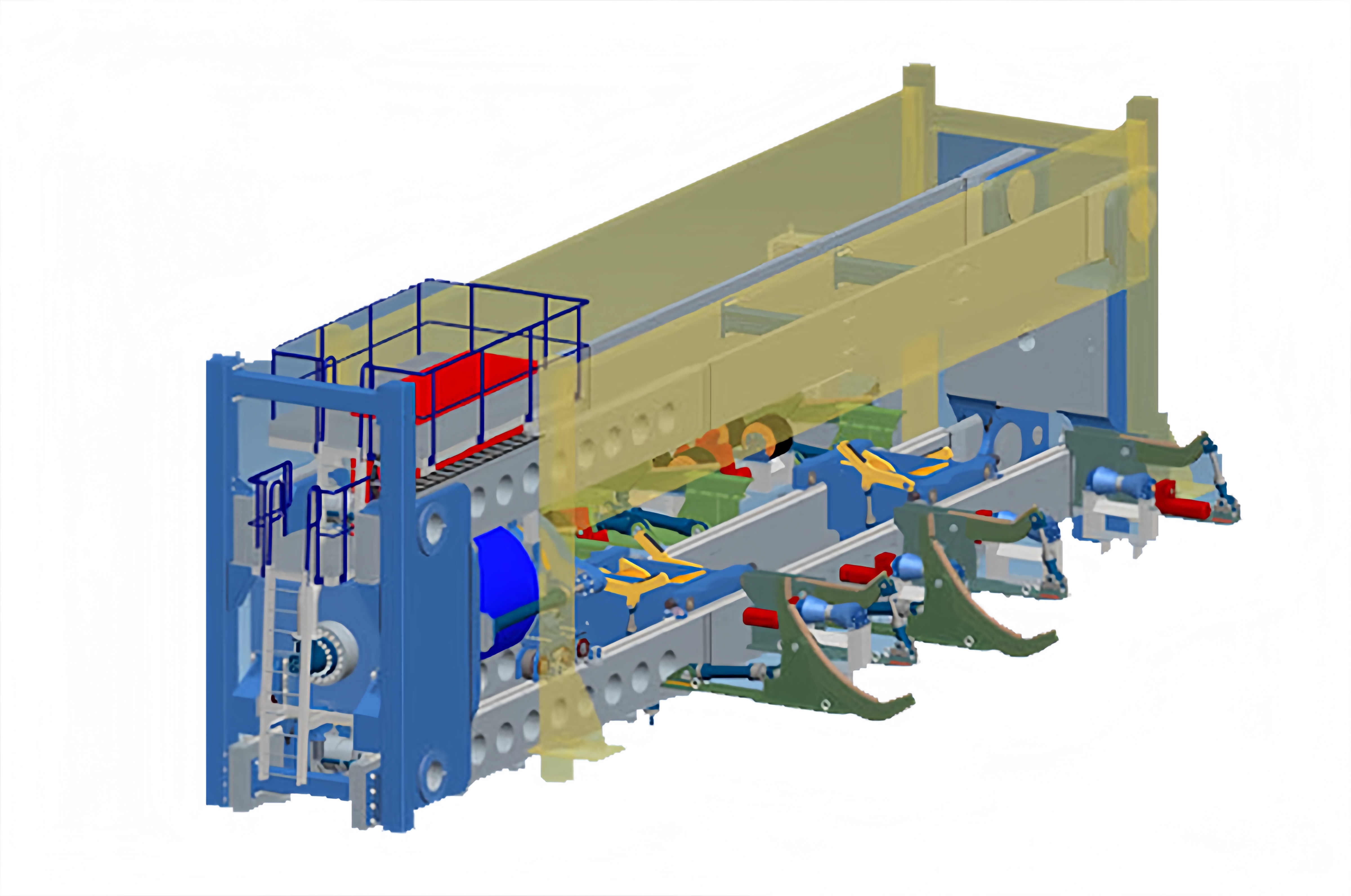
Hydro testing machines might not be the flashiest equipment on the factory floor, but they play a vital role in keeping pipelines safe, reliable, and fit for service. Whether it’s confirming that a newly made pipe won’t fail under pressure, or checking a fluid transport system before it goes live, hydrostatic testing is essential. Simply put, these machines fill pipes with water and pressurize them to verify strength, leak resistance, and overall performance under stress.
In this post, we’ll look at the top 10 applications where hydro testing machines are used in real industrial and construction settings — the places where quality truly matters.
1. Steel and Metal Pipe Production
In steel pipe manufacturing — including seamless, welded, ERW, or spiral pipes — hydro testing is foundational. Manufacturers use hydrostatic pressure machines to confirm weld quality and structural strength before the product leaves the plant. These tests ensure pipes meet design pressure expectations and help reduce costly field failures later.
2. Plastic and Composite Pipe Verification
Thermoplastic pipes like PE, PVC, PP-R, and other composite materials behave differently under pressure than metal. Hydro testing reveals whether their long-term internal pressure resistance is up to standard, making it invaluable for plumbing and industrial fluid systems where plastic piping is used.
3. Municipal Water Infrastructure
Before water mains or urban water supply pipelines are commissioned, hydrostatic tests are conducted to check for leaks and confirm integrity. This ensures that leaks or failures don’t arise after installation, which would otherwise require disruptive and costly repairs.
4. Gas Distribution Networks
Gas delivery systems operate under pressure. A hydro test helps to simulate working conditions for underground polyethylene or metal gas pipelines, ensuring the entire network can withstand expected pressures safely without escaping gas leaks.
5. Oil & Petrochemical Pipelines
In oil and petrochemical sectors, safety requirements are extremely high. Hydro testing machines are used to validate entire pipeline sections, from refinery headers to long-distance transmission lines, confirming that welds and seams will hold up under pressure well above operational levels.
6. Pressure Vessel and Storage Tank Inspection
Beyond pipelines, hydrostatic testing is also used for pressure vessels or storage tanks. These machines help detect weak spots that might collapse or leak under load — an important safety check before tanks enter service.
7. Industrial Fluid Handling Systems
In chemical plants, production facilities, and industrial plants, pipes carry fluids that might be corrosive, hot, or under constant pressure. Hydro testing machines confirm that these fluid transport lines are solid and leak-proof before putting them into routine operation.
8. Fire Protection and Safety Pipelines
Fire suppression systems — including sprinklers and hydrant networks — rely on uninterrupted pressurized water delivery in emergencies. Hydrostatic tests are performed during installation and periodic maintenance to ensure these safety systems remain dependable over time.
9. Quality Control Labs and Standards Testing
Quality control laboratories use hydro testing machines to benchmark materials and products against standards like ISO 1167, ASTM D1598, and ASTM D1599. These tests are needed for certification, research, or compliance before products enter global markets.
10. Construction and Commissioning of Infrastructure Projects
Large construction projects — such as power stations, industrial facilities, or water distribution networks — include hydro tests as a final verification step before systems are energized or connected. This gives engineers confidence that the piping systems will operate safely for years.
Application Comparison Table
Application
Why It Matters
Steel Pipe Production
Validates welds & pressure capacity
Plastic Pipe Inspection
Confirms material strength & sealing
Municipal Water Systems
Prevents leaks after installation
Gas Networks
Ensures safe, pressurized delivery
Oil & Petrochemical Pipelines
Meets high safety & pressure standards
Pressure Vessel Testing
Detects weak spots before service
Industrial Fluid Lines
Verifies integrity in harsh environments
Fire Protection Pipes
Maintains emergency readiness
Labs & Standards Testing
Supports certification & R&D
Construction Projects
Commissioning verification before handoff
Across all industries, the common thread in hydro testing is safety and reliability. Hydrostatic tests are non-destructive and highly effective at revealing hidden flaws, weak joints, or design shortcomings. These tests protect infrastructure, personnel, and long-term performance — which is why hydro testing machines are such indispensable tools for quality assurance.


