


 HOME
HOMEHow Hydro Testing Machine for Pipe Improves Manufacturing QC
29 December 2025
What Is Hydrostatic Testing and Why It Matters
Hydrostatic testing is a type of non-destructive testing (NDT) that applies pressurized water to a pipe to verify its strength, sealing performance, leak tightness and structural integrity before it goes into service. Because water is incompressible, it provides a safe and reliable means to detect weak points that aren’t visible from the outside.
This testing technique has long been a standard in industries like oil & gas, construction, water infrastructure, and manufacturing — and for good reasons. Let’s unpack exactly how it improves manufacturing quality control.
1. Detects Hidden Defects Before Shipment
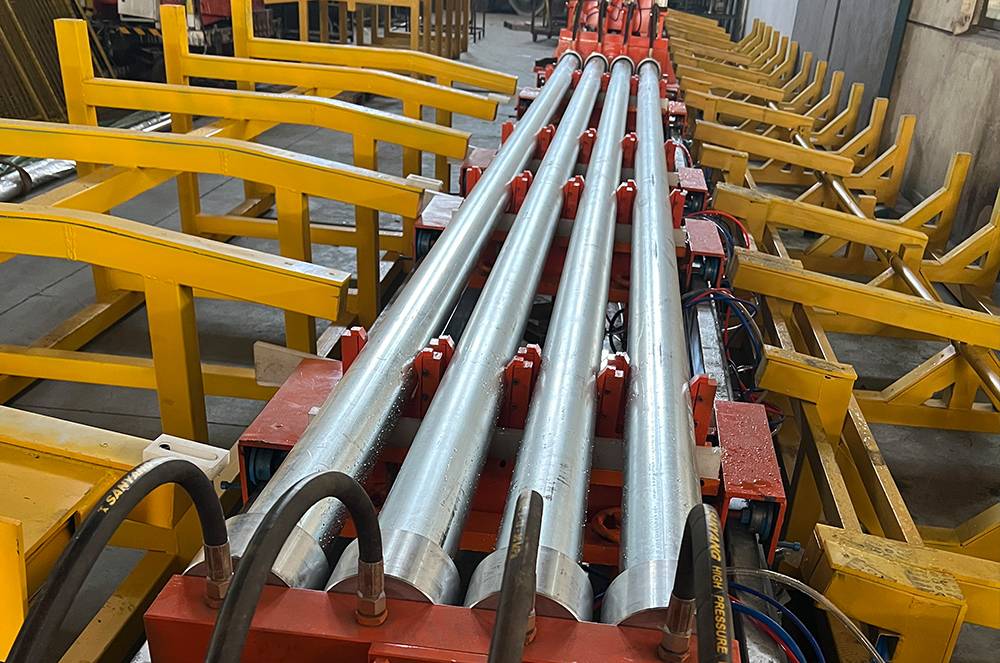
One of the most obvious but crucial benefits of a hydro testing machine is its ability to find otherwise undetectable flaws — micro-cracks, weak welds, or inconsistent material quality. By testing each pipe at pressures above its design operating level, manufacturers can catch defects before pipes are delivered to customers or installed in critical systems.
This early detection prevents:
-
On-site failures
-
Costly reworks
-
Returns or warranty claims
-
Safety incidents in the field
In short: catching problems early means you fix them once — and on your own terms.
2. Enforces Standardized, Repeatable Quality Checks
Manual testing or ad-hoc inspections are subjective and often vary from operator to operator. A hydro testing machine enforces consistent test protocols across every batch. Modern machines automate pressure ramp-up, holding times, and pass/fail criteria — making sure that every pipe is evaluated under the same conditions, every time.
This brings two big QC benefits:
✔ Every pipe meets your internal quality benchmark.
✔ Documentation becomes robust for audits and traceability.
3. Provides Objective Data for Quality Records
Today’s hydro testing machines don’t just pressurize and report pass/fail. They can log pressure-time curves, test duration, failure points, and leak rates into digital records.
From a quality management perspective, this means:
-
Full traceability for each production batch
-
Easily generated certificates for customers
-
Data-driven QC decisions rather than guesswork
When your QC team can back decisions with precise datasets, your manufacturing quality becomes measurable — not just assumed.
4. Reduces Rework and Improves Production Efficiency
Inconsistent products are expensive to fix. Without proper testing, pipes with hidden flaws may only be discovered downstream — during installation or even after field failure. That triggers:
❌ Rework
❌ Scrap
❌ Production delays
❌ Customer dissatisfaction
By integrating hydro testing directly into the production line, defects are caught at the right point, reducing waste and smoothing throughput. Manufacturers consistently report improved yield and predictable output with automated hydro testing in place.
5. Ensures Compliance with Industry Standards
Different markets and applications have strict quality benchmarks — API, ASTM, ISO and national codes all specify hydrostatic testing conditions for pipe products.
A hydro testing machine gives manufacturers:
-
Verified proof of compliance
-
Confidence in export tender responses
-
Acceptance in global supply chains
When quality criteria aren’t just met but documented, your pipes become more competitive on the international stage.
6. Builds Trust and Strengthens Brand Reputation
Beyond technical advantages, hydro testing builds trust — one of the most valuable intangible assets a manufacturer can have.
A buyer choosing between two suppliers may look at:


