


 HOME
HOMEApplication of steel pipe hydrostatic testing machine in the oil and gas industry
08 November 2025
When you work in the oil and gas sector, every component in a pipeline system has to perform under pressure—sometimes literally. That’s why the role of a reliable hydrostatic testing machine for steel pipes becomes more than just “nice to have” – it becomes a necessity. Let’s talk about how such a machine fits into the oil & gas world, what it does, and why it matters.
Why it matters in oil & gas
In oil and gas operations, whether on-shore or off-shore, steel pipes carry high-pressure fluids, often flammable or toxic. A failed pipe means not only major operational downtime, but also environmental risk and safety hazards. Before these pipes go into service, they must be verified. A good hydrostatic testing machine lets manufacturers or pipeline operators validate the pipe’s integrity under pressure, long before it ever sees the field.
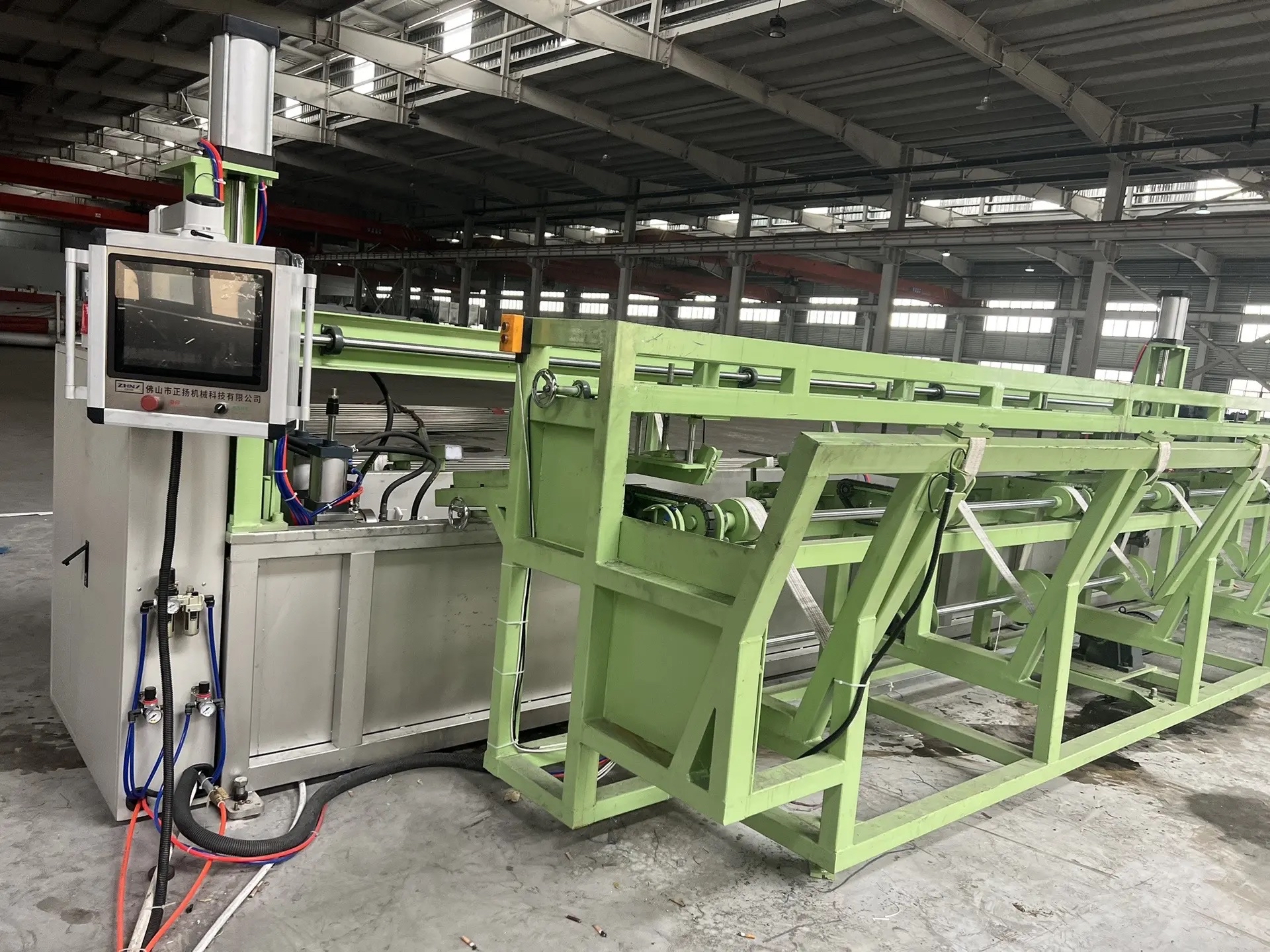
Typical uses of the machine in oil & gas
-
Casing and tubing tests: For example, in well construction, steel casing pipes are used to keep the wellbore intact. These casings are often hydro-tested to ensure there are no leaks along the full length.
-
Line pipe and flowline verification: Pipes used for transporting crude oil, natural gas, or injection fluids (water, chemicals) are often tested with hydrostatic machines to meet industry standards. The machine must handle the diameter, wall thickness and pressure suitable for oil/gas service.
-
Pre-commissioning of pipeline segments: Before pipelines are put into service, segments may be hydro-tested to a specified pressure (often above design operating pressure) to confirm no defects, welds hold, no deformation occurs. Standards often dictate “1.5× design pressure” or similar.
-
Quality assurance at the manufacturing stage: At the pipe mill supplying oil & gas services, hydrostatic test machines are used to test welded or seamless pipes before shipping, making sure they satisfy codes like American Petroleum Institute (API) standards, etc.
What the machine brings to the table
-
Assurance of leak-free performance: Especially critical in oil & gas, where leaks can result in safety incidents or costly downtime.
-
Compliance with standards: The machine helps manufacturers and operators meet recognised standards (API, ASTM, DIN, GB) for pipeline integrity.
-
Reduced risk in service: By catching defects early (weld flaws, wall thinning, burst strength issues) you reduce risk once the pipe is buried or installed.
-
Documentation and traceability: Many machines allow data capture, printing of test records – essential when dealing with oil & gas customer contracts, certification or third-party inspection.
Practical considerations for oil & gas use
-
Size and pressure capacity: Oil & gas pipes may range widely in diameter and wall thickness; the testing machine must cover the relevant range. For example, one machine specification indicated use for diameters from 20 mm up to 1420 mm and pressures from 5 MPa up to 25 MPa or more, depending on standard.
-
Standards and hold-time: According to pipeline testing guidelines, the hydrostatic test pressure should often be at least 1.5× design pressure, and holding for specified time.
-
Safety and sealing: In oil & gas, any failure in testing isn’t just a test failure — could translate to field incident. The machine must have strong seals, safety provisions, real-time monitoring.
-
Integration into production/manufacturing: The machine must fit workflow – whether pipe manufacturing, or pipeline pre-commissioning. For a pipe mill supplying oil & gas, high throughput, automation, good documentation matter.
-
Environment & conditions: For offshore or extreme conditions, machine must be adaptable (e.g., ability to test for high pressures, special pipe grades). One manufacturer referenced machines able to test premium alloy pipes at very high pressure.
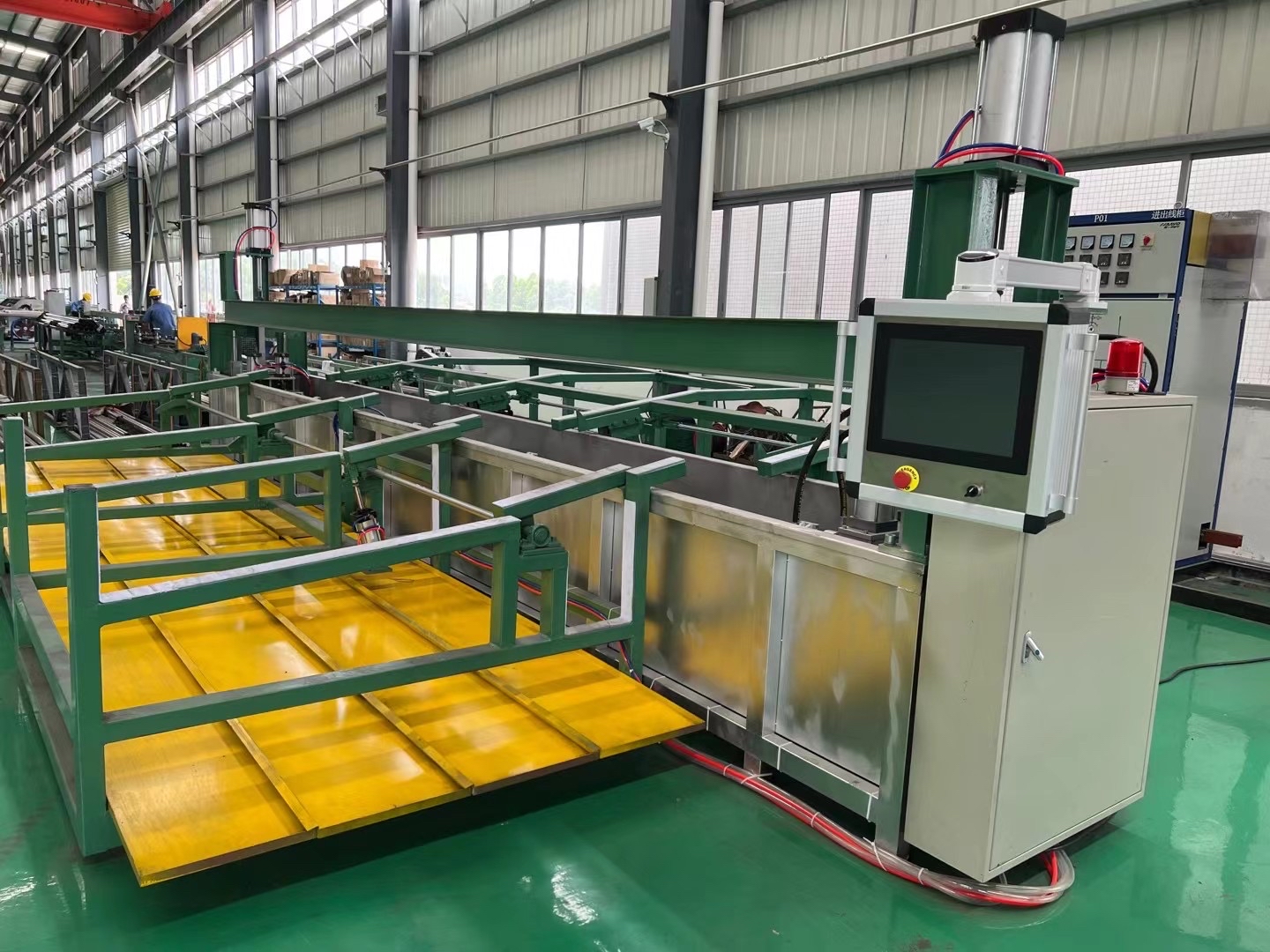
Challenges and what to watch
-
Testing logistics: Preparing long pipe lengths, handling large diameters, dealing with heavy weight – all need robust machine design.
-
Water handling and drainage: After the test you need proper systems to drain water, safely release pressure, and ensure no residual stress remains.
-
Documentation demands: Oil & gas clients often require a full test record. If your machine or workflow lacks data logging/document exporting, you may get rejected.
-
Standards evolving: With deeper wells, more demanding service conditions (higher pressures, corrosive fluids), your testing machine needs to keep up.
-
Cost vs benefit: While these machines can be expensive, the cost of pipe failure in oil & gas is far higher. Selecting a machine aligned with your pipe types, service conditions and client requirements is key.
In short: if you’re supplying or installing steel pipes in the oil and gas industry, the hydrostatic testing machine is one of the foundational quality-assurance tools. It helps you say with confidence: “This pipe was tested under pressure, it passed, it’s ready for service.” By focusing on the right machine — one with the capacity, documentation, standards support and safety you need — you protect your operation, your reputation and your clients.


