


 HOME
HOMEFood-Grade Pipe Making Machine: How to Meet FDA Standards with 316L Stainless Steel
13 September 2025
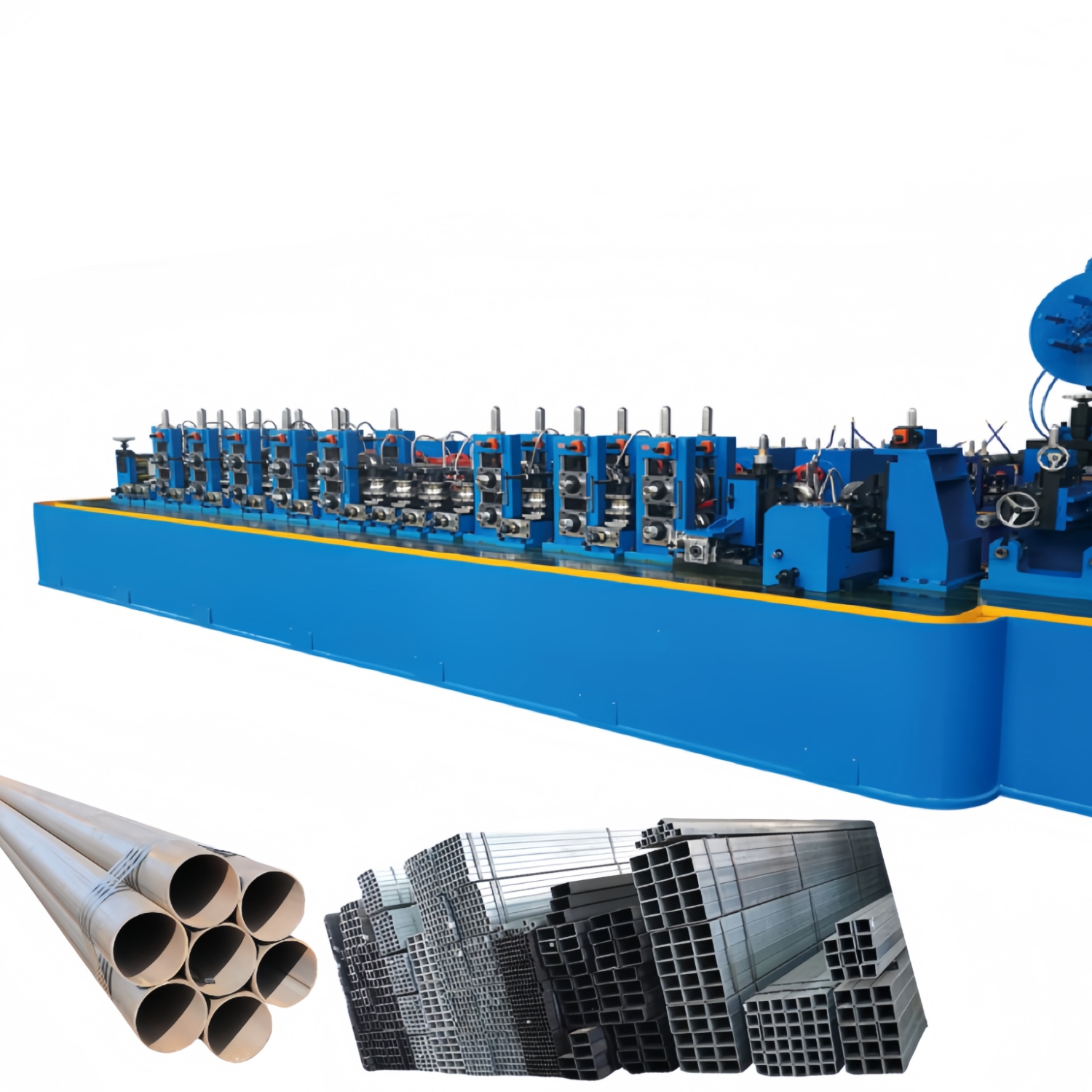
When manufacturing pipes for food, beverage, or pharmaceutical applications, ensuring FDA compliance is critical. A food-grade pipe making machine built with 316L stainless steel provides the best combination of cleanliness, durability, and regulatory conformity.
1. Why 316L Stainless Steel is the Preferred Material in Food-Grade Equipment
-
Superior Corrosion Resistance
316L stainless steel contains chromium (16–18%), nickel (10–14%), and molybdenum (2–3%), giving it enhanced resistance to chlorides, acids, and salt—significantly better than more common grades like 304.FDA-Approved for Food & Pharmaceutical Use -
316L meets FDA requirements for food contact applications due to its inert properties, durability, and cleanability.
2. Sanitary Design: Beyond the Material
-
Smooth, Crevice-Free Surfaces
Sanitary design requires polished, crevice-free surfaces to minimize contamination risks. This supports effective clean-in-place (CIP) systems. -
Tri-Clamp / Sanitary Fittings
Though ISO 2852 has been withdrawn, its hallmark sanitary clamp design—Tri-Clamp or Tri-Clover—is still widely used for quick-disconnect, hygienic connections. -
Compliance with 3-A and ASME BPE Standards
Consider integrating elements from 3-A Sanitary Standards or ASME BPE, which define hygiene, surface finish, and material requirements for fluid processing equipment, especially in biopharmaceutical contexts.
3. FDA Regulatory & Cleaning Validation Requirements
-
FDA Cleaning Validation
The FDA recognizes validated cleaning procedures for materials like 316 stainless steel. Once a cleaning protocol is validated for a given material, it may be reused across similar equipment without redundant validation. -
Material Certification for Traceability
-
Use material test reports (MTRs) or third-party testing (PMI, UT) to verify compliance with chemical composition and mechanical properties. This documentation supports regulatory confidence and traceability.
4. Selecting the Right Pipe Making Machine: Technical & Operational Features
-
Material Handling & Fabrication
Ensure the machine supports seamless 316L processing—cutting, forming, welding—while preserving surface quality and minimizing heat-affected zones. -
Weld Integrity & Polishing
All welds must be continuous, smooth, and free of pits or crevices to maintain hygienic integrity. Polishing may not always be required, but weld quality is essential. -
CIP Capability and Machine Structure
The machine should allow full CIP cleaning—even components like gaskets, seals, and fittings must be easily accessible and cleanable. Sanitary design features (e.g., removable gaskets, shielded shafts) are vital.
5. Benefits: ROI, Maintenance, and Safety
|
Feature |
Advantage |
|
316L Corrosion Resistance |
Longer life under harsh cleaning and acid environments |
|
Sanitary Design |
Minimizes contamination risks, lowers downtime for cleaning |
|
Regulatory Compliance |
Easier inspection, audit readiness, reduced liability |
|
Material Traceability |
Better consistency, easier defect tracking, higher customer confidence |


