


 HOME
How to choose the right pipe making machine for the chemical, food, and construction industries?
10 September 2025
Choosing the optimal pipe making machine for your industry—whether for chemical processing, food production, or construction—demands a nuanced evaluation across material needs, hygiene standards, production scale, and automation level. This guide breaks down key considerations to help you select a machine that balances efficiency, compliance, and profitability.
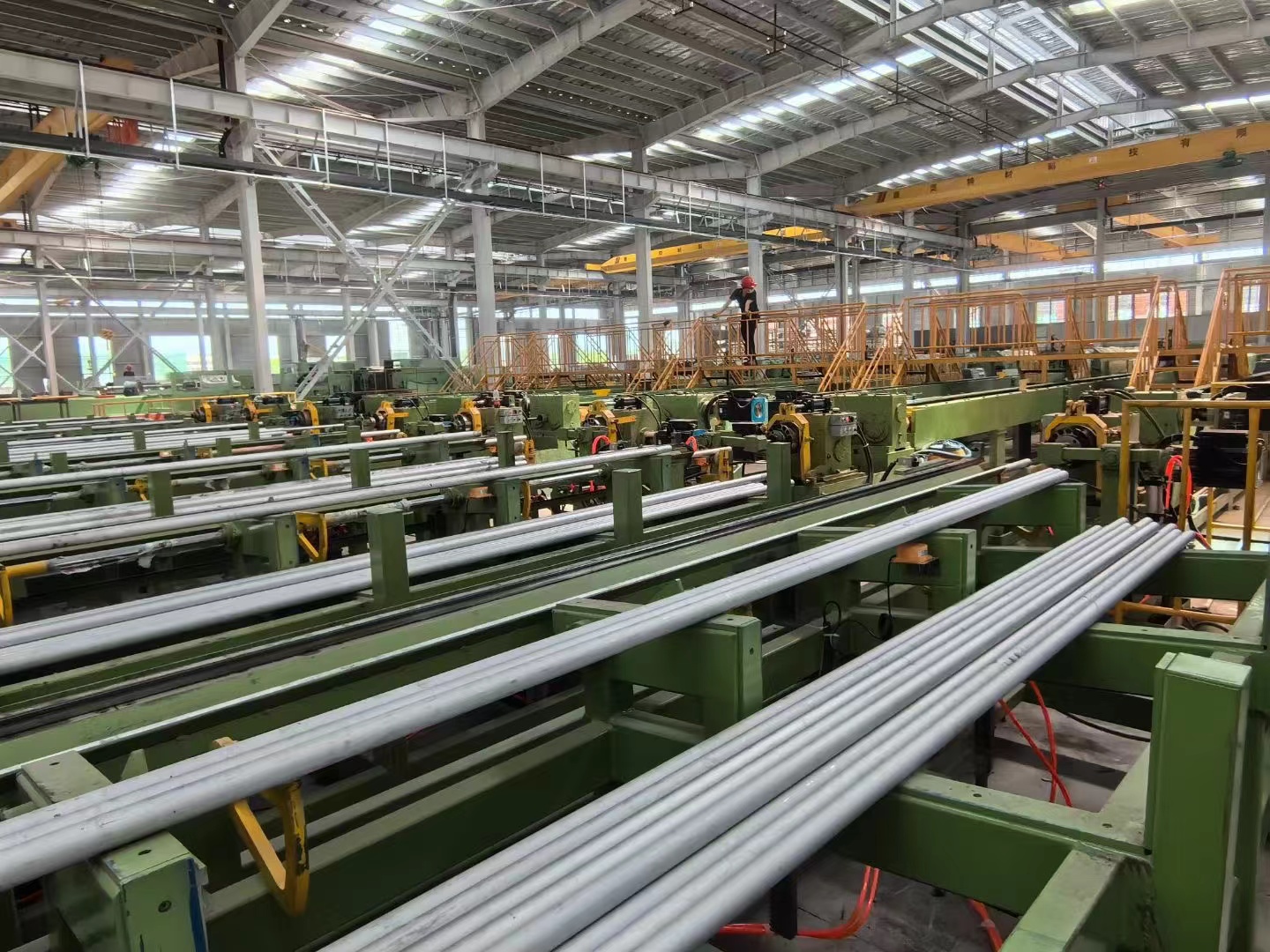
1. Match the Machine to Material Requirements & Industry Standards
-
Chemical Industry: Prioritize corrosion-resistant materials like HDPE, PP, or specialty plastics such as PVDF or ECTFE. These materials offer excellent resistance to aggressive media and high-temperature environments.
-
Food & Beverage Industry: Your machine should support food-grade materials and be compatible with CIP (Clean-in-Place) systems, ensuring hygiene without frequent disassembly.
-
Construction Sector: Durability is key—HDPE is ideal for water, drainage, and gas applications because it delivers longevity, flexibility, and chemical resistance.
2. Assess Machine Type & Key Specifications
-
Extrusion Systems for Plastics (PVC, HDPE, PP):
-
Production Capacity: Align machine throughput with your volume needs—dual-line extruders for high output; single-line systems for lower volume.
-
Screw & Barrel Design: Opt for nitrided or bimetallic barrels to ensure durability and efficient melting.
-
Die Head Flexibility: Choose designs that allow uniform wall thickness and support multiple diameters if needed.
-
-
Cement / Concrete Pipe Machines: Look for hydraulic or pneumatic core extraction systems, PLC control for accurate parameter adjustment, real-time monitoring, and data logging for efficiency and quality control.
-
Seamless & Welded Steel Pipe Machinery: Pay attention to supported diameter and wall thickness ranges—from thin-walled (0.5–3 mm) to heavy-wall (10–30 mm+) variants.
3. Automation, Control & Integration
-
Utilize PLC + HMI systems for easy operation, process control, and minimal staffing. Real-time data monitoring aids quality assurance.
-
Consider modular, pipe processing systems, especially for high-volume or industrial setups—these support automation for loading, measuring, cutting, and transferring, saving space and manpower.
4. Cleanability, Safety & Regulatory Compliance
-
For food or pharma applications, machines must support CIP cleaning to minimize contamination risks and adhere to hygiene standards.
-
In chemical processing, ensure compatibility with aggressive substances and proper containment mechanisms. Materials like PVDF or ECTFE may be needed.
-
Construction applications require rugged design and safety—especially for outdoor or demand-heavy use, choose machinery built for durability and harsh environments.
5. Evaluate Total Cost of Ownership & Scalability
-
Energy Efficiency: High-efficiency motors, temperature zones, and optimized design reduce long-term operating costs.
-
Maintenance & Support: Invest in suppliers offering robust after-sales service, spare parts, and technical support; this reduces downtime and total cost.
-
Future-Proofing: Choose machines with flexibility—support multiple materials, expandable throughput, or easily upgradeable modules as demand evolves.
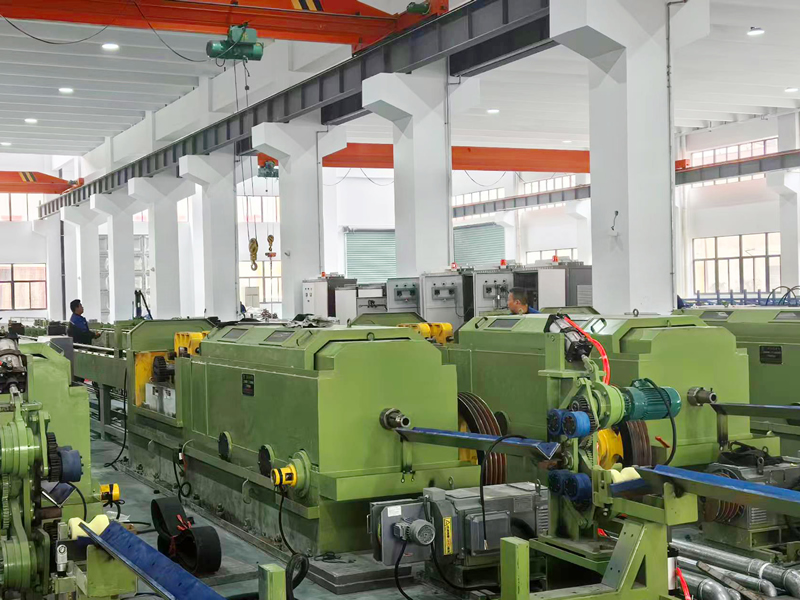
Industry-Specific Quick Checklist
|
Industry |
Key Considerations |
|
Chemical |
Material resistance, containment, corrosion-safe design |
|
Food & Beverage |
CIP capability, food-grade material compatibility, hygiene compliance |
|
Construction |
HDPE strength, durability, scalability, long-term performance |
|
Cross-Industry |
Production volume, energy efficiency, automation level, maintenance & support |
Selecting the right pipe making machine means aligning equipment with your industry's stringent requirements—whether that's durable, chemically resistant PVC/HDPE systems for construction, CIP-ready setups for food, or data-driven, automated systems for cement production. By prioritizing material compatibility, automation, hygiene standards, and cost-efficiency, you position your operation to deliver quality, sustainability, and strong ROI.


