


 HOME
HOMEPipeline Hydrostatic Testing Machine Technology: A Practical Guide for Employees
01 June 2026
In pipe manufacturing, quality is not judged by appearance alone. A pipe may look fine on the surface, but still have hidden welding defects, weak points, or sealing problems. This is why the hydrostatic testing machine plays such an important role in modern pipe plants.
For employees working in a production workshop, understanding how a hydrostatic testing machine works is very important. It is not just a testing device. It is the final quality checkpoint before the pipe goes out to customers.
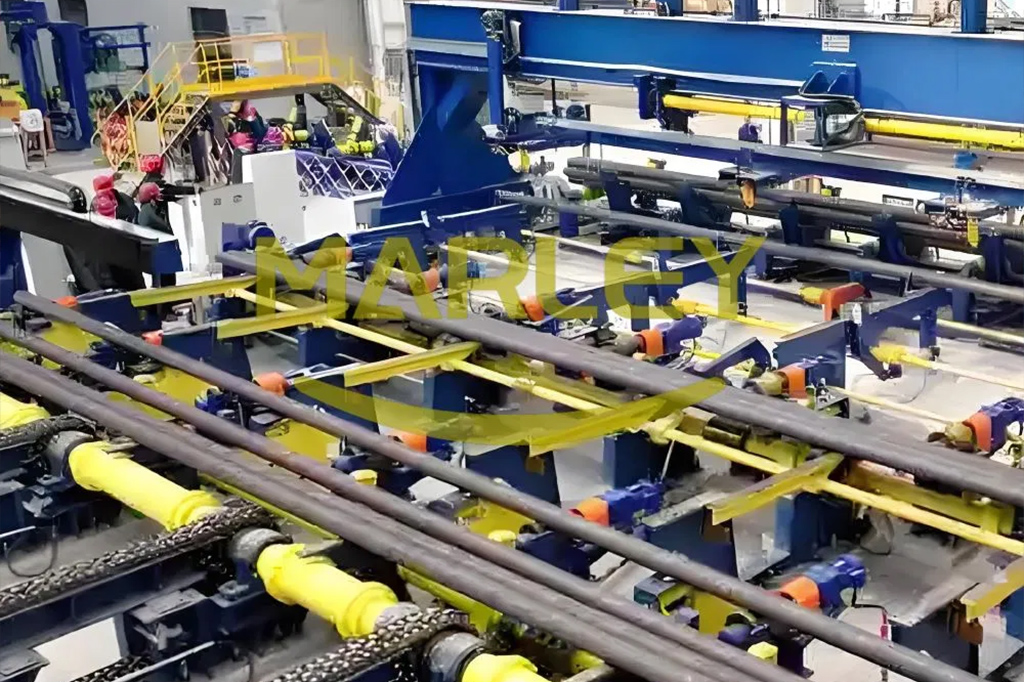
Why Hydrostatic Testing Matters
A pipe used in water supply, oil transportation, gas projects, or construction must withstand pressure safely. If the pipe fails in service, the result can be costly and dangerous.
The hydrostatic testing machine checks whether each pipe can hold water pressure for a set time without leakage or pressure loss. In simple terms, it helps confirm whether the pipe is strong enough for real use.
This is why many factories treat the hydrostatic testing machine as a key part of the whole production line, not just an optional extra.
How the Machine Works
The working process is actually easy to understand:
|
step |
what happens |
|
Pipe loading |
The pipe is placed into position |
|
End sealing |
Both ends are sealed tightly |
|
Water filling |
The pipe is filled with water |
|
Pressure testing |
Pressure is increased to the required level |
|
Holding time |
The system checks for pressure drop or leakage |
|
Unloading |
Qualified pipes move to the next process |
What Employees Should Pay Attention To
In daily work, the most important things are sealing, pressure control, and machine condition.
If the sealing head is worn, the hydrostatic testing machine may show water leakage or unstable pressure. If the pressure sensor is inaccurate, the test result may also be affected. If the pump is not maintained properly, the whole line can become slower and less reliable.
That is why operators usually check these points before starting work:
- Seal condition
- Pressure sensor status
- Pump running noise
- Water system condition
- Control panel alarms
A well-maintained hydrostatic testing machine always performs better than a machine that is used carelessly.
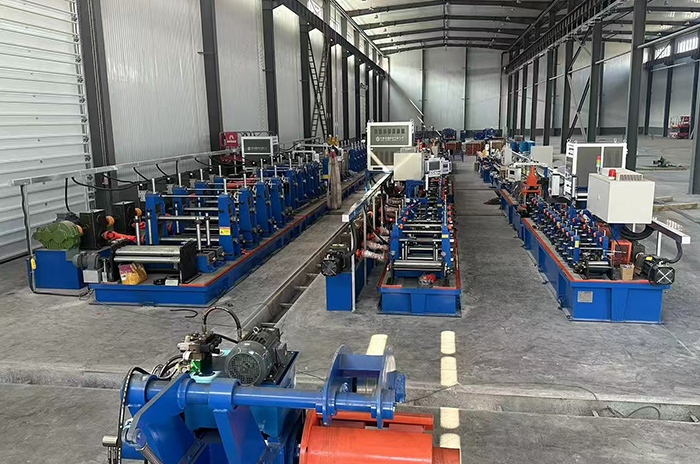
Common Problems in Production
|
Problem |
Possible Reason |
|
Pressure drops too fast |
Seal leakage or pipe defect |
|
Water leakage around the ends |
Sealing ring worn out |
|
Slow pressure rise |
Pump issue or air in the system |
|
Unstable readings |
Sensor problem |
|
Pipe not fixed properly |
Clamping force not enough |
In most factories, these issues can be solved quickly if employees understand the machine structure and follow the correct steps.
Why Automation Is Important
Today, many factories are upgrading to automatic hydrostatic testing machine systems. Compared with older manual equipment, automation brings several benefits:
- Faster testing speed
- Better pressure accuracy
- Less labor intensity
- More stable test results
- Easier data tracking
For export pipe manufacturers, this is especially important because customers often want traceable quality control records.
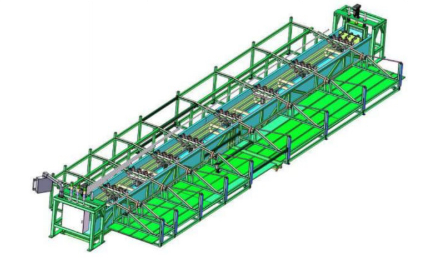
A hydrostatic testing machine is more than a pressure test system. It is a quality guarantee for the whole pipe production process. For employees, learning how it works helps reduce mistakes, improve efficiency, and keep production safer.
For pipe mills that care about product quality and customer trust, the hydrostatic testing machine remains one of the most important machines on the line.


