


 HOME
HOMESafety Measures When Operating Ultrasonic Pipe Testing Equipment
10 August 2026
Safe operation of Ultrasonic pipe inspection equipment requires proper operator training, regular equipment maintenance, correct use of personal protective equipment (PPE), and strict compliance with testing procedures. Operators must verify machine conditions before operation, ensure proper handling of pipes, maintain safe distances from moving components, and regularly inspect ultrasonic probes, water coupling systems, and electrical components. Following these safety practices helps prevent equipment damage, workplace injuries, and inaccurate Ultrasonic pipe testing results.
Detailed Explanation
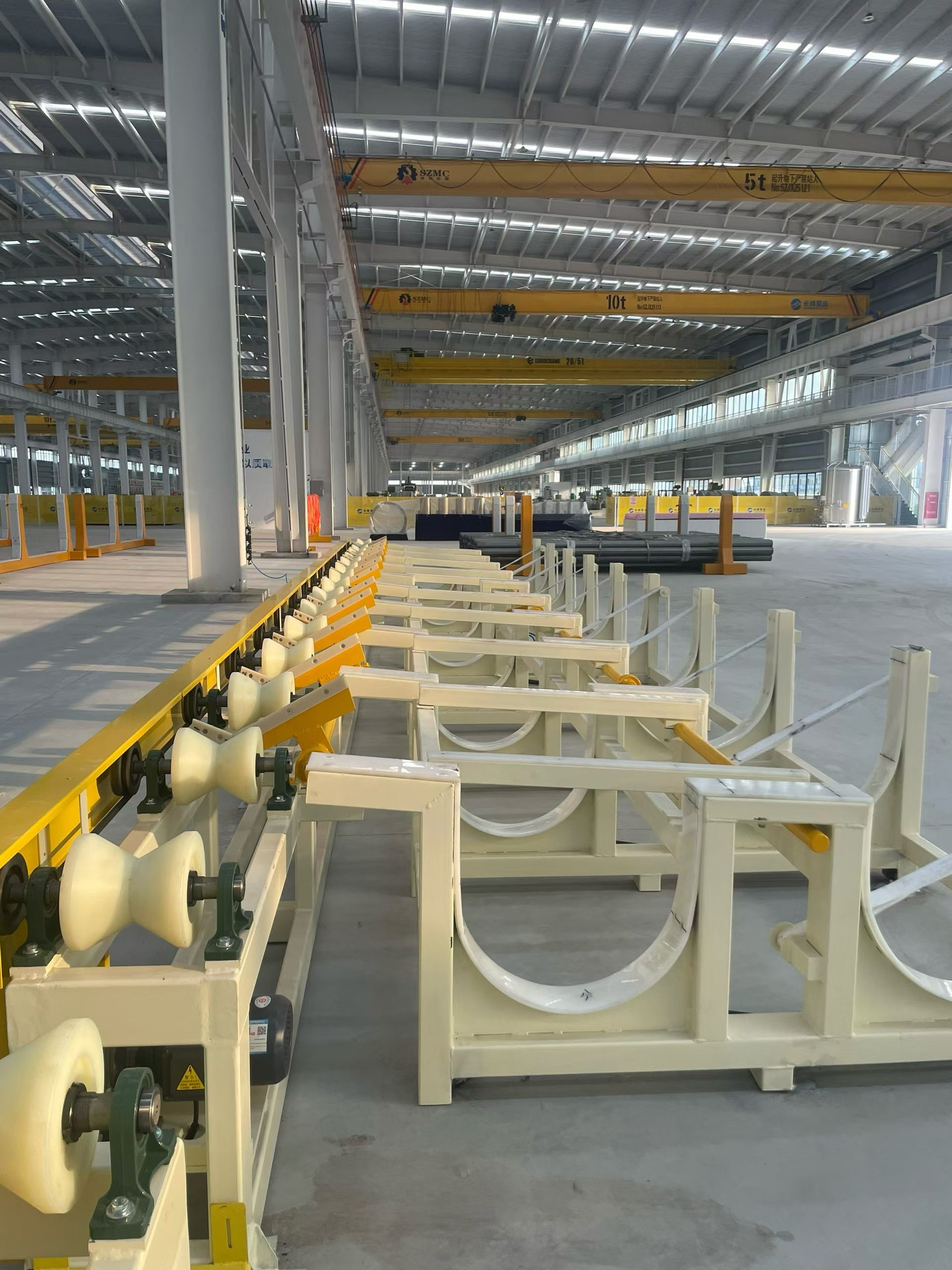
Ultrasonic pipe testing equipment is widely used in steel pipe manufacturing to detect internal defects such as cracks, inclusions, laminations, and other discontinuities. Although ultrasonic inspection does not involve radiation hazards, the equipment includes mechanical movement systems, electrical systems, pressurized water circulation, and automated scanning devices that require careful operation.
The main safety risks and control measures include:
|
Potential Risk |
Safety Measure |
|
Moving pipes and rollers |
Keep hands and tools away from conveyor systems and rotating components |
|
Electrical hazards |
Perform regular inspections of cables, control cabinets, and grounding systems |
|
Water coupling system leakage |
Check pipelines, pumps, and seals before operation |
|
Ultrasonic probe damage |
Avoid collision between probes and pipe surfaces |
|
Incorrect operation |
Ensure operators receive professional training before using the equipment |
A professional Ultrasonic pipe inspection equipment system usually integrates ultrasonic probes, scanning mechanisms, water coupling modules, control systems, and data acquisition software. Each component must work correctly to maintain both operator safety and inspection accuracy.
Safety Measures During Operation
1. Perform Pre-Operation Inspection
Before starting the machine, operators should check:
- Whether emergency stop buttons are functional
- Whether ultrasonic probes are correctly installed
- Whether water coupling pressure and flow are within the required range
- Whether cables and electrical connections show damage
- Whether pipe support rollers are correctly positioned
A pre-operation checklist can prevent unexpected downtime and reduce risks during production.
2. Use Proper Personal Protective Equipment
Operators working with ultrasonic pipe testing systems should wear:
- Safety glasses to protect against water spray or metal particles
- Safety shoes for pipe handling operations
- Protective gloves when loading and unloading pipes
- Hearing protection when working near high-noise production lines
Although ultrasonic inspection itself is safe, surrounding manufacturing environments may include heavy machinery and steel handling operations.
3. Maintain Safe Distance From Moving Components
Most modern ultrasonic pipe inspection machines use automatic feeding systems and rotating pipe mechanisms. Operators should never place hands near:
- Rotating rollers
- Pipe loading areas
- Automatic scanning units
- Moving probe holders
During automatic inspection cycles, operators should monitor the process through the control system rather than manually adjusting components.
Practical Application in Steel Pipe Manufacturing
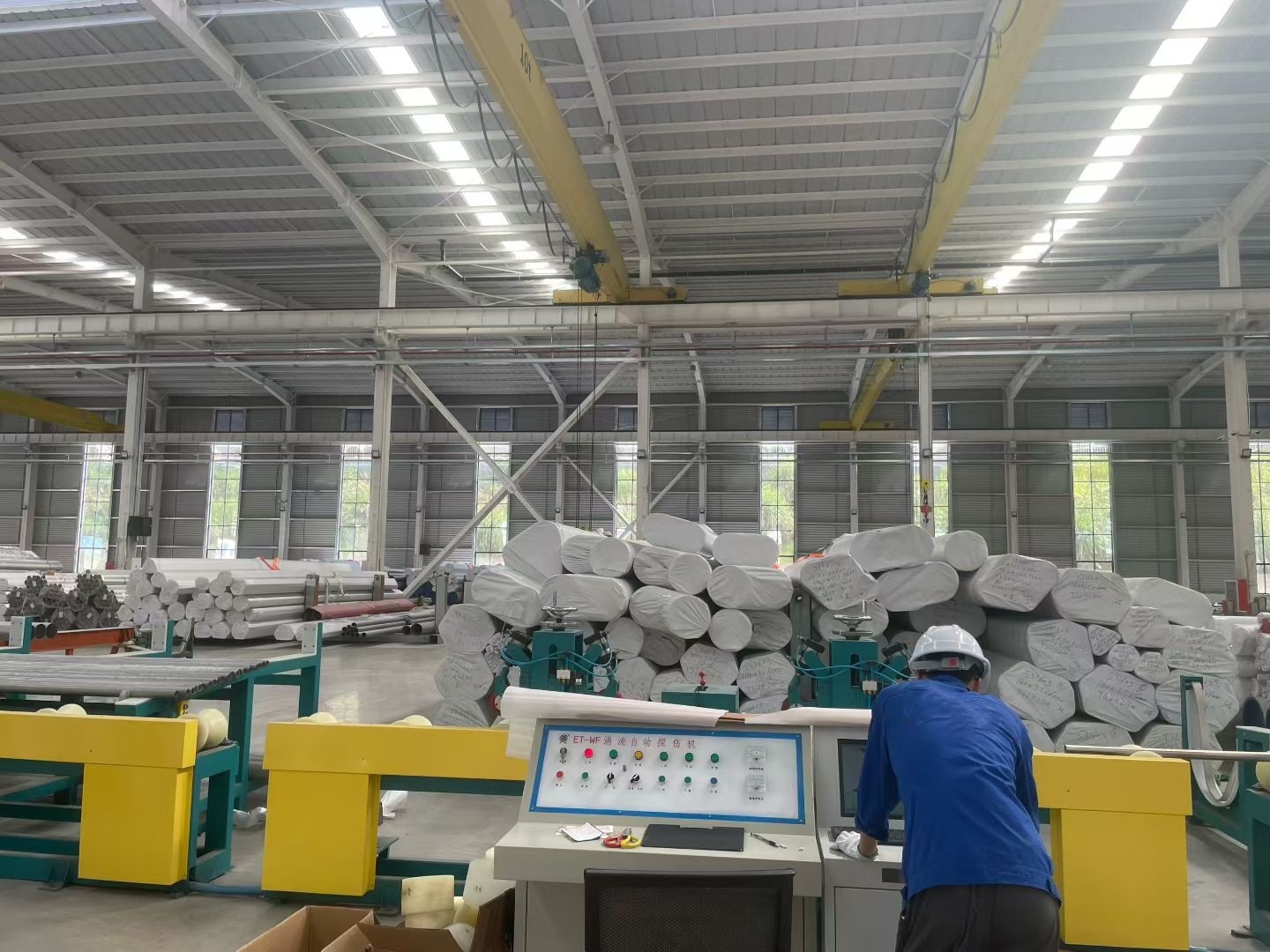
In real production environments, safety management is closely connected with inspection quality. For example, when a steel pipe manufacturer uses an eddy current machine together with ultrasonic testing equipment, operators must follow separate operating procedures because each technology has different inspection principles and safety requirements.
Typical production workflow:
- Load the steel pipe onto the conveyor system.
- Verify probe alignment and coupling conditions.
- Start the ultrasonic scanning process.
- Monitor inspection signals through the control interface.
- Remove qualified pipes and isolate defective pipes.
Proper operation ensures reliable defect detection while reducing false alarms caused by poor coupling, incorrect calibration, or improper machine settings.
Important Safety Considerations
To maintain long-term equipment reliability and workplace safety, manufacturers should establish a preventive maintenance program.
Key points include:
- Calibrate ultrasonic probes regularly according to inspection standards.
- Replace damaged cables and sensors immediately.
- Keep water circulation systems clean to avoid unstable coupling.
- Maintain software and inspection parameters correctly.
- Record maintenance activities and operator training history.
Operators should also avoid modifying machine parameters without authorization because incorrect settings may affect detection sensitivity and inspection reliability.
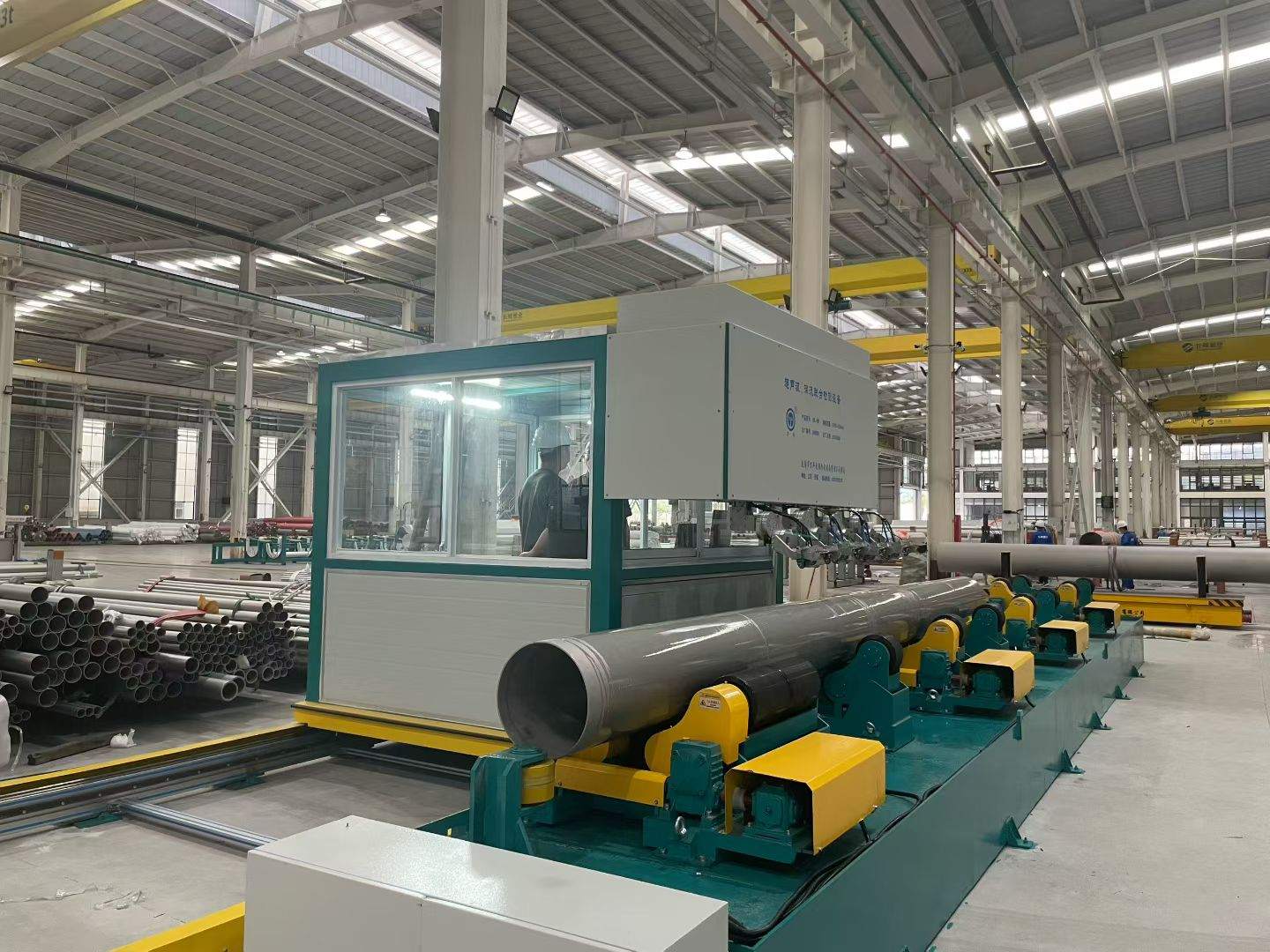
Operating Ultrasonic pipe inspection equipment safely requires a combination of trained personnel, proper maintenance, correct operating procedures, and continuous monitoring. By controlling mechanical, electrical, and operational risks, steel pipe manufacturers can achieve accurate Ultrasonic pipe testing results while maintaining a safe production environment. Whether using ultrasonic testing equipment, an eddy current machine, or other non-destructive testing systems, safety procedures are essential for stable and efficient inspection operations.


