


 HOME
HOMEPipe pressure testing machine vs hydro testing machine what is the difference
17 April 2026
If you’ve been sourcing testing equipment for pipes, you’ve probably seen both terms everywhere: Pipe pressure testing machine and hydro testing machine. Many suppliers even use them interchangeably.
But here’s the truth from real factory practice:they overlap — but they are not exactly the same thing.
Understanding the difference is critical if you want better efficiency, stable test results, and fewer production headaches.
Quick Answer
- A hydro testing machine is a general concept: any machine that uses water pressure to test strength and leakage.
- A Pipe pressure testing machine is a specialized system designed specifically for pipes and tubular products.
In other words:
All pipe pressure testing machines are hydro testing machines — but not all hydro testing machines are built for pipes.
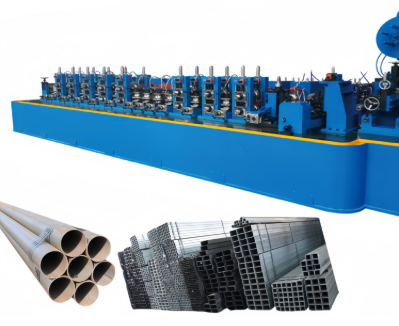
What Is a Hydro Testing Machine?
A hydro testing machine performs hydrostatic testing, which means:
- filling a component with water
- increasing pressure above working level
- checking for leaks, deformation, or failure
This method is widely used because water is incompressible and safer than gas, reducing the risk of explosive failure during testing .
Typical applications:
- pipes
- pressure vessels
- cylinders
- valves
- boilers
Hydro testing is considered a standard safety and quality verification method in many industries .
What Is a Pipe Pressure Testing Machine?
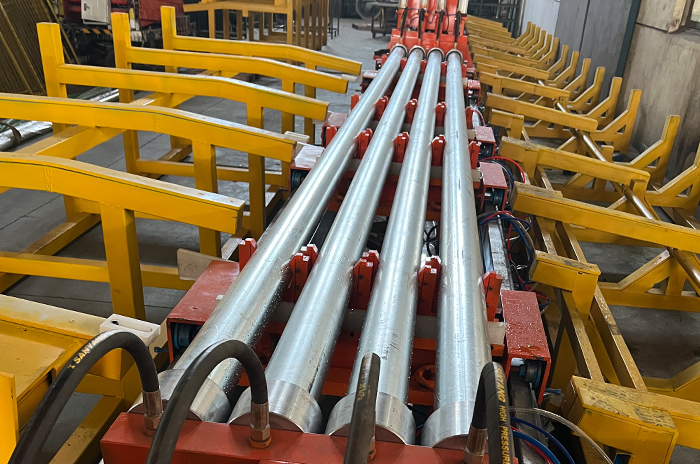
A Pipe pressure testing machine is a production-oriented system specifically engineered for pipes.
Unlike general hydro testing setups, it is designed around:
- pipe loading and positioning
- automatic sealing (end caps or clamps)
- rapid water filling and pressurizing
- pressure holding and data recording
- fast discharge and cycle repeat
In modern pipe factories, a Pipe pressure testing machine is not just a tester — it’s part of the quality control line.
Core Differences
|
Aspect |
Pipe Pressure Testing Machine |
Hydro Testing Machine |
|
Definition |
Specialized pipe testing equipment |
General pressure testing system |
|
Scope |
Pipes, tubes, bar materials |
Pipes + vessels + valves + components |
|
Design focus |
Speed, sealing, automation |
Flexibility, multi-purpose use |
|
Production role |
Integrated in pipe production line |
Standalone or lab/field use |
|
Efficiency |
High (batch testing) |
Medium (depends on setup) |
|
Customization |
Based on pipe size & output |
Based on test object type |
The Real Difference in Factory Use
From real production experience, the difference shows up in workflow, not just definition.
1. Efficiency Gap
A standard hydro testing machine may work fine for testing one product at a time.
But a Pipe pressure testing machine is built for:
- continuous operation
- repeated cycles
- minimal manual handling
That’s why pipe factories prefer it for daily production.
2. Sealing Technology Matters More Than You Think
In pipe testing, sealing is everything.
A Pipe pressure testing machine uses:
- hydraulic clamping
- precision sealing heads
- anti-leak structures
If sealing is unstable, your test data becomes unreliable.
General hydro testing machines may not handle this as well when testing long pipes.
3. Automation Level
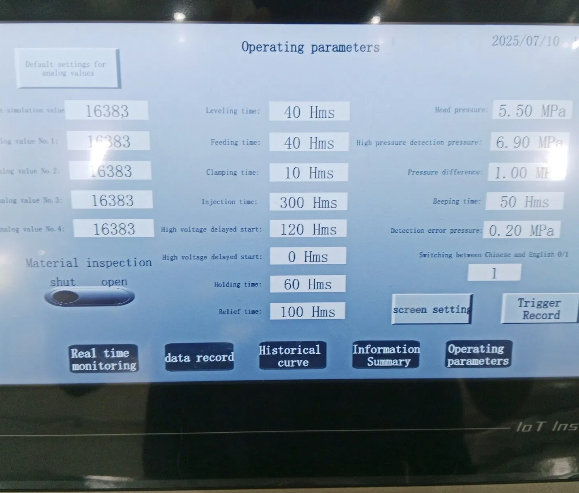
Modern Pipe pressure testing machine systems often include:
- PLC control
- automatic pressure curve recording
- pass/fail judgment
- data export
Hydro testing machines can have automation too — but many are still manual or semi-automatic depending on use case.
4. Application Scenario
Use a hydro testing machine when:
- you test multiple product types
- production is not continuous
- flexibility matters
Use a Pipe pressure testing machine when:
- your product is always pipes
- you need stable batch testing
- efficiency affects your profit
Why This Difference Impacts Your Purchase
Many buyers make a costly mistake:
They buy a general hydro testing machine… and try to use it like a pipe production machine.
This often leads to:
- slow testing speed
- frequent sealing problems
- inconsistent results
- higher labor cost
On the other hand, choosing a Pipe pressure testing machine aligned with your pipe size, pressure range, and output can:
- increase throughput
- reduce operator dependency
- improve test reliability
- strengthen export quality confidence
Practical Buying Checklist
Before you choose, confirm:
1. Pipe specifications
- diameter range
- length
- material (steel, stainless, etc.)
2. Test pressure
Hydro tests typically run at 1.3–1.5× working pressure for safety margin
3. Production volume
- small batch → hydro testing machine OK
- large batch → Pipe pressure testing machine recommended
4. Automation needs
- manual vs semi-auto vs fully automatic
5. Data requirement
- do you need reports for clients or certification?
Common Industry Misunderstanding
A “hydro testing machine for pipe” is often marketed — and yes, technically it’s correct.
But in real-world sourcing:
- Hydro testing machine = category name
- Pipe pressure testing machine = optimized solution
Knowing this helps you avoid confusion when comparing suppliers.
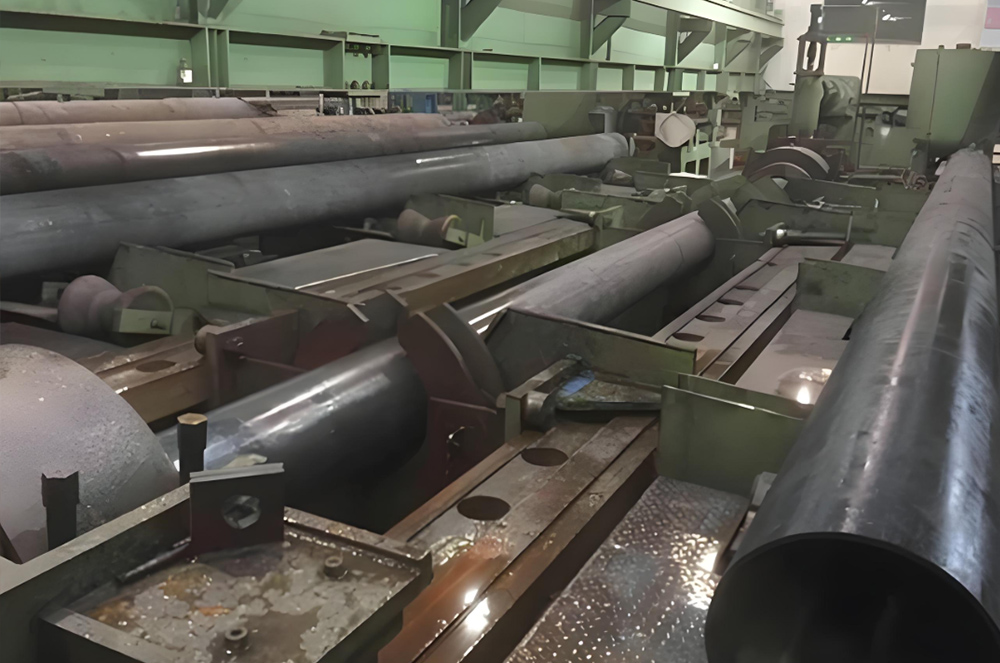
The difference between a Pipe pressure testing machine and a hydro testing machine is not just terminology — it’s about application focus and production efficiency.
- Hydro testing machine → broad, flexible, multi-purpose
- Pipe pressure testing machine → specialized, efficient, production-ready
If your business is pipe manufacturing, the right Pipe pressure testing machine will always deliver better long-term value.


