


 HOME
HOMEHydrostatic testing machine for automatic pipe inspection line integration
06 April 2026
As pipe manufacturing moves toward full automation, isolated testing equipment is no longer enough. Today, more factories are investing in a Hydrostatic testing machine that can be seamlessly integrated into an automatic pipe inspection line.
From our experience working with steel pipe producers across Asia and the Middle East, integrating a Hydrostatic testing machine into a continuous production line is no longer a “high-end option”—it’s becoming the new standard for competitive factories.
Why Integration Matters More Than Ever
Traditional testing setups often operate as standalone stations. Pipes are moved manually or semi-automatically, which leads to:
- Bottlenecks in production
- Increased labor costs
- Inconsistent testing cycles
- Higher risk of handling damage
By contrast, an integrated Hydrostatic testing machine connects directly with upstream and downstream systems such as:
- Pipe conveying systems
- End facing & beveling machines
- NDT inspection units
- Marking and packaging lines
The result is a smoother, faster, and more reliable production flow.
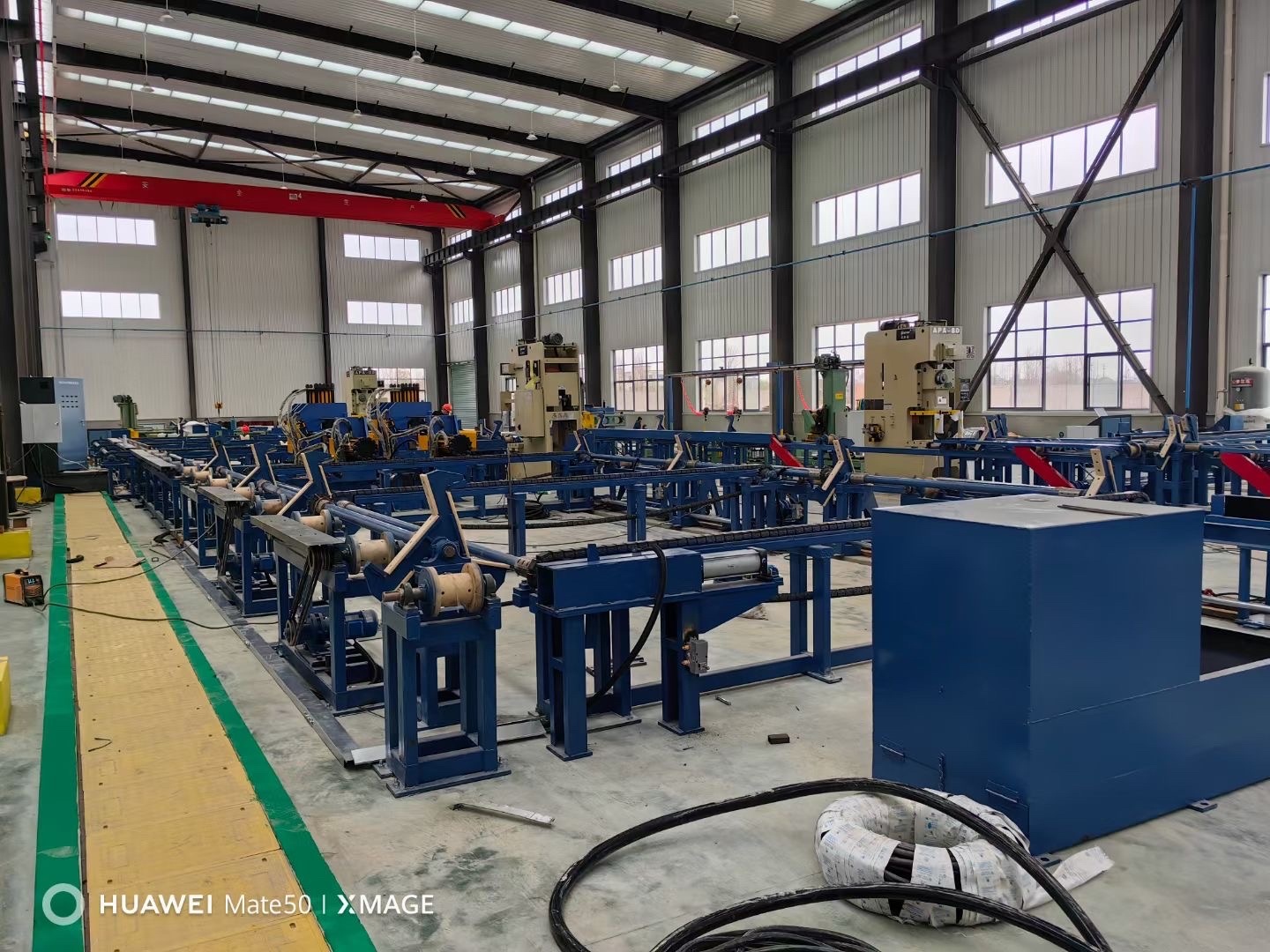
What Is an Integrated Hydrostatic Testing Machine?
An integrated Hydrostatic testing machine is designed to work as part of a fully automated pipe inspection line. It communicates with other equipment via PLC systems and synchronizes testing cycles with pipe movement.
Instead of stopping production for testing, the Hydrostatic testing machine becomes a continuous part of the workflow.
Key Features for Line Integration
When selecting a Hydrostatic testing machine for automatic inspection lines, these features are critical:
1. Full PLC Synchronization
The Hydrostatic testing machine must communicate with:
- Conveyors
- Pipe feeding systems
- Sorting units
This ensures precise timing and eliminates delays.
2. Automatic Pipe Positioning & Clamping
Manual alignment is not feasible in automated lines. A modern Hydrostatic testing machine includes:
- Auto-centering systems
- Servo-controlled clamping
- Diameter-adjustable sealing heads
3. High-Speed Testing Cycle
Cycle time directly impacts output. Integrated Hydrostatic testing machine systems are designed for:
- Rapid water filling
- Fast pressure build-up
- Efficient pressure release
4. Real-Time Data Feedback
Factories increasingly require data transparency. An advanced Hydrostatic testing machine provides:
- Instant pass/fail signals
- Data integration with MES/ERP systems
- Automatic report generation
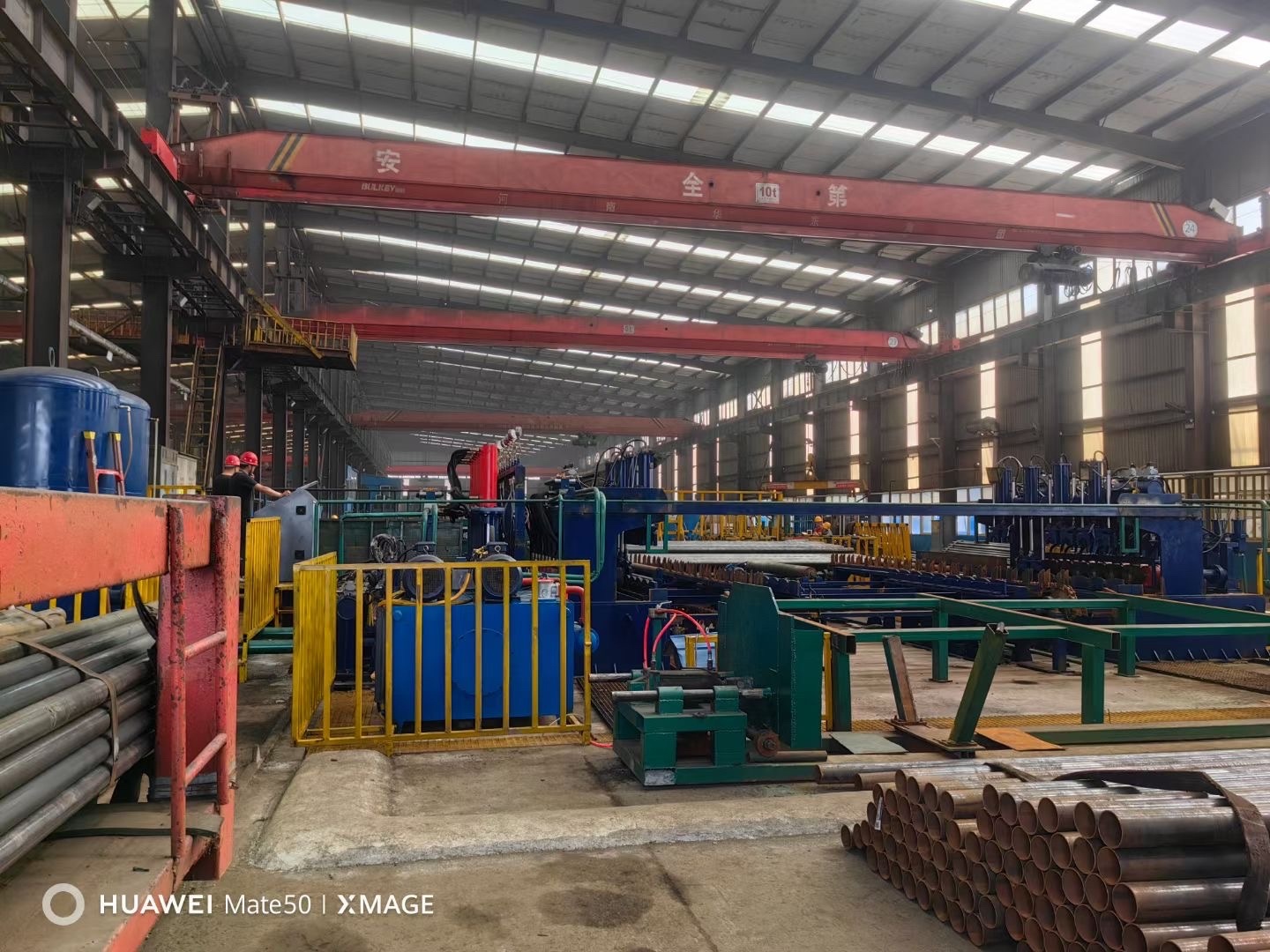
Typical Line Integration Layout
|
Process Stage |
Equipment Involved |
|
Pipe Feeding |
Roller Conveyor / Walking Beam |
|
Surface Cleaning |
Shot Blasting Machine |
|
Dimensional Inspection |
Laser Measurement System |
|
Pressure Testing |
Hydrostatic Testing Machine |
|
Marking |
Inkjet / Laser Marking System |
|
Sorting & Packaging |
Automatic Stacking System |
Real Factory Case: Efficiency Gains After Integration
One of our clients, a large steel pipe manufacturer, previously used a standalone Hydrostatic testing machine. Their challenges included:
- Frequent production delays
- High labor dependency
- Inconsistent testing speed
After upgrading to a fully integrated Hydrostatic testing machine, the results were clear:
- Production efficiency increased by 35%
- Labor costs reduced significantly
- Testing accuracy and consistency improved
Most importantly, they were able to meet stricter delivery timelines for export orders.
Standalone vs Integrated Hydrostatic Testing Machine
|
Feature |
Standalone Machine |
Integrated Machine |
|
Workflow |
Independent |
Fully synchronized |
|
Labor Requirement |
High |
Low |
|
Production Speed |
Moderate |
High |
|
Data Integration |
Limited |
Full MES/ERP connectivity |
|
Best For |
Small production lines |
Large automated factories |
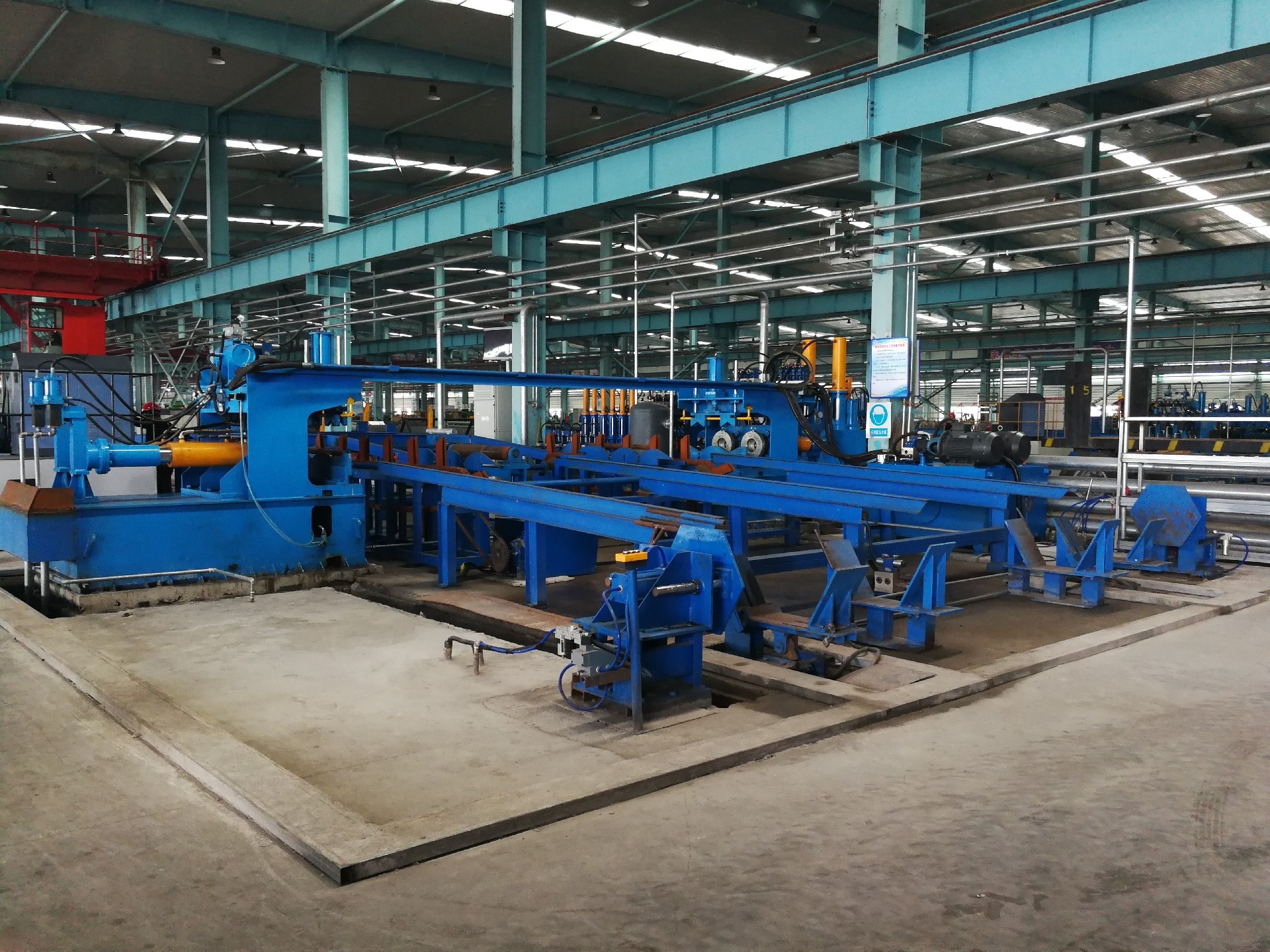
How to Choose the Right Hydrostatic Testing Machine for Integration
Before investing in a Hydrostatic testing machine, consider:
✔ Compatibility with your existing production line
✔ Required cycle time per pipe
✔ Pipe diameter and pressure range
✔ Level of automation needed
✔ Supplier experience in full line integration
A reliable supplier should not only provide the Hydrostatic testing machine, but also support layout design, installation, and commissioning.
In 2026, automation is no longer optional for pipe manufacturers aiming at global markets. Integrating a Hydrostatic testing machine into your inspection line is one of the most effective ways to improve efficiency, reduce costs, and ensure consistent quality.
Factories that invest early in integrated systems are already seeing stronger competitiveness and better customer trust.


