


 HOME
HOMECommon Questions About the hydro testing machine Answered
26 January 2026
When you’re new to pressure testing, or even if you’ve been doing it a while, a hydro testing machine raises a lot of questions. It’s a piece of equipment that looks simple at first glance — water in, pressure up, check for leaks — but once you dig deeper, you realize how many details really matter for safety, accuracy, and compliance. In this guide, we’ll tackle the most common questions about hydro testing machines in a clear, practical way that real engineers and technicians can understand.
1. What exactly is a hydro testing machine?
A hydro testing machine is equipment used to check the integrity of pressure vessels, pipes, and other components by filling them with liquid (usually water) and applying internal pressure that is higher than their intended working pressure. The test reveals leaks or weaknesses before the part enters service.
This method is often called hydrostatic testing or hydro test, and it’s widely used because water is incompressible, which makes failures less violent than gas-based tests.
2. Why is water used instead of air or other gases?
Water is used because it’s almost incompressible. If a pressure vessel or pipe fails during a test, water does not store a lot of energy. In contrast, compressed gas can behave like a spring and release energy violently if something breaks. That’s why hydrostatic testing with a hydro testing machine is generally safer than pneumatic testing and is the standard choice for most industrial pressure testing.
3. How much pressure should you apply during a hydro test?
A common rule of thumb is to test at around 1.3 to 1.5 times the maximum working pressure of the part being tested. This gives a safety margin above normal operating conditions and uncovers hidden flaws. For specific applications or regulations — such as DOT, ASME, or ISO standards — the exact percentage and procedure will vary.
4. How does a hydro testing machine detect leaks?
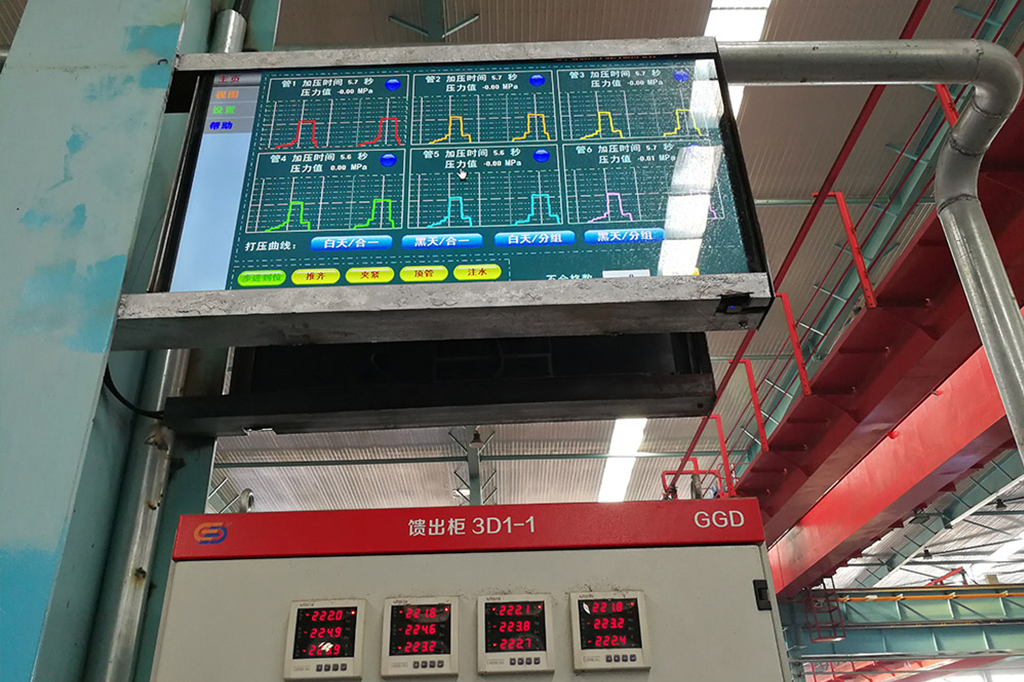
A hydro testing machine pressurizes the test object and then monitors for pressure drops or visible signs of water escaping. Modern machines often include:
-
Pressure gauges or digital sensors to track pressure over time
-
Data recording to capture pressure curve behavior
-
Visual or dye-enhanced inspection for small leaks
If pressure falls unexpectedly or water is seen on the exterior, the part needs repair or rejection.
5. How often should equipment be tested?
The frequency of hydrostatic testing depends on the type of equipment and regulations governing it. For pressure cylinders and tanks, many standards require periodic re-qualification every few years. Specific intervals (e.g., 3, 5, or 10 years) depend on the design, service conditions, and regional rules.
6. Are hydro testing machines automated?
Yes — many modern hydro testing machines come with automation features. These include programmable pressure ramps, hold times, touchscreen controls, and automatic logging of test results and pass/fail decisions. Automated machines reduce human error and improve consistency, especially in high-volume or production environments.
7. What are common problems when operating a hydro testing machine?
Even experienced technicians run into issues. Some common ones include:
-
Leaks around seals or fittings — often due to wear or improper tightening.
-
Pressure instability — caused by air in the lines or pump issues.
-
Inconsistent gauge readings — requiring calibration or sensor replacement.
Routine maintenance and careful setup go a long way toward reliable test results.
8. What types of equipment use hydro testing machines?
Hydro testing is used across many industries and components, including:
-
Pipes and pipelines for water, gas, or oil transport.
-
Pressure vessels and storage tanks.
-
Cylinders like gas, SCBA, or diving tanks.
-
Boilers, heat exchangers, and industrial machinery as part of fabrication testing.
Because hydro tests mimic real operating conditions, they are trusted checks before expensive installations.
9. Is a hydro testing machine dangerous to use?
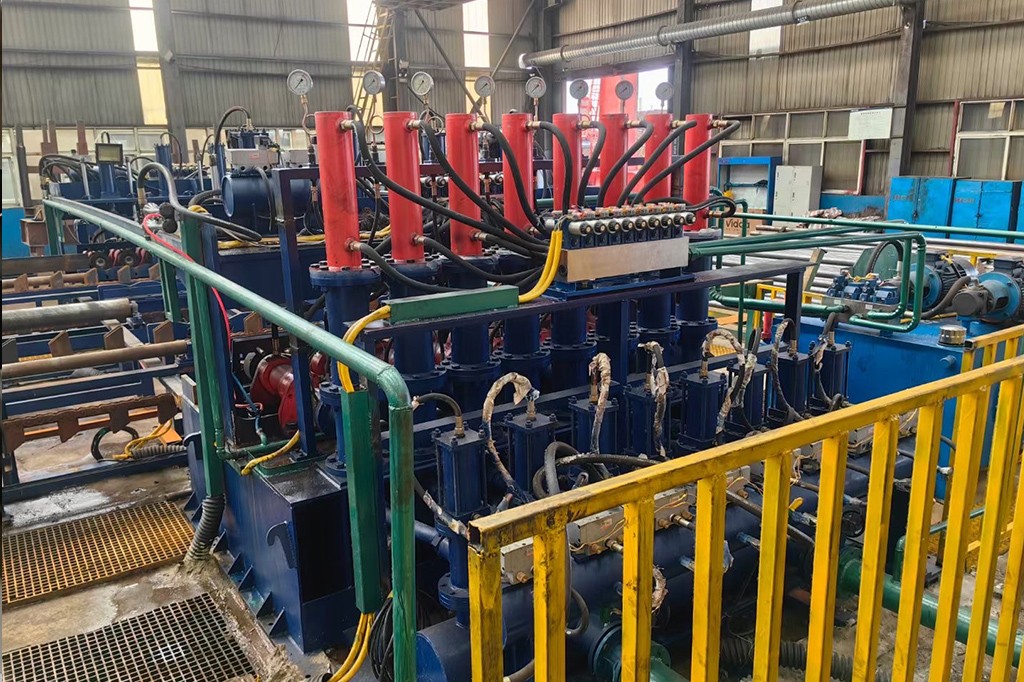
All pressure testing involves energy, but hydrostatic testing with a hydro testing machine is considered safer than pneumatic testing because water stores less energy. That said, equipment failure, incorrect pressure selection, or poor setup can still pose risks, so strict procedures and trained operators are essential.
10. What should I look for when choosing a hydro testing machine?
When selecting your next hydro testing machine, consider:
-
Pressure range — matching your maximum test requirements.
-
Automation and control features — for ease of use and consistency.
-
Compliance with relevant standards — such as ISO 9001 or ASME BPVC.
-
Build quality and service support — especially for industrial environments.
Good selection upfront pays dividends in uptime and accuracy.
Quick FAQ Summary Table
| Question | Short Answer |
|---|---|
| What is a hydro testing machine? | Equipment that pressurizes parts with liquid to test for leaks and strength. |
| Why use water? | It’s almost incompressible and safer than air. |
| How much pressure? | Typically 1.3–1.5× working pressure. |
| How do you detect leaks? | Pressure drop, visual checks, sensors. |
| How often to test? | Depends on regulations (often 3–10 years). |
| Automation available? | Yes, many systems are PLC or touchscreen controlled. |


