


 HOME
HOMEHydrostatic Testing Machine for Pipe: Basics and Overview
02 December 2025
If you work in pipe manufacturing, oil & gas, construction, or any business involving pressurized pipelines — you’ve likely heard of hydrostatic testing. It’s one of the most reliable ways to confirm that a pipe or pipeline can handle the pressure and is free from leaks. A hydrostatic testing machine makes this process systematic and repeatable, ensuring safety and quality before a pipe sees real use.
What is Hydrostatic Testing — in plain terms
At its core, a hydrostatic test means filling a pipe (or pressure vessel) with liquid — typically water — and pressurizing it to a predefined test pressure. Then the pressure is held for a specific time while the system is monitored for leaks or pressure drop. If pressure holds steady and no leaks are detected, the pipe passes. If pressure falls or water seeps out, the test fails.
Because water is nearly incompressible and safer compared to air or gas, hydrostatic testing remains the most common method for verifying strength and integrity of pipelines, pressure vessels, and other fluid-containing systems.
What Does a Hydrostatic Testing Machine Do — Typical Functions
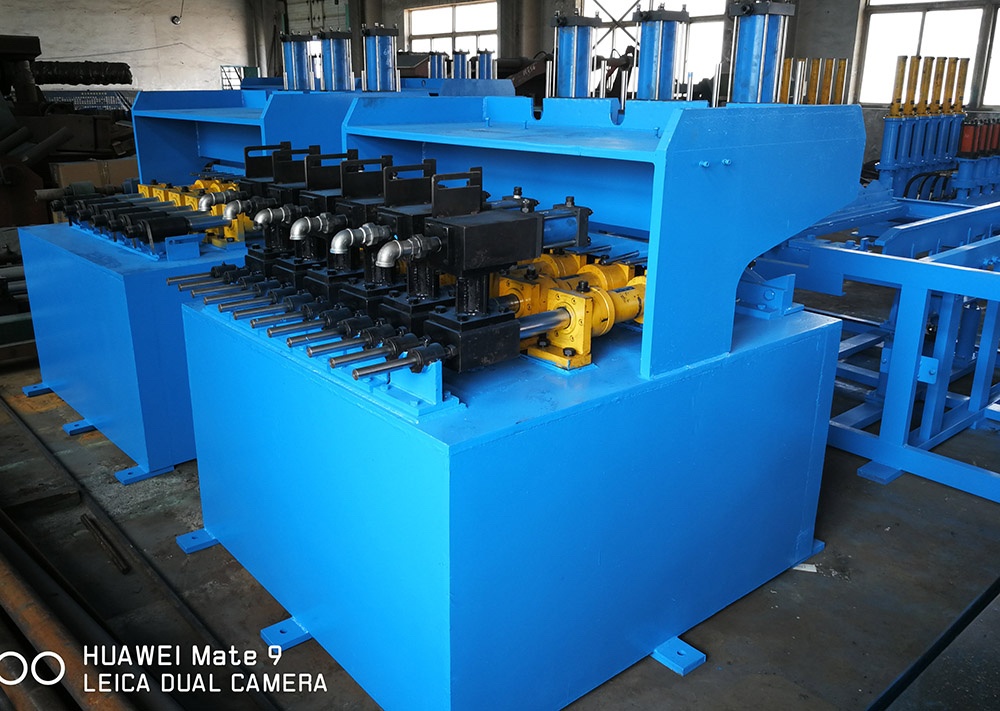
A hydrostatic testing machine is a specialized setup designed to streamline and standardize hydrostatic tests for pipes. Here’s what it typically does:
-
Fills the pipe with water (or another test fluid), removing air to avoid false readings. Proper air purging ensures accurate pressure distribution and avoids undetected leaks.
-
Applies controlled internal pressure via hydraulic or electric pump. The machine raises pressure gradually up to the required test level, avoiding sudden spikes that might damage the pipe.
-
Maintains pressure for a defined hold period. This “soak” time reveals whether the pipe and its joints can sustain pressure without leakage or deformation.
-
Monitors pressure and possibly temperature, logs data, and alerts for leaks or failures. Advanced machines may record the pressure curve, detect deviations, and automatically stop or flag failures.
-
Depressurizes and drains the system safely after test, then allows inspection for leaks or permanent deformation. At the end of the test, the pressure is reduced slowly to avoid damage.
Why Use Hydrostatic Testing Machines — Key Advantages
Using a hydrostatic testing machine — rather than manual or ad-hoc testing — brings significant benefits:
-
Standardized and repeatable testing: Machines enforce consistent test protocols, so every pipe is tested under the same conditions. That improves quality control and ensures compliance with standards.
-
High reliability and safety: Because water is incompressible, hydrostatic tests are safer than pneumatic (air) tests — the stored energy is low, reducing risk in case of failure.
-
Suitable for a wide range of pipes (plastic, steel, welded, seamless, etc.): Whether thermoplastic, composite, or metal pipes — hydrostatic machines can test many types, helping manufacturers cover diverse product lines.
-
Detects weaknesses before installation — avoiding costly failures: By pressurizing above normal operating pressure (often 1.5× design pressure), any weak welds, micro-cracks or manufacturing defects can be found — before pipes are put into service.Automated data logging and reporting: Modern machines record pressure curves, test duration, and failure events — offering traceable documentation for quality assurance, certification, or audits.
What to Consider — Limitations, Best Practices, and Safety
Hydrostatic testing is robust — but there are several important considerations to ensure valid results and safe operation:
-
Proper pre-test preparation — ensure all air is vented, pipe ends are sealed correctly, and test fluid is clean. Air pockets can cause false positives or missed leaks.
-
Correct pressure settings & hold times — test pressure is often chosen as a multiple (e.g. 1.5×) of the pipe’s design pressure; hold time must be sufficient to reveal leaks or weaknesses.
-
Appropriate fluid and temperature control — usually water is used; for special pipes or coatings, the fluid’s chemistry and temperature must be compatible, and after test, thorough drying may be needed to prevent corrosion (especially for metal pipes).
-
Documentation and traceability — recording test parameters, pressure curves, pass/fail results, operator data helps ensure conformity to standards and supports accountability.
-
Professional operation for large or high-pressure systems — high pressure testing can be dangerous if not handled properly; controlled pressurization and depressurization, use of relief valves, and clear safety protocols are essential.
Where Hydrostatic Pipe Testing Machines Are Used — Typical Industries & Applications
Hydrostatic testing machines find application across many sectors:
-
Steel pipe manufacturing (seamless, ERW, SAW pipes) — to verify weld integrity and ensure pressure-bearing capacity before delivery.
-
Plastic and composite pipe production (PVC, PE, PP, composite pipes) — to confirm long-term internal pressure resistance under constant pressure and temperature.
-
Water supply, gas distribution, plumbing systems — before installation to ensure safety, leak-free operation, and compliance.
-
Oil & gas pipelines, pressure vessels, industrial fluid transport systems — especially where high pressure, high safety standards, and compliance to international standards (e.g. API, ASTM) are required.
-
Quality control labs and testing institutions — for certification, compliance testing, R&D, and ensuring product reliability before market release.
Why Investing in a Good Hydrostatic Testing Machine Makes Sense
With consistent, standardised testing you reduce risk of leaks or failures in the field — which could lead to costly repairs, downtime, or even dangerous accidents. You ensure every pipe you ship or install meets pressure standards and is fit for service.
Modern hydrostatic testing machines — with automated pressure control, data logging, and flexible pipe-type support — make compliance easier. For manufacturers, that consistency supports ISO/ASTM/API certifications; for system owners/operators, it gives peace of mind.


