


 HOME
Why More Pipe Manufacturers Are Upgrading Their Hydro Testing Machine for Pipe
08 July 2026
The Decision to Upgrade Usually Starts on the Production Floor
Very few manufacturers replace a hydro testing machine for pipe simply because it's old.
Most upgrades happen after production teams begin noticing small changes that affect daily output. Testing cycles become slightly longer. Operators spend more time making adjustments. Maintenance interrupts production more often than it used to.
None of these problems is serious on its own.
Together, they reduce efficiency, increase operating costs, and make production planning less predictable.
For many pipe manufacturers, the decision to upgrade isn't driven by new technology. It's driven by the need for stable production and lower long-term operating costs.
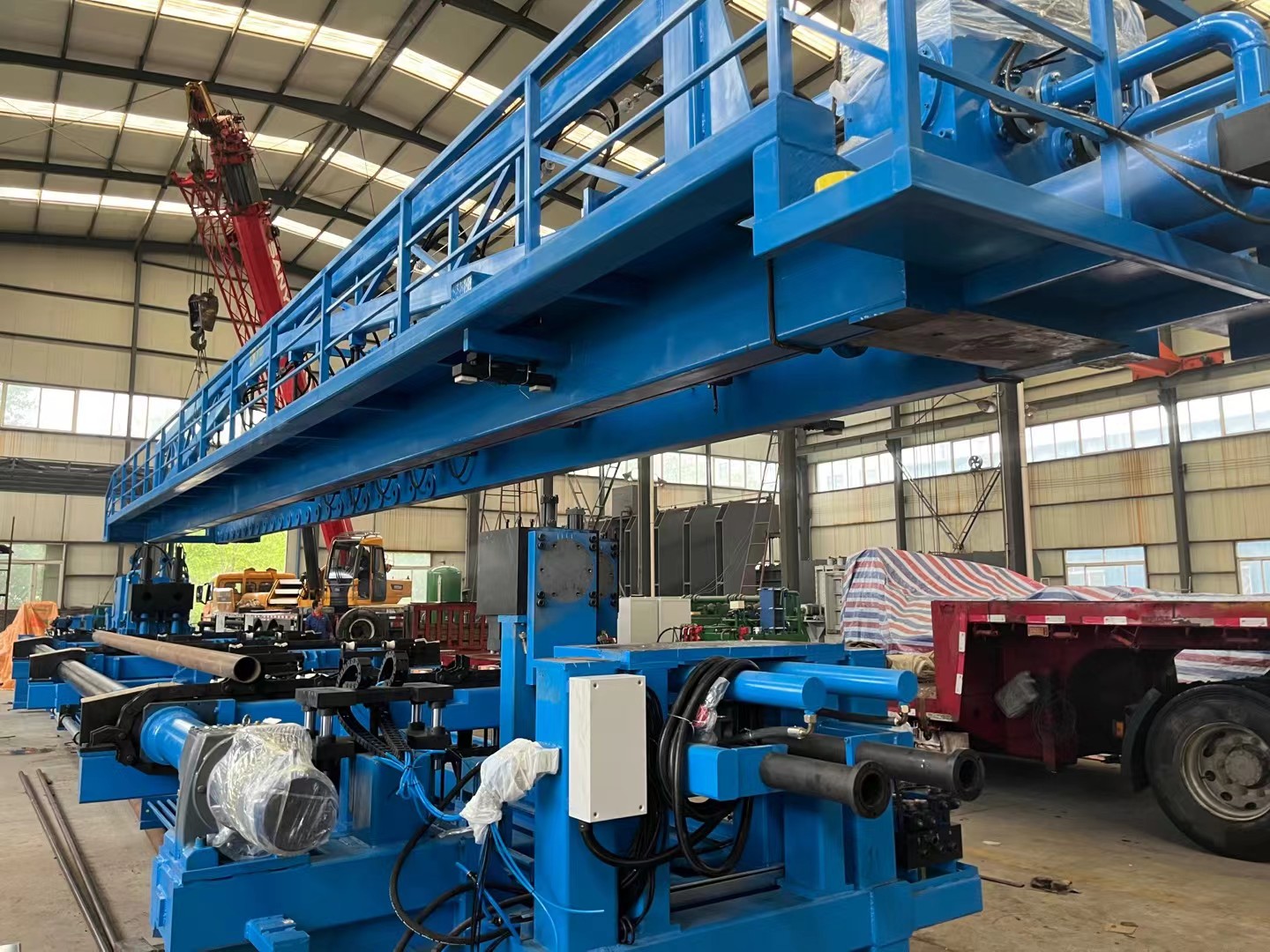
Production Requirements Have Changed Faster Than Many Testing Systems
A hydro testing machine installed ten years ago may still operate reliably.
That doesn't always mean it matches today's production requirements.
Pipe manufacturers are handling a wider range of pipe sizes, higher customer expectations, and shorter delivery schedules than before. Many production lines are also running longer shifts to meet growing demand.
Equipment designed for yesterday's workload often struggles to keep pace.
The result isn't necessarily machine failure. More often, it's slower testing, additional operator intervention, and reduced production efficiency.
Before investing in a new hydro testing machine for pipe, many manufacturers review how their production has changed—not just how their current machine performs.
The gap between those two answers often explains why an upgrade becomes necessary.
Downtime Is Becoming More Expensive Than Repairs
Maintenance has always been part of industrial production.
What has changed is the cost of stopping a production line.
A repair that once caused a short delay may now interrupt an entire day's production, especially when delivery schedules are tight or multiple processes depend on continuous pipe testing.
For this reason, many manufacturers evaluate testing equipment differently than they did a few years ago.
Instead of asking "How much does the machine cost?", they're asking:
- How often does production stop?
- How quickly can maintenance be completed?
- Are spare parts readily available?
- Does the machine keep performing consistently after thousands of testing cycles?
These questions reflect the real cost of ownership, not simply the purchase price.
Comparing Older and Modern Testing Equipment
|
Older Testing Systems |
Modern Hydro Testing Systems |
|
Longer testing cycles |
Faster, more consistent testing |
|
More manual adjustments |
Higher automation and stability |
|
Frequent maintenance interruptions |
Lower unplanned downtime |
|
Limited production flexibility |
Better adaptation to different pipe sizes |
|
Higher operating costs over time |
Lower total cost of ownership |
Upgrading Is No Longer About Buying the Newest Machine
Experienced manufacturers rarely upgrade equipment simply because newer technology is available.
They upgrade when the existing system no longer supports production goals.
That may mean increasing output without adding extra shifts. It may mean reducing operator workload, improving pressure stability, or lowering maintenance costs over the next several years.
The best investment isn't always the newest pipe hydro testing machine.
It's the one that matches current production requirements while providing enough flexibility for future growth.
What Manufacturers Look for Before Upgrading
Replacing a hydro testing machine for pipe isn't about choosing the most advanced model.
Most manufacturers focus on a few practical improvements.
They want shorter testing cycles, stable pressure control, lower maintenance requirements, and equipment that can adapt to different pipe specifications without frequent adjustments.
The goal is simple: keep production moving with fewer interruptions.
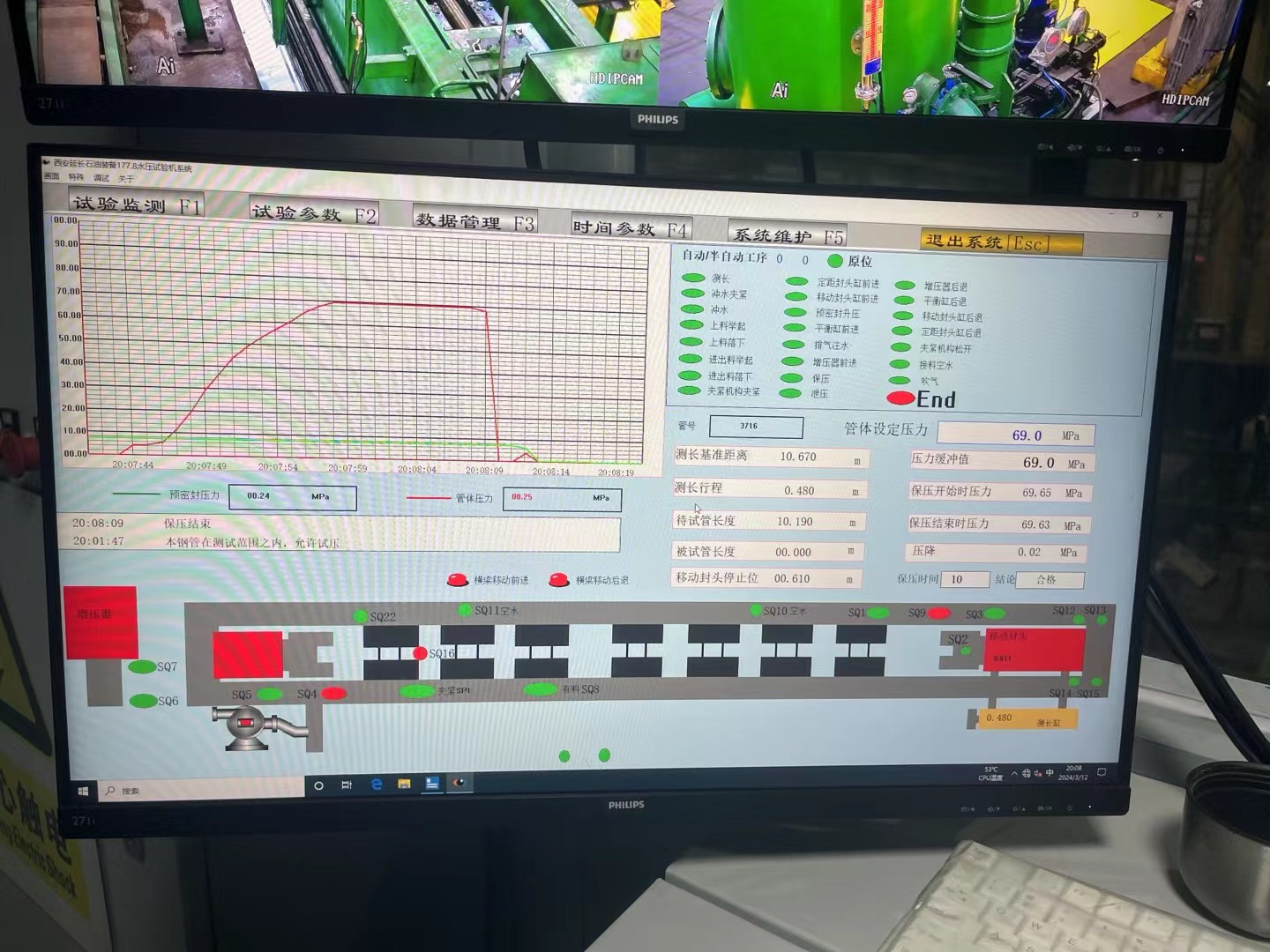
Engineer's Perspective
In many factories, the first sign that it's time to upgrade isn't a major breakdown.
It's the growing number of small problems.
Operators spend more time adjusting the machine. Maintenance becomes more frequent. Testing takes slightly longer than it used to.
Individually, these changes don't seem urgent.
Together, they gradually reduce production efficiency.
That's usually the point where manufacturers begin evaluating a replacement.
A Common Upgrade Mistake
Some companies replace equipment because a newer model offers more features.
Others wait until the existing machine begins affecting deliveries.
Neither approach is ideal.
The best time to upgrade is when production requirements have outgrown the machine—not when the machine has already become a problem.
Frequently Asked Questions
When should a hydro testing machine for pipe be upgraded?
When maintenance costs continue to rise, testing efficiency declines, or the machine can no longer support current production requirements.
Does upgrading always improve productivity?
Not automatically. The improvement depends on whether the new equipment matches your pipe sizes, testing pressure, and production capacity.
Is it better to upgrade or repair existing equipment?
If repairs become more frequent and downtime starts affecting production schedules, replacing the equipment is often the more economical long-term choice.
For most manufacturers, upgrading a hydro testing machine for pipe is a production decision, not simply an equipment purchase.
When testing becomes more consistent, maintenance is reduced, and production runs without unnecessary interruptions, the investment usually delivers value well beyond the initial purchase price.
Choosing equipment that matches today's production—and tomorrow's growth—is often the reason more pipe manufacturers are deciding to upgrade.


