


 HOME
Why Is Your Hydro Testing Machine for Pipe Losing Pressure?
29 June 2026
The phone call usually starts the same way.
"We're reaching test pressure, but we can't hold it."
For many pipe manufacturers, pressure loss inside a hydro testing machine for pipe immediately raises concerns about equipment failure. Operators start looking at pumps, valves, sensors, and control systems.
Sometimes they're right.
But surprisingly often, the real cause is somewhere else.
After years of troubleshooting hydro test lines, we've found that pressure loss is rarely caused by one major problem. More often, it's the result of a small issue that gradually developed and finally became noticeable during production.
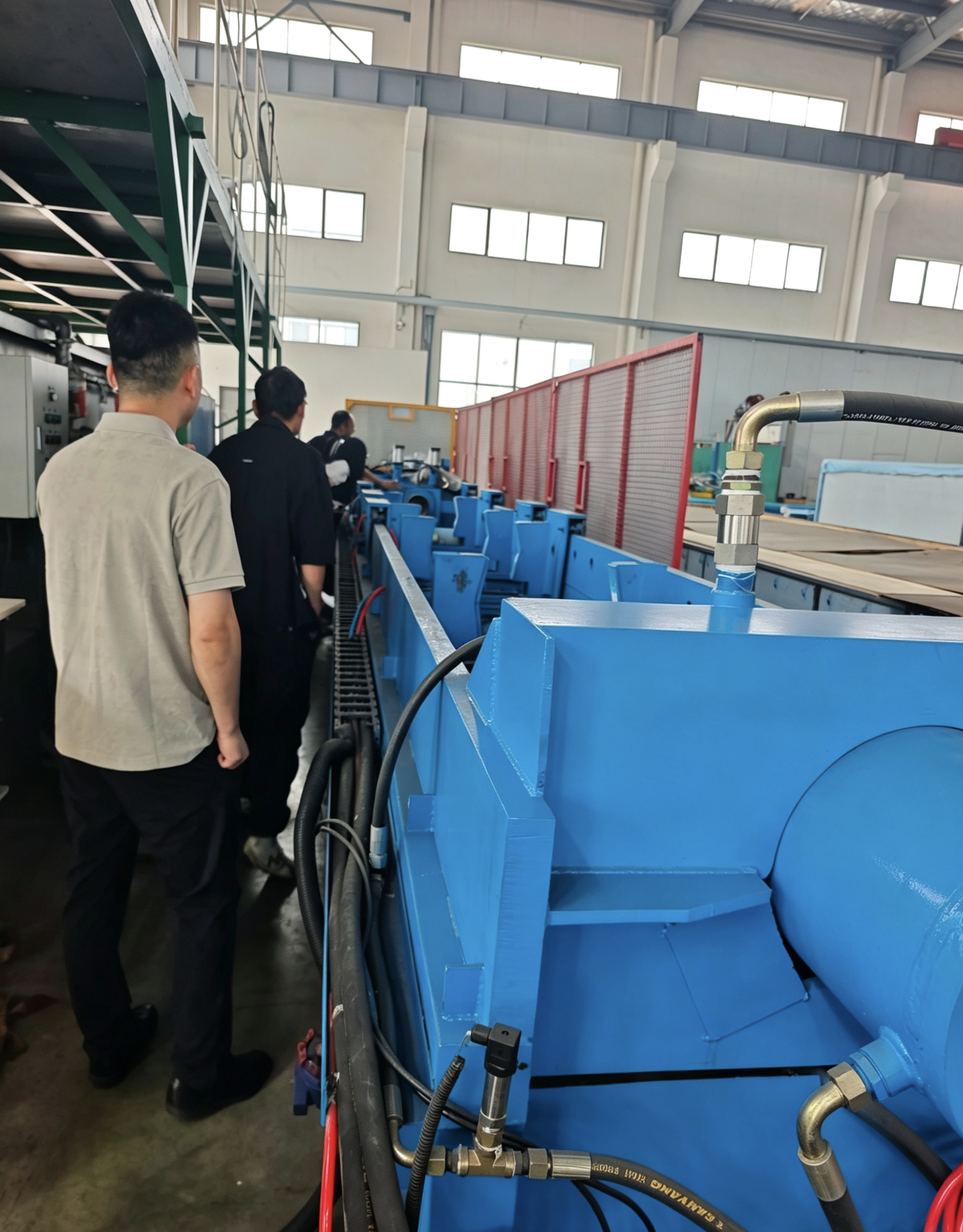
Before blaming the machine, look at the seals
One of the first things experienced maintenance teams inspect is the sealing system.
A hydro testing machine for pipe depends on a tight seal at both pipe ends. If sealing force becomes inconsistent, the machine may still reach target pressure but struggle to maintain it during the hold phase.
What's interesting is that seal wear doesn't always create visible leakage.
Sometimes the pressure simply drifts downward over several seconds.
Operators often assume the pressure system is unstable when the real issue is worn sealing material.
In one structural pipe mill, a week of pressure-loss troubleshooting ended with a seal replacement that took less than thirty minutes.
Trapped air creates problems that look like leaks
This is one of the most misunderstood causes of pressure instability.
When air remains inside the pipe before pressurization, pressure behavior becomes unpredictable.
The machine may appear to lose pressure even though no actual leakage exists.
We've seen situations where operators repeatedly adjusted pressure settings while the real issue was incomplete venting during pipe filling.
The lesson is simple:
Not every pressure drop indicates a leak.
Sometimes it indicates trapped air.
Pay attention to pressure loss patterns
The pattern often tells you more than the pressure value itself.
For example:
Immediate pressure drop
Usually points toward:
- sealing problems
- loose fittings
- obvious leakage
Slow pressure decay
Often suggests:
- seal wear
- valve leakage
- trapped air effects
Random pressure fluctuations
May indicate:
- sensor issues
- unstable water supply
- hydraulic control problems
Experienced technicians spend as much time observing the pressure curve as they do inspecting the equipment itself.
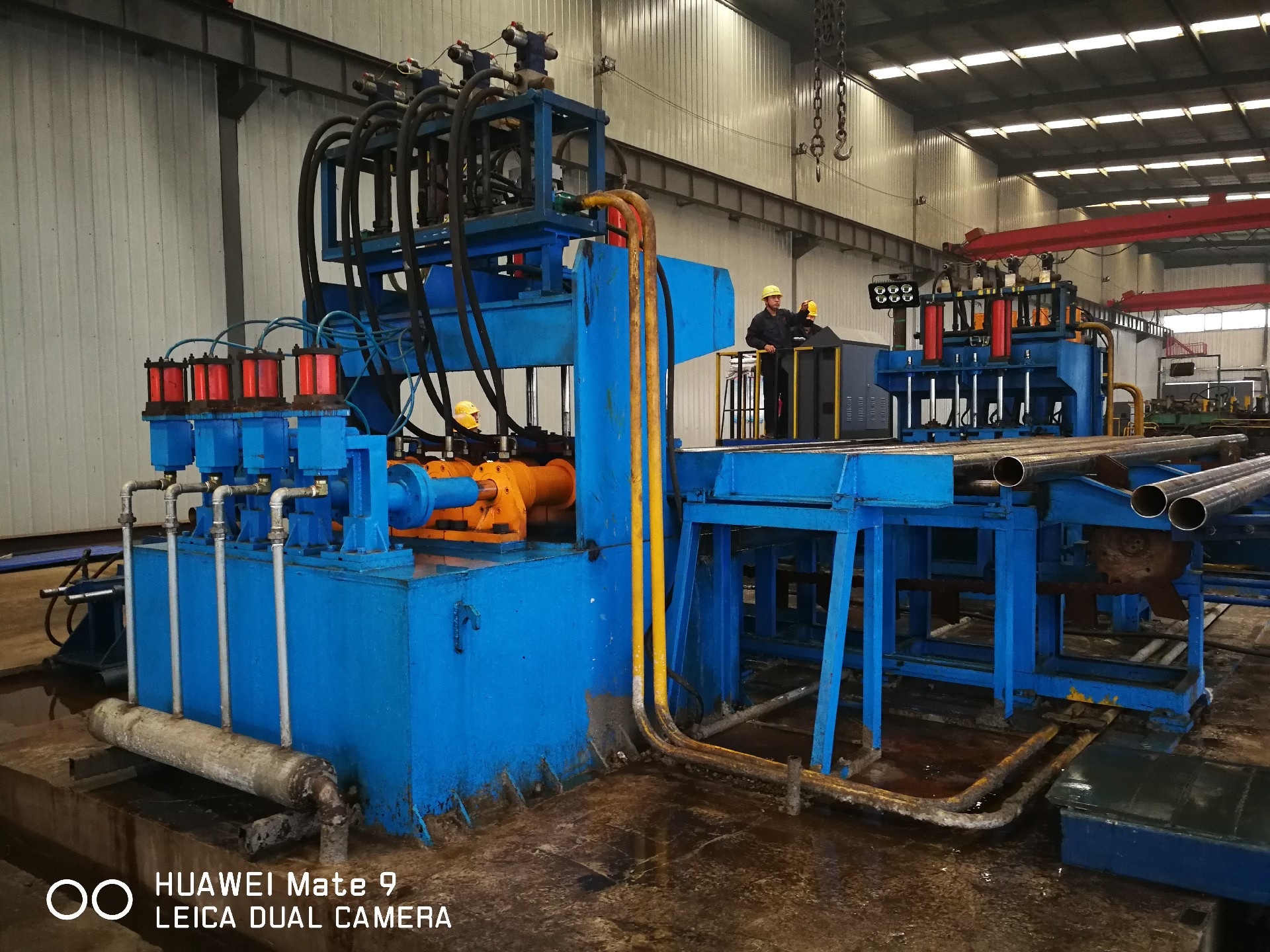
The problem may have started upstream
One interesting thing about a hydro testing machine for pipe is that it often reveals problems created elsewhere in production.
In one ERW pipe plant, pressure loss appeared only on a specific pipe diameter.
The testing machine was functioning normally.
After investigation, engineers discovered that inconsistent pipe-end preparation was preventing proper seal contact.
The machine wasn't creating the problem.
It was exposing it.
This happens more often than many manufacturers realize.
Check components that operators rarely suspect
When troubleshooting pressure loss, maintenance teams naturally focus on major equipment.
But some of the most common causes are surprisingly simple.
These include:
|
Component |
Common Issue |
|
Sealing Rings |
Wear, hardening, uneven contact |
|
Vent Valves |
Incomplete closure |
|
Hydraulic Connections |
Minor leakage under load |
|
Pressure Sensors |
Drift or calibration issues |
|
Water Supply Lines |
Air entering the system |
|
Pipe-End Surface |
Poor seal contact |
None of these failures look dramatic.
Yet any one of them can affect the performance of a hydro testing machine for pipe.
A small problem becomes expensive quickly
Pressure loss rarely stays a testing issue.
Eventually it becomes a production issue.
Retesting increases.
Cycle times slow down.
Operators begin adjusting settings to compensate.
Maintenance gets called repeatedly.
Before long, a small leak or worn seal has created hours of lost production.
The most successful pipe mills treat pressure instability as an early warning sign rather than a problem to work around.
What experienced operators look for first
Ask a veteran hydro test operator where they start troubleshooting and many will give the same answer:
"Look at what changed."
Did production switch pipe sizes?
Was maintenance performed recently?
Are different operators running the line?
Did a new batch of pipe enter production?
Pressure loss often appears suddenly, but the root cause usually started earlier.
Finding that change is often the fastest path to a solution.
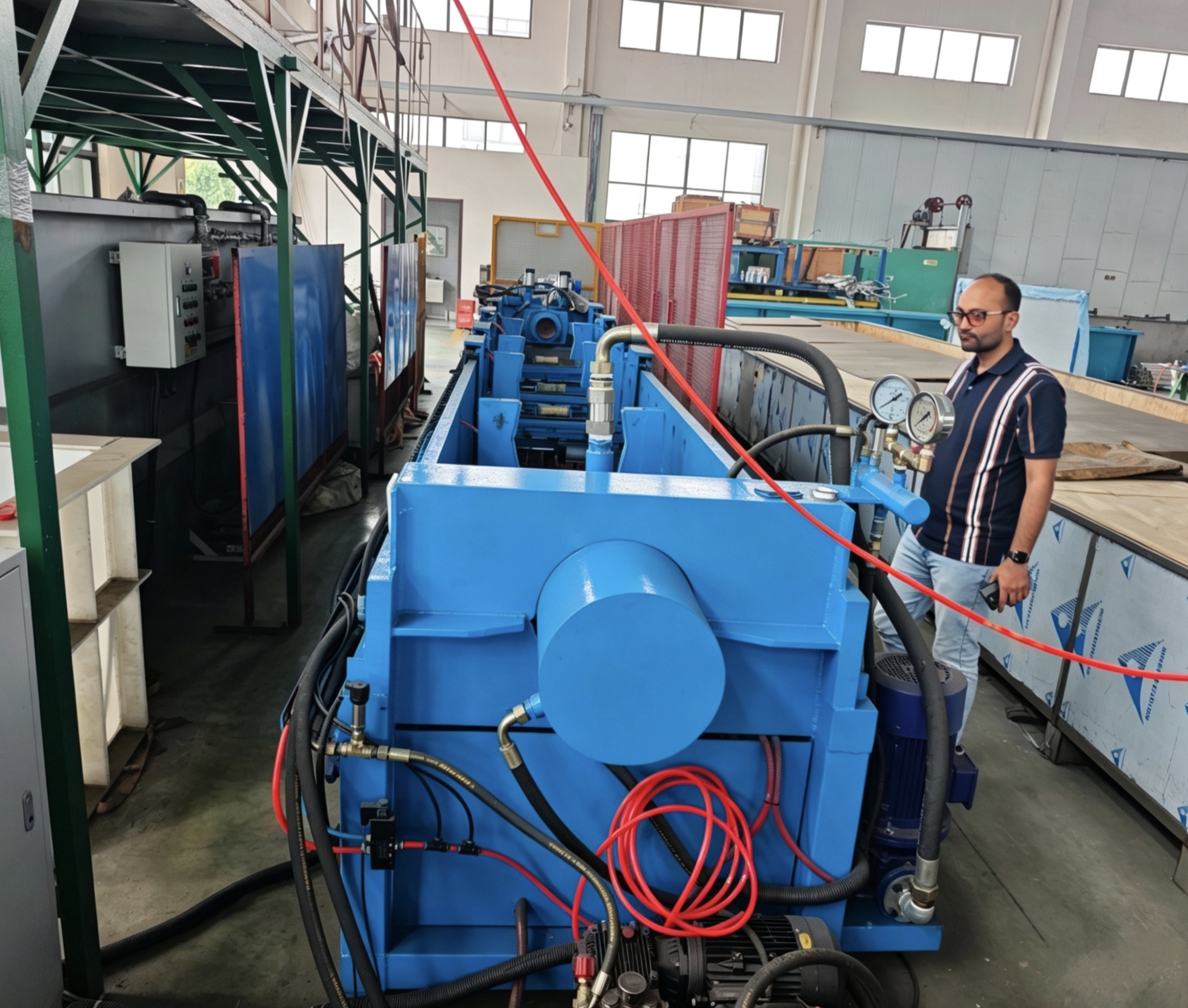
When a hydro testing machine for pipe begins losing pressure, the machine itself is not always the culprit.
In many cases, the cause is a worn seal, trapped air, a valve issue, or even a production variable that originated upstream.
The key is to investigate systematically rather than immediately replacing components.
Most pressure-loss problems leave clues long before they become serious enough to stop production.
The operators and maintenance teams who recognize those clues early are usually the ones who spend the least time dealing with unexpected downtime.


