


 HOME
Why Hydrostatic Testing Machines Give a Hidden Competitive Advantage in High-Pressure Pipe Production
17 June 2026
As industrial projects continue to move toward higher operating pressures, manufacturers are facing greater challenges in quality assurance. Industries such as oil and gas, power generation, petrochemical processing, and hydrogen transportation increasingly require pipes and tubes that can perform safely under extreme pressure conditions.
For many producers, investing in a reliable hydrostatic testing machine has become an important step toward meeting customer expectations and maintaining competitiveness in the global market.
Why High-Pressure Testing Matters
High-pressure applications leave little room for error. Even small defects that may go unnoticed during production can become critical failures once a pipe is placed into service.
This is why hydrostatic pressure testing remains one of the most trusted methods for verifying product integrity before shipment.
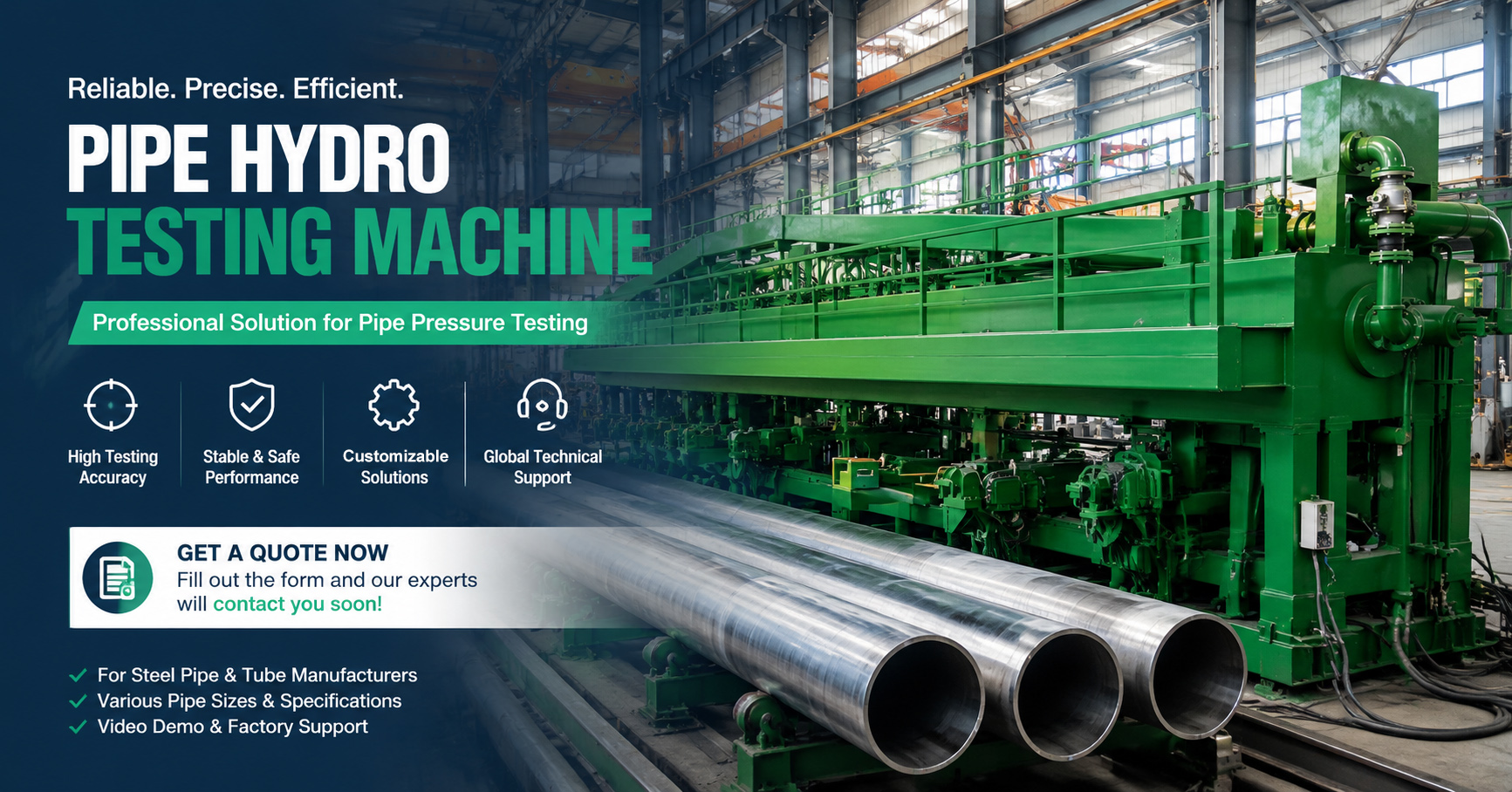
A modern hydrostatic testing machine allows manufacturers to simulate real operating conditions by filling the pipe with water and applying pressure well above its intended working level. The process helps identify leaks, material defects, and manufacturing inconsistencies before products reach the customer.
Increasing Requirements from Global Buyers
In recent years, purchasing managers have become more focused on testing documentation and traceability. Customers are no longer satisfied with a simple pass-or-fail result. They increasingly request complete pressure records, testing reports, and production data.
As a result, many manufacturers are replacing older systems with automated Hydrostatic Testing Machine solutions that provide digital monitoring and automatic report generation.
Typical requirements include:
|
Item |
Customer Expectation |
|
Pressure Accuracy |
Stable and repeatable |
|
Test Records |
Digital reports |
|
Traceability |
Product tracking |
|
Safety |
Automatic protection systems |
|
Productivity |
Fast testing cycles |
A Practical Example from a Steel Tube Mill
A stainless steel tube producer supplying products for refinery projects recently upgraded its testing department. The company had experienced production bottlenecks caused by manual testing procedures and inconsistent record keeping.
After installing an automated Hydrostatic Testing Machine, testing capacity increased significantly while reducing operator involvement. More importantly, the company was able to provide complete testing documentation during customer audits.
According to the plant's quality manager, the biggest improvement was not higher testing pressure but better consistency.
“Customers want confidence,” he explained. “If every test can be recorded and verified, approvals become much easier.”
Key Features to Consider
When evaluating a Hydrostatic Testing Machine, manufacturers should focus on long-term reliability rather than initial purchase cost.
Several features have become particularly important:
- Precise pressure control
- Automatic pressure holding
- Real-time monitoring
- Digital test reports
- Leak detection systems
- PLC-based operation
- Safety interlock protection
These functions help improve testing accuracy while reducing production downtime.
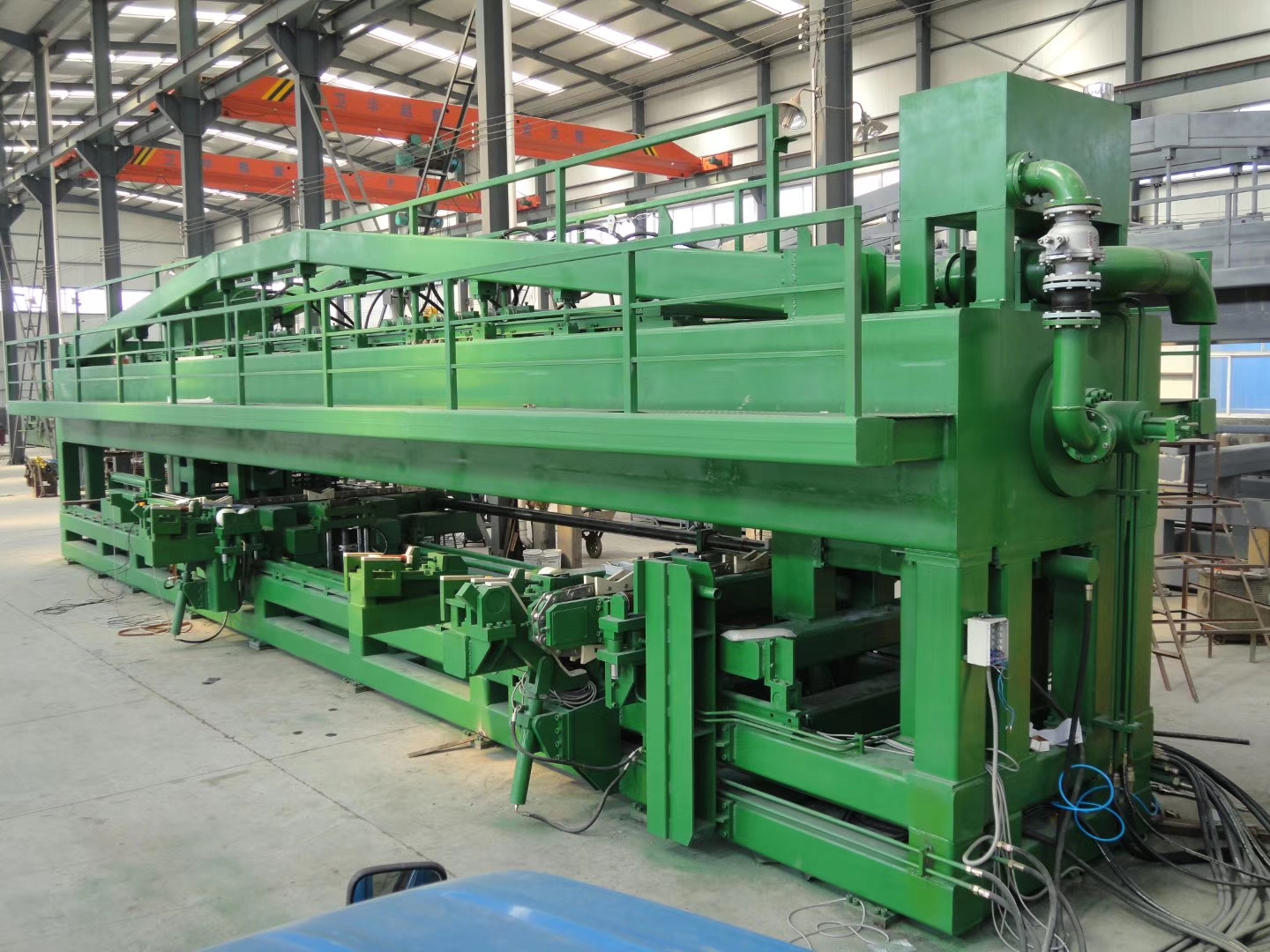
As project specifications become more demanding, pressure testing technology continues to evolve. Modern Hydrostatic Testing Machine systems are increasingly integrated with smart manufacturing platforms, allowing production data to be stored, analyzed, and shared across multiple departments.
For manufacturers serving critical industries, reliable testing is no longer simply a quality control requirement. It is an important factor in winning new contracts, passing customer audits, and building long-term trust.Companies that invest in advanced testing capabilities today will be better positioned to meet the demands of tomorrow's high-pressure applications.


