


 HOME
HOMEPipe Pressure Testing Equipment: How to Increase Testing Accuracy
05 June 2026
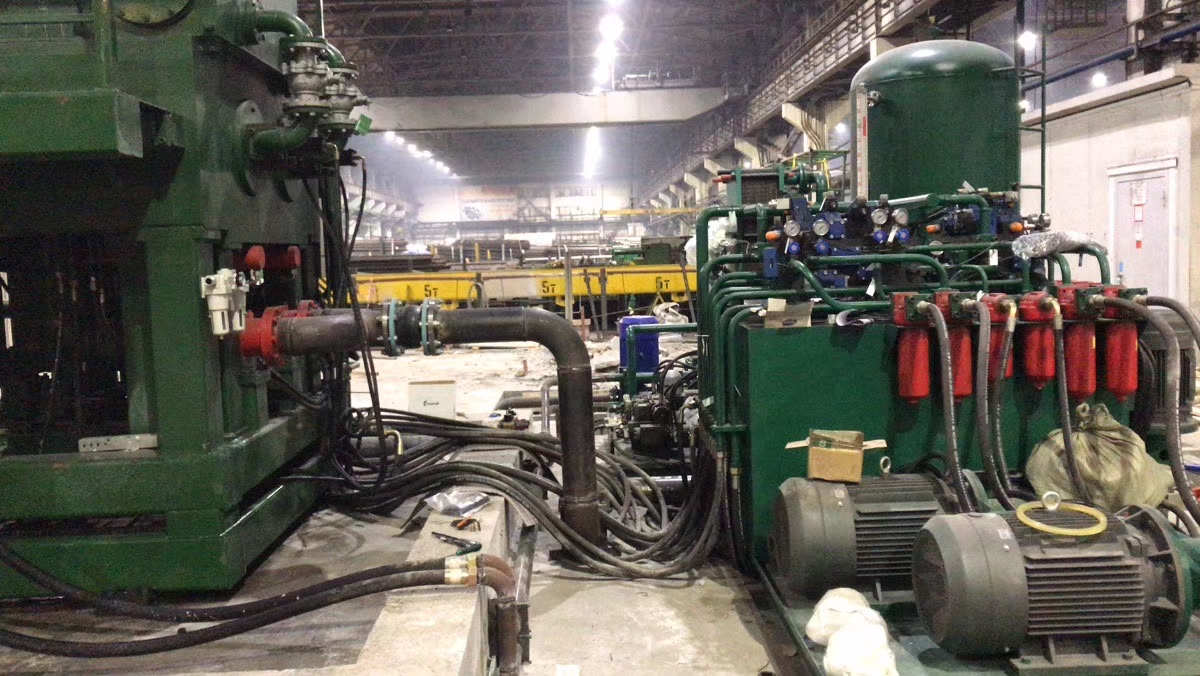
In modern steel pipe production, testing accuracy has become more important than ever. Whether the pipe is used for oil transportation, water systems, gas projects, or industrial pipelines, customers expect stable quality and reliable pressure performance.
This is why many factories are focusing on improving the accuracy of their Pipe pressure testing equipment. A small testing error can lead to incorrect results, unnecessary pipe rejection, or even hidden quality risks leaving the factory.
In actual workshop production, testing accuracy is not controlled by one single factor. It depends on machine condition, sealing performance, pressure stability, operator experience, and daily maintenance.
Why Testing Accuracy Matters
The main job of Pipe pressure testing equipment is to confirm whether a pipe can safely hold a required pressure without leakage or failure.
If the testing result is inaccurate:
- Qualified pipes may be rejected
- Defective pipes may pass inspection
- Production efficiency may drop
- Customer trust may be affected
For export manufacturers, accurate testing records are especially important because overseas buyers often require stable quality documentation and traceable pressure data.
Common Factors That Affect Accuracy
|
Factor |
How It Affects Testing |
|
Worn sealing heads |
Causes pressure leakage |
|
Sensor calibration drift |
Creates incorrect readings |
|
Air inside the pipe |
Makes pressure unstable |
|
Pump instability |
Pressure rises unevenly |
|
Poor pipe positioning |
Affects sealing performance |
|
Dirty water system |
Damages valves and pumps |
Most Pipe pressure testing equipment problems start from these basic issues rather than major machine failures.
1. Keep the Sealing System Stable
In many factories, sealing problems are one of the biggest reasons for inaccurate testing.
When sealing rings become worn or damaged, water leakage appears around the pipe ends. Even a small leak can affect pressure holding results.
Experienced operators usually:
- Inspect sealing rings daily
- Clean pipe ends before testing
- Replace worn seals early
- Check sealing force regularly
A stable sealing system helps the Pipe pressure testing equipment maintain more reliable pressure during the entire testing cycle.
2. Calibrate Pressure Sensors Regularly
Pressure sensors directly affect the final test result. If the sensor reading is inaccurate, the machine may show the wrong pressure value even when the pipe condition is normal.
This is why professional factories schedule regular sensor calibration for their Pipe pressure testing equipment.
Common warning signs include:
- Pressure values jumping suddenly
- Different readings on repeated tests
- Pressure curve instability
- Data mismatch between systems
Regular calibration improves both testing consistency and customer confidence.
3. Remove Air from the System Completely
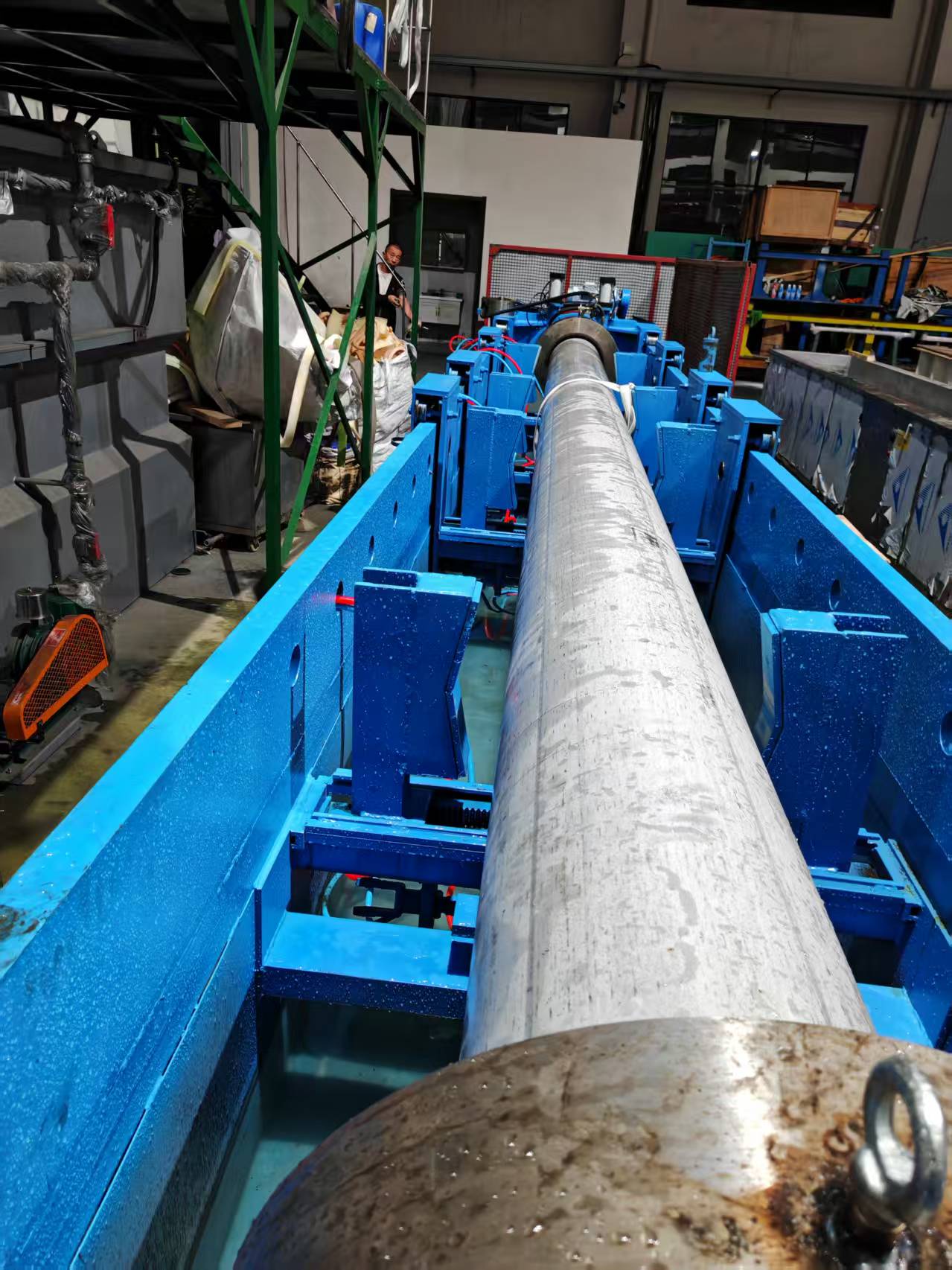
One common mistake in pipe testing is incomplete water filling.
If air remains inside the pipe, pressure readings may fluctuate during testing. In some cases, the machine may even mistakenly judge a qualified pipe as defective.
Before starting the test, operators should make sure:
- The pipe is fully filled with water
- Air has been released completely
- The water flow remains stable
Many experienced technicians believe proper venting is one of the simplest ways to improve Pipe pressure testing equipment accuracy.
4. Maintain Stable Pump Performance
The pressure pump is the core power source of the entire testing system.
If the pump becomes unstable, pressure may rise too slowly or fluctuate during holding time. This directly affects testing precision.
To keep the Pipe pressure testing equipment running smoothly, factories usually:
- Check oil condition regularly
- Monitor pump vibration
- Inspect hydraulic components
- Clean water filters
- Avoid continuous overload operation
Good pump maintenance often improves both machine life and testing reliability.
5. Improve Operator Experience
Even with advanced automation, operator experience still matters.
A skilled worker can often notice problems before alarms appear. Small details such as pipe alignment, unusual sound, or water leakage can help prevent larger testing errors later.
Modern automatic Pipe pressure testing equipment reduces manual work, but experienced operators still play a major role in maintaining stable testing quality.
Automation Is Improving Testing Accuracy
Today, more factories are upgrading to intelligent Pipe pressure testing equipment systems with:
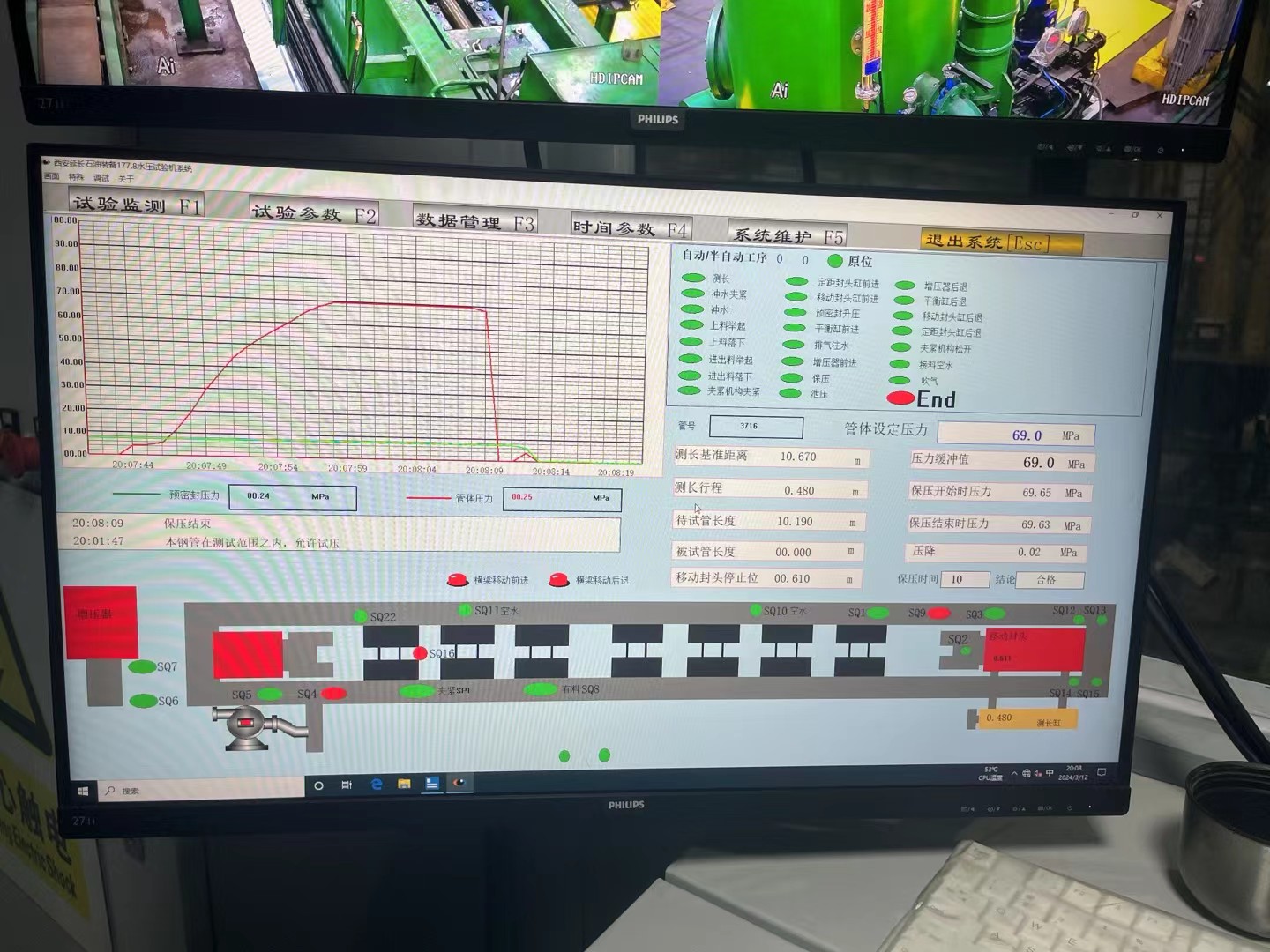
- PLC automatic control
- Digital pressure recording
- Real-time monitoring
- Automatic leakage detection
- Data storage systems
These technologies help reduce human error and improve testing consistency, especially in high-volume pipe production lines.
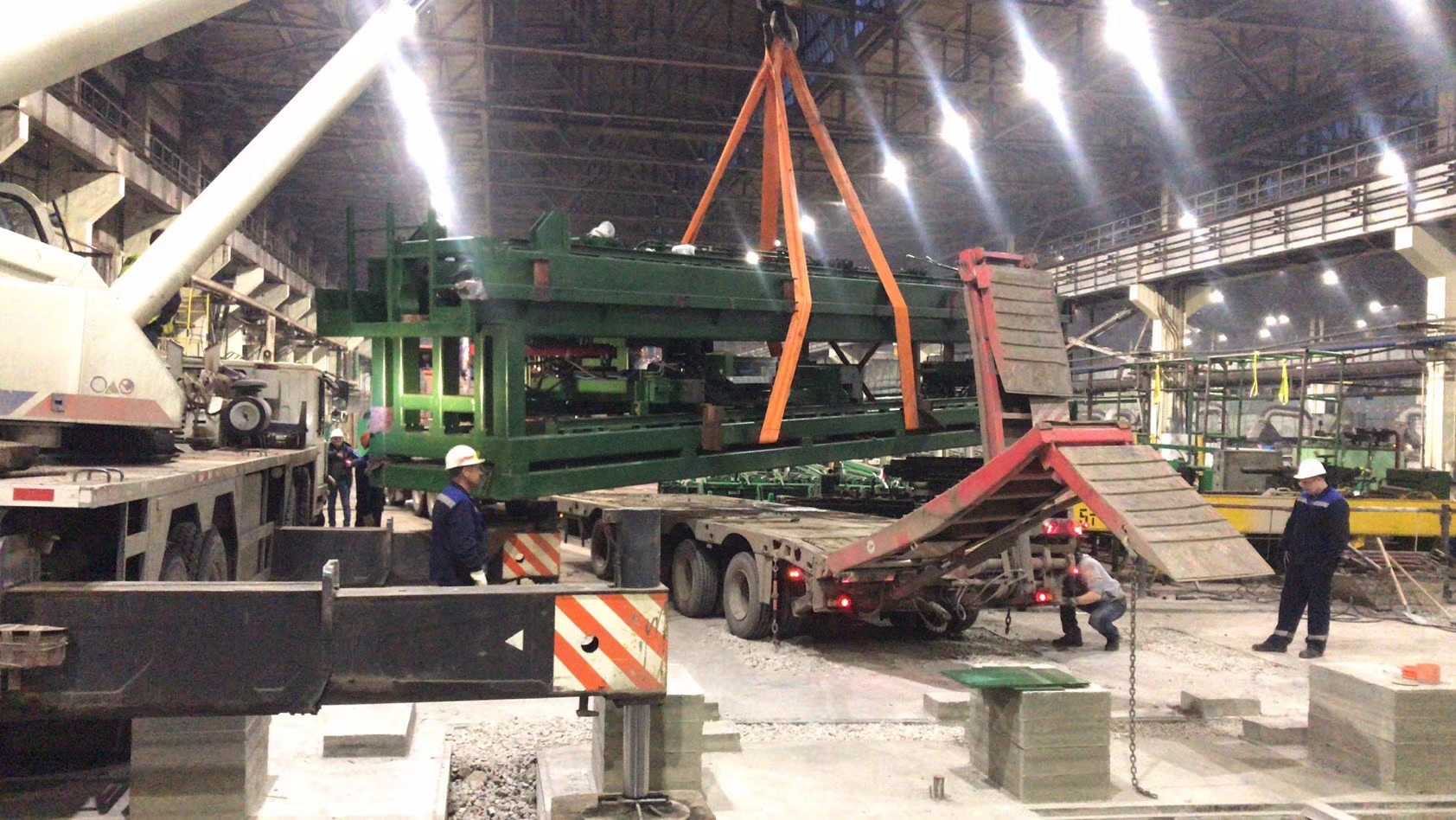
Improving testing accuracy is not only about buying more advanced equipment. In real factory production, the accuracy of Pipe pressure testing equipment depends on proper maintenance, stable sealing, reliable sensors, clean water systems, and experienced operation.
Factories that focus on these details usually achieve:
- Lower rejection rates
- More stable production
- Better export quality
- Higher customer trust
For modern pipe manufacturers, accurate pressure testing is becoming one of the most important competitive advantages in the industry.


