


 HOME
Why Pipe pressure testing machine pressure is unstable and how to fix it
10 April 2026
If you’ve ever faced unstable pressure during testing, you know how frustrating it can be. A pipe pressure testing machine is supposed to deliver stable and accurate pressure — but in real factory environments, fluctuations happen more often than expected.
So why does a pipe pressure testing machine show unstable pressure? And more importantly, how can you fix it quickly without stopping production?Based on real-world industrial cases and on-site troubleshooting experience, we will now explain the root causes of pressure instability and provide practical solutions.
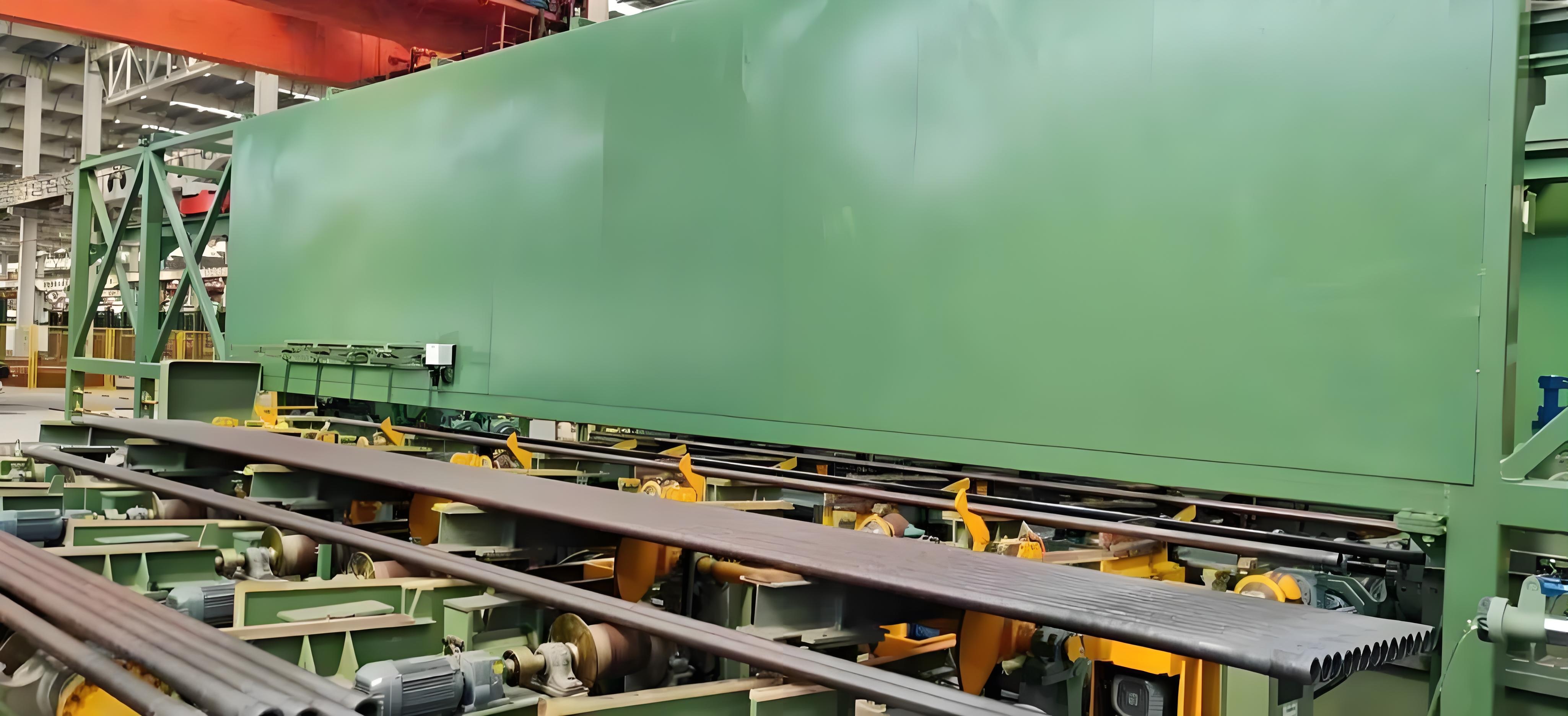
What Does “Unstable Pressure” Mean?
In a normal pipe pressure testing machine, pressure should:
- Increase smoothly
- Stay stable at the target value
- Drop in a controlled way after testing
If you notice:
- Pressure fluctuations
- Sudden drops
- Inability to reach target pressure
Then your pipe pressure testing machine has a stability issue.
Main Causes of Unstable Pressure
1️⃣ Air Inside the System
Air trapped in the pipeline or system is one of the biggest reasons for unstable pressure.
- Causes pressure lag
- Creates fluctuation during testing
- Leads to inaccurate results
In real cases, excess air in pipelines is a frequent cause of failed pressure tests
2️⃣ Leakage in Pipes or Connections
Even a small leak can cause continuous pressure drop.
Common leak points:
- Pipe joints
- Sealing rings
- Valves
Leaks or poor sealing prevent pressure from building properly
3️⃣ Hydraulic System Problems
A pipe pressure testing machine relies heavily on hydraulic stability.
Typical issues include:
- Pump wear
- Internal leakage
- Valve malfunction
Worn pumps or faulty valves can directly cause unstable pressure output
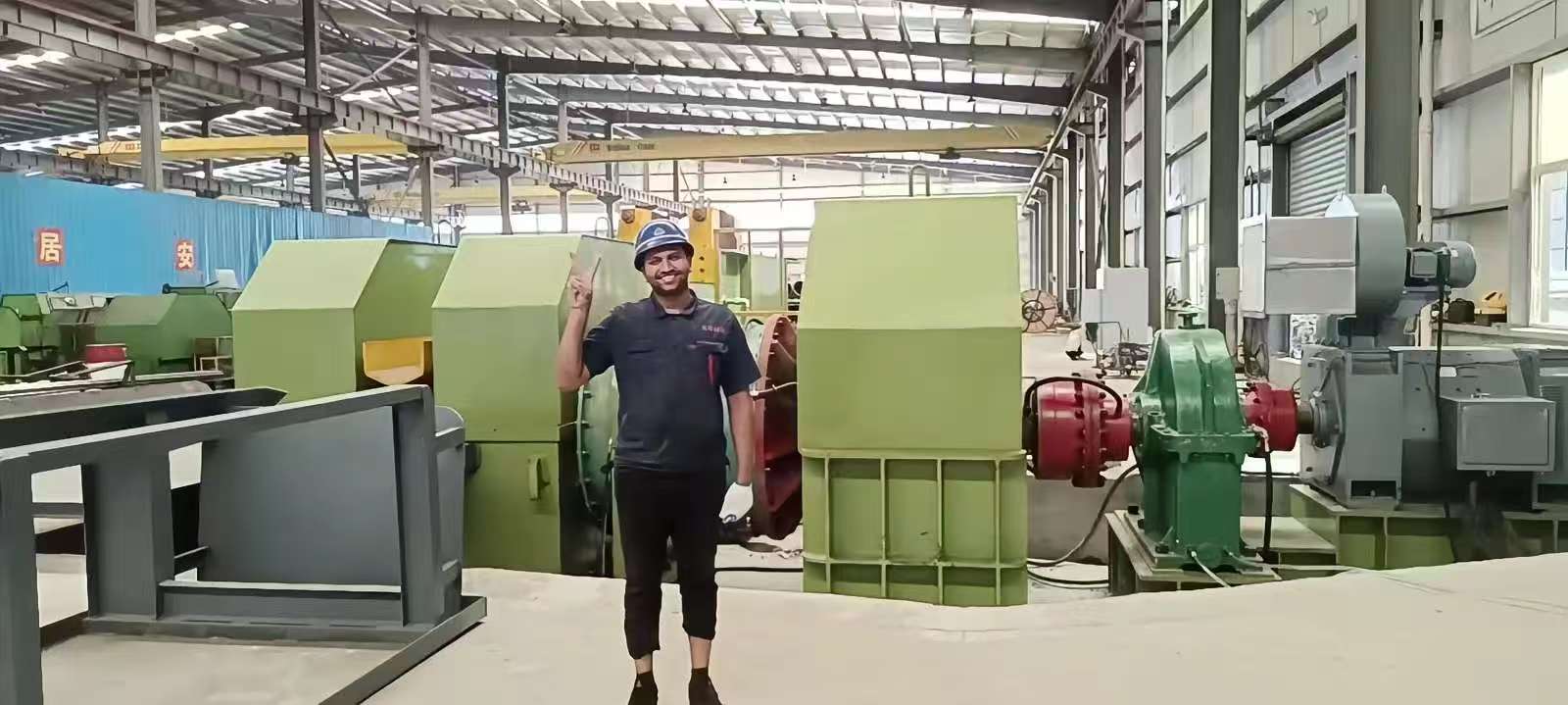
4️⃣ Pressure Relief Valve Failure
If the relief valve:
- Opens too early
- Gets stuck
- Is incorrectly set
The pressure will fluctuate or fail to hold steady
5️⃣ Oil Contamination or Wrong Viscosity
Hydraulic oil condition matters more than many people think.
Problems include:
- Dirty oil blocking valves
- Low viscosity causing leakage
- High viscosity slowing response
Contaminated oil can cause pressure instability and system inefficiency
6️⃣ Temperature Changes
Temperature affects pressure behavior:
- High temperature → pressure drops
- Low temperature → pressure builds slowly
Thermal changes can cause expansion and pressure variation
7️⃣ Faulty Pressure Gauge or Sensor
Sometimes the problem is not the machine — it's the measurement.
Common issues:
- Gauge vibration
- Sensor damage
- Inaccurate readings
Quick Troubleshooting Guide
|
Problem |
Possible Cause |
Solution |
|
Pressure cannot reach target |
Air in system |
Remove air, refill system |
|
Pressure drops slowly |
Leak in pipe or seals |
Check joints and sealing |
|
Pressure fluctuates rapidly |
Valve or pump issue |
Inspect hydraulic system |
|
Pressure unstable after long use |
Oil overheating |
Replace or cool hydraulic oil |
|
Gauge shows inconsistent values |
Sensor problem |
Replace pressure gauge |
Step-by-Step Fix Method
Step 1: Check for Air
- Fully fill the pipeline
- Remove trapped air
Step 2: Inspect Leakage Points
- Check all connections
- Tighten fittings
- Replace damaged seals
Step 3: Test Hydraulic System
- Inspect pump condition
- Check valves for blockage
- Monitor pressure curve
Step 4: Replace or Clean Oil
- Use proper hydraulic oil
- Clean filters
- Maintain oil quality
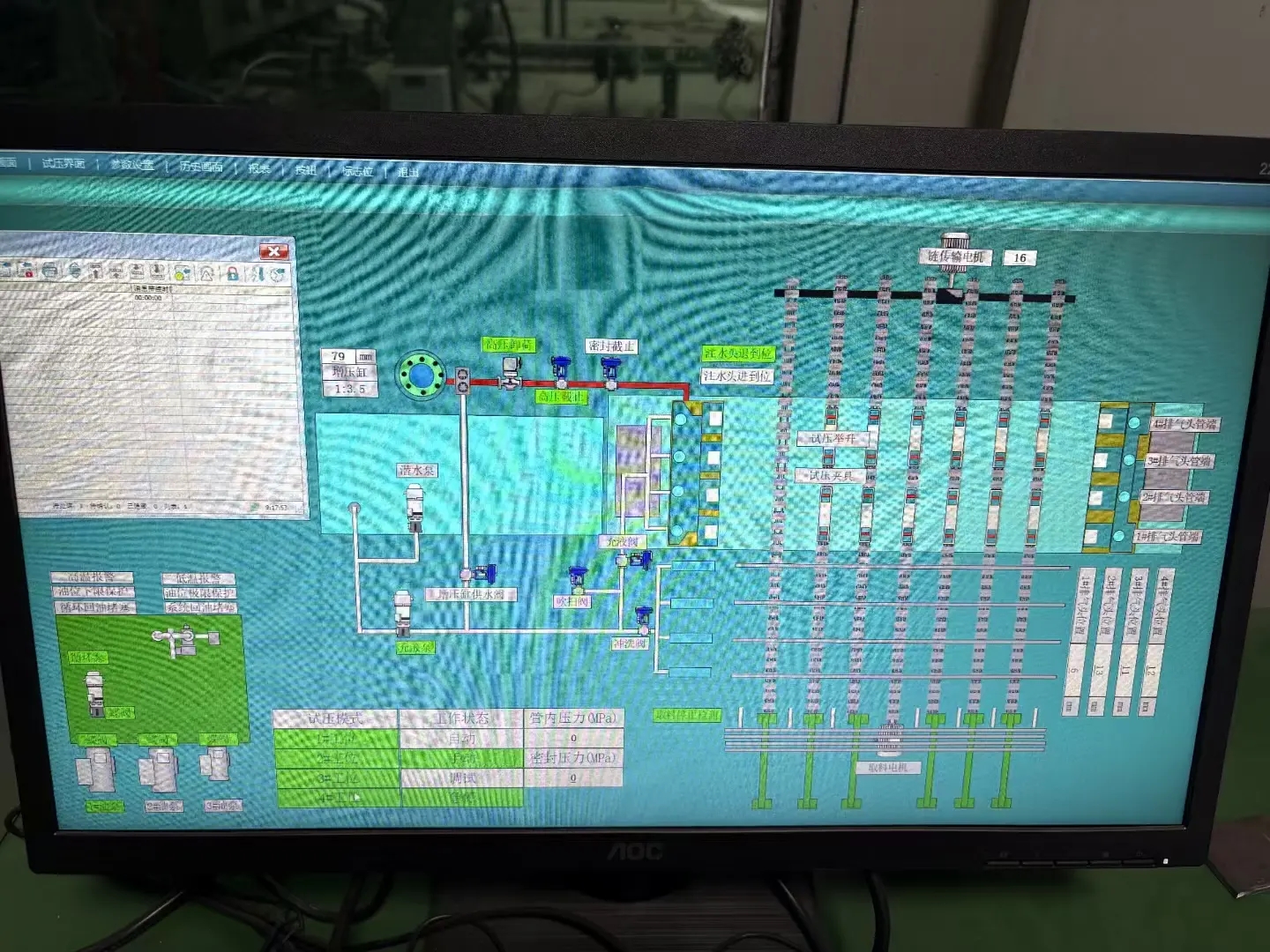
Step 5: Verify Control System
- Check PLC signals
- Ensure stable control output
Real Industry Case
In one steel pipe factory, the pipe pressure testing machine showed unstable pressure during high-pressure testing.
After inspection, the issue was traced to:Contaminated hydraulic oil + worn relief valve
After replacement:
- Pressure stabilized immediately
- Testing accuracy improved
- Production downtime reduced
This shows that most instability problems are system-related, not machine failure.
How to Prevent Pressure Instability
To keep your pipe pressure testing machine running smoothly:
- ✔ Perform regular maintenance
- ✔ Replace hydraulic oil periodically
- ✔ Check seals and valves
- ✔ Calibrate pressure sensors
- ✔ Avoid overloading the system
Conclusion
Unstable pressure in a pipe pressure testing machine is usually caused by a combination of mechanical, hydraulic, and operational factors.
The key is not just fixing the issue — but identifying the root cause quickly.
With proper maintenance and correct troubleshooting, you can:
- Improve testing accuracy
- Reduce downtime
- Extend machine lifespan
If your pipe pressure testing machine is facing pressure instability issues, contact us today.
We provide:
- Technical diagnosis
- Customized solutions
- High-performance testing equipment


