


 HOME
Is Your Hydro Test Hydrostatic Tester Quietly Killing Your Production Efficiency?
02 March 2026
Let me start with a simple question.
If your hydro test hydrostatic tester stopped working for one full day, how much would it cost you?
Most factories immediately think about delayed shipments. But the bigger issue isn’t when the machine stops completely. It’s when it keeps running — just inefficiently.
A hydro test hydrostatic tester can look “fine” on the surface while quietly draining time, labor, and energy from your production line. And because the losses are scattered across small delays and minor inefficiencies, they rarely get noticed.
Let’s break this down in a practical, factory-floor way.
The Hidden Cost Formula
Hidden production losses usually come from five areas:
-
Slow cycle time
-
Retesting due to unstable pressure
-
Seal leakage and re-clamping
-
Manual data handling
-
Energy waste
None of these individually look dramatic. Together, they can reduce your annual capacity by 5–15%.
Where Your Hydro Test Hydrostatic Tester May Be Losing Money
Below is a simple comparison table many production managers find helpful:
| Area | Efficient Hydro Test Hydrostatic Tester | Inefficient Hydro Test Hydrostatic Tester | Hidden Impact |
|---|---|---|---|
| Pressure Build Speed | Reaches target pressure smoothly and fast | Slow ramp-up, pressure hesitation | 20–60 sec lost per cycle |
| Pressure Stability | Clean, stable hold curve | Fluctuation during hold time | Retesting & QA doubts |
| Sealing System | Durable, aligned sealing heads | Frequent minor leakage | Extra labor & downtime |
| Data Recording | Automatic digital reports | Manual paperwork | Human error & time loss |
| Energy Consumption | Optimized pump control | Constant high motor load | Increased electricity bills |
| Spare Parts | Fast supplier support | Long waiting time | Production bottleneck |
Now imagine testing 500–800 pipes per day. Even a 30-second delay per cycle adds up fast.
Why Small Delays Multiply Over Time
Let’s do a conservative estimate.
-
30 seconds extra per test
-
600 tests per day
-
25 working days per month
That equals 125 extra production hours per month.
That’s more than 15 full working days lost per year — just from slow pressure build-up in your hydro test hydrostatic tester.
And that’s only one factor.
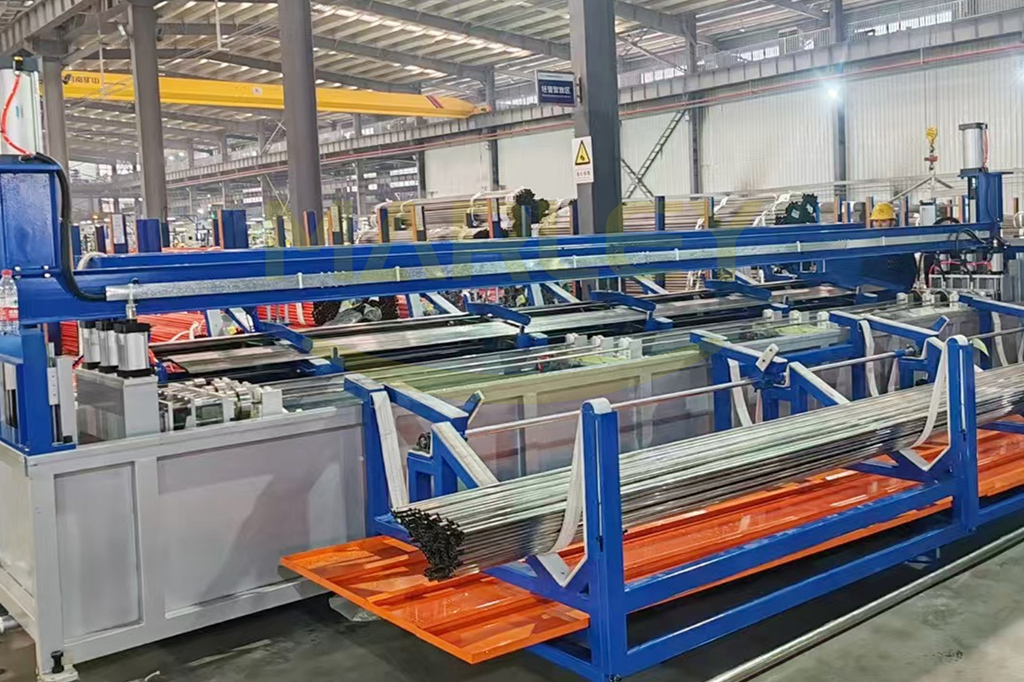
Retesting: The Silent Productivity Killer
Standards from organizations like the American Petroleum Institute and ASTM International require strict pressure stability and traceable results.
If your hydro test hydrostatic tester shows unstable curves:
-
QA teams repeat the test
-
Operators spend more time aligning
-
Water and electricity consumption increase
-
Delivery schedules tighten
Retesting doesn’t just waste machine time — it creates stress across departments.
A reliable hydro test hydrostatic tester eliminates doubt. It produces consistent curves, cycle after cycle.
Manual Data = Modern Risk
In 2026, some factories still use handwritten test records.
That creates three problems:
-
Slower audits
-
Higher risk of documentation errors
-
Lower customer confidence
Systems aligned with the International Organization for Standardization emphasize traceability and digital records.
A modern hydro test hydrostatic tester should automatically:
-
Store pressure curves
-
Generate printable reports
-
Export data for ERP/MES integration
Digital traceability isn’t a luxury anymore. It’s expected.
Energy Waste: The Cost You Don’t See
Older hydro test hydrostatic tester systems often run pumps at constant load, regardless of pressure stage.
That means:
-
Higher motor wear
-
Higher electricity bills
-
Shorter equipment lifespan
Energy-efficient systems use controlled ramp-up and intelligent pressure holding to reduce unnecessary load.
If your energy bills keep rising but output stays the same, your testing equipment may be part of the reason.
A Quick Self-Assessment Checklist
Ask your production team:
-
Does the hydro test hydrostatic tester ever struggle to reach target pressure?
-
Are small seal leaks considered “normal”?
-
Do we retest more than 3–5% of products?
-
Are test reports manually recorded?
-
Have energy costs increased without higher output?
If you answered “yes” to two or more, your hydro test hydrostatic tester may be costing more than you realize.
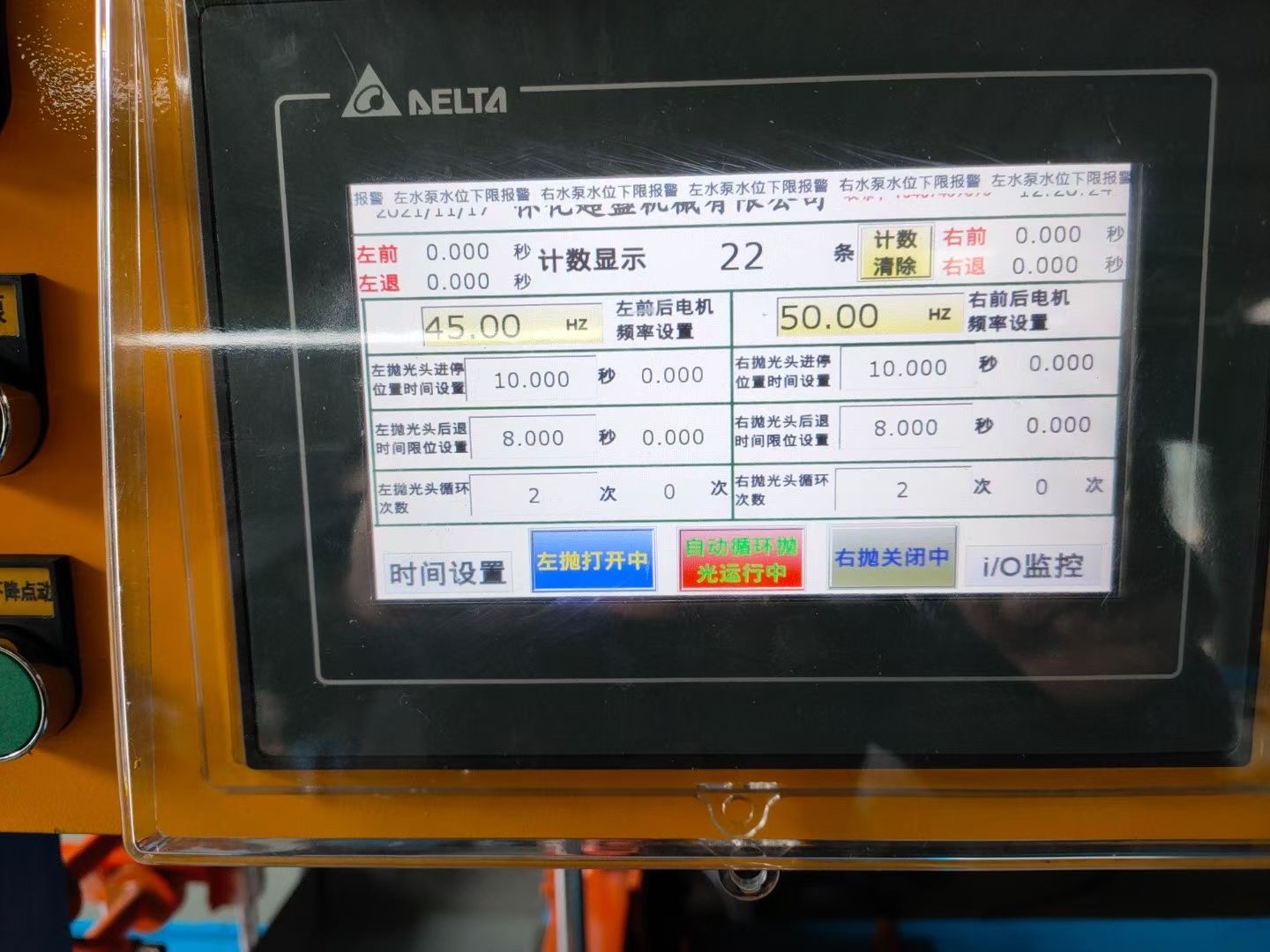
The Strategic Perspective
Many companies upgrade welding lines and forming machines first. Testing equipment gets postponed because it “doesn’t directly produce revenue.”
But here’s the truth:
A hydro test hydrostatic tester protects revenue.
It ensures:
-
Products meet export requirements
-
Certifications remain valid
-
Customers trust your brand
-
Production flows without bottlenecks
In competitive markets, efficiency wins. And efficiency often depends on the reliability of your testing system.
Final Thought
The most dangerous machine in a factory isn’t the one that breaks.
It’s the one that runs inefficiently for years without being questioned.
Take a serious look at your hydro test hydrostatic tester. Not just whether it works — but whether it works efficiently.
Because sometimes, improving testing performance is the fastest way to increase overall production capacity.


