


 HOME
5 Key Factors That Affect Centerless Lathe Performance in Steel Bar Manufacturing
27 March 2026
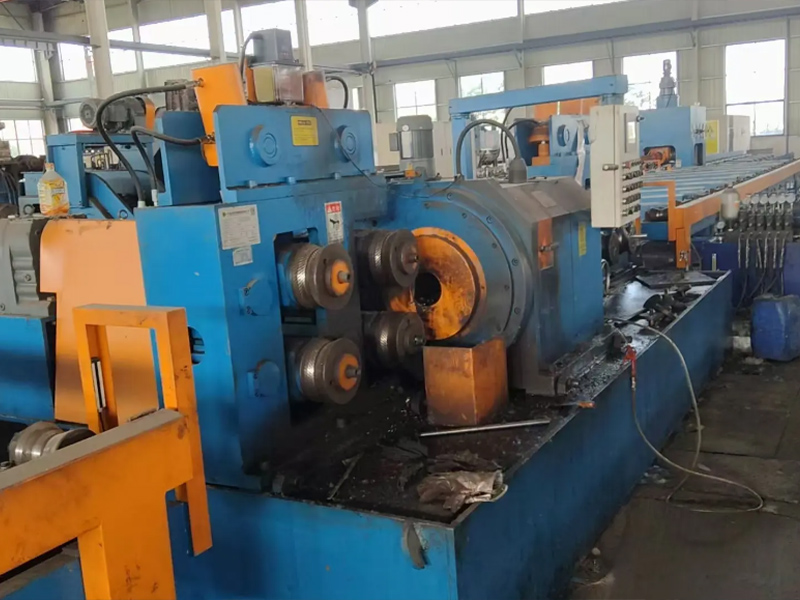
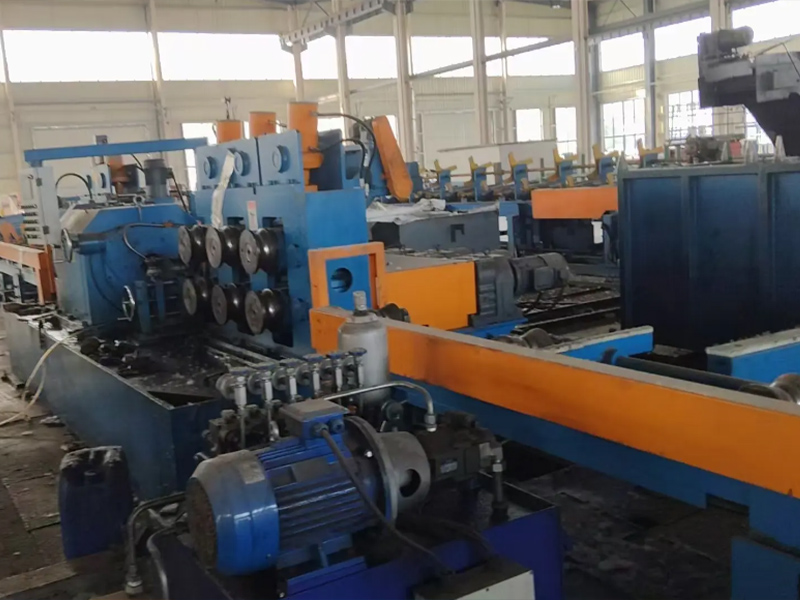
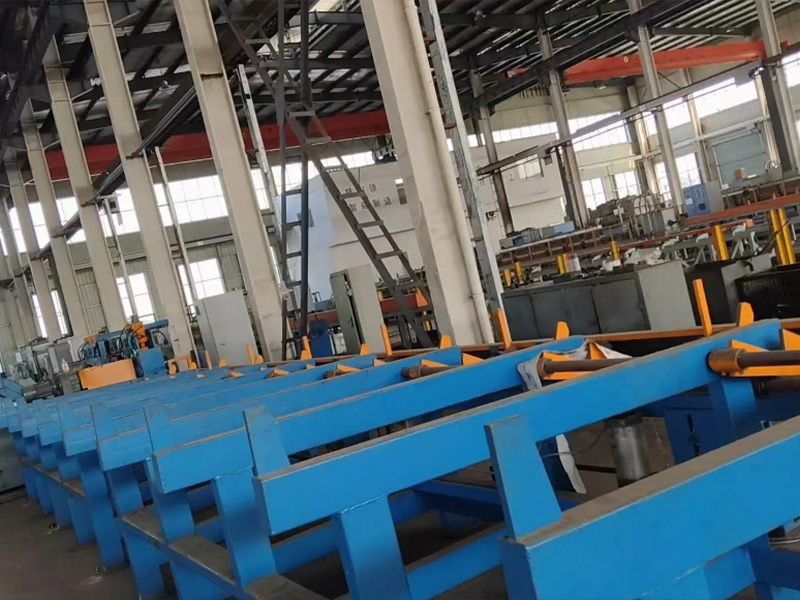
If you’ve ever stood next to a production line running a Centerless Lathe, you’ll know one thing right away — when it’s dialed in, it’s almost hypnotic. Bars feed through smoothly, tolerances stay tight, and output just flows. But when something’s off? Scrap piles up fast.
In steel bar manufacturing, the performance of a Centerless Lathe isn’t about one setting or one component. It’s a combination of small variables working together. Miss one, and your entire line feels it.
Let’s break down the five factors that actually make a difference — the kind operators and production managers care about.
1. Machine Configuration & Capability Matching
Not every Centerless Lathe is built for every job. Sounds obvious, but this is where many problems start.
A machine that’s slightly under-spec’d for your bar diameter or material hardness will struggle — vibration, chatter, inconsistent removal… you name it.
From real production cases, mismatched equipment often leads to:
- Inconsistent diameter control
- Surface burns or micro-cracks
- Reduced throughput
A well-matched Centerless Lathe should handle:
- Your full diameter range
- Required surface finish
- Material type (carbon steel vs stainless behaves differently)
Insight: Stainless steel, for example, reacts differently under grinding pressure and heat compared to carbon steel, requiring more precise control.
2. Grinding Wheel & Regulating Wheel Condition
This is the “silent killer” of performance.
Even the best Centerless Lathe will underperform if the wheels aren’t properly maintained.
Key variables include:
- Wheel sharpness
- Dressing frequency
- Wheel material compatibility
A worn or glazed grinding wheel leads to:
- Poor surface finish
- Increased heat generation
- Dimensional instability
Meanwhile, the regulating wheel controls rotation speed and feed rate — basically the rhythm of your process.
If that rhythm is off, everything downstream suffers.
3. Process Parameters (Speed, Feed, Pressure)
Here’s where experience really shows.
A Centerless Lathe is incredibly sensitive to setup parameters:
- Feed rate
- Grinding pressure
- Wheel speed
- Workpiece rotation speed
Too aggressive?
→ You risk burning, chatter, and out-of-round bars.
Too conservative?
→ You lose efficiency and throughput.
In fact, centerless grinding performance depends on balancing multiple variables at once — not just one “correct” setting.
Think of it less like a machine… and more like tuning an instrument.
4. Work Rest Blade Setup & Alignment
This is one of those details that separates average operators from great ones.
The work rest blade supports the bar during processing. Its height and angle directly affect:
- Roundness
- Stability
- Material removal consistency
If the blade height is even slightly off:
- Bars may turn oval
- Surface finish degrades
- Vibration increases
Proper alignment ensures the bar rotates evenly between the wheels, maintaining consistent geometry throughout the process.
5. Raw Material Quality & Straightness
You can’t fix everything in the machine.
Even the most advanced Centerless Lathe can only do so much if the incoming bar is:
- Bent
- Out-of-round
- Internally stressed
Material defects often lead to:
- Diameter variation
- Inconsistent grinding results
- Increased rejection rates
Centerless processing is excellent at improving roundness and finish, but it works best when starting material is within a reasonable tolerance window.
Quick Comparison: What Really Impacts Performance?
|
Factor |
Impact Level |
Common Problem |
Result |
|
Machine capability |
⭐⭐⭐⭐⭐ |
Undersized equipment |
Instability, low accuracy |
|
Wheel condition |
⭐⭐⭐⭐⭐ |
Worn/glazed wheel |
Poor finish, overheating |
|
Process parameters |
⭐⭐⭐⭐ |
Wrong speed/feed |
Chatter or inefficiency |
|
Blade setup |
⭐⭐⭐⭐ |
Incorrect height |
Out-of-round bars |
|
Material quality |
⭐⭐⭐⭐ |
Bent/uneven stock |
High rejection rate |
Real Talk: Why These Factors Matter
A Centerless Lathe isn’t just a machine — it’s a system.
When everything is aligned:
- You get tight tolerances
- Smooth surface finishes
- High production efficiency
When even one factor slips:
- Scrap increases
- Operators compensate manually
- Costs quietly rise
That’s why experienced manufacturers don’t just “run the machine” — they constantly fine-tune it.
Final Thoughts
In steel bar manufacturing, improving Centerless Lathe performance isn’t about chasing one big upgrade. It’s about getting the basics right — consistently.
If you focus on:
- Matching the right machine
- Maintaining wheel condition
- Optimizing parameters
- Setting up correctly
- Controlling material quality
You’ll see a noticeable difference — not just in product quality, but in overall production stability.And in this industry, stability is everything.


