


 HOME
What Makes a Reliable hydro test hydrostatic tester?
27 February 2026
If you manufacture steel pipes, pressure vessels, or high-pressure components, you already know one thing: failure is not an option. A small leak today can become a costly recall tomorrow. That’s why choosing a reliable hydro test hydrostatic tester is not just a technical decision — it’s a business decision.
Over the years, I’ve seen factories invest heavily in production lines but hesitate when selecting a hydro test hydrostatic tester. Ironically, this is the very machine that protects their reputation.
So what actually makes a hydro test hydrostatic tester reliable? Let’s break it down in practical terms — not marketing buzzwords.
1. Stable and Accurate Pressure Control
The heart of any hydro test hydrostatic tester is pressure.
A reliable system must:
-
Deliver stable pressure without sudden fluctuations
-
Reach the required test pressure quickly
-
Maintain pressure for the specified hold time
-
Provide high-precision pressure measurement
In industries like oil & gas or high-pressure pipelines, testing standards such as those defined by organizations like the American Petroleum Institute or ASTM International require strict compliance.
If your hydro test hydrostatic tester cannot hold pressure steadily, your test results become questionable. And questionable results are worse than no results at all.
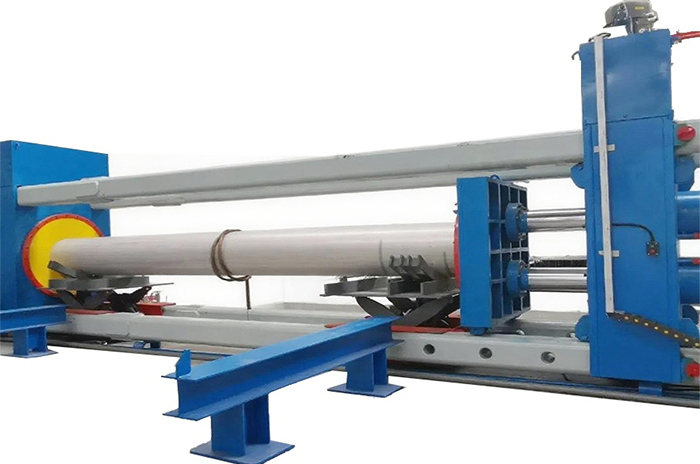
2. Strong Sealing System
Most testing failures don’t come from the pipe. They come from poor sealing.
A dependable hydro test hydrostatic tester should include:
-
Durable sealing heads
-
Proper alignment systems
-
Quick-change sealing components
-
High-quality sealing materials resistant to wear
If operators constantly deal with leakage at the sealing ends, productivity drops and confidence in the machine disappears.
A good sealing system doesn’t just prevent water leakage — it prevents time leakage.
3. Intelligent Control System (But Not Overcomplicated)
Modern factories prefer PLC-controlled systems. A reliable hydro test hydrostatic tester usually includes:
-
PLC automation
-
Digital pressure display
-
Automatic test data recording
-
Alarm systems for abnormal pressure
However, there’s a difference between “smart” and “overcomplicated.”
Operators should be able to learn the system quickly. If it takes weeks of training just to run a pressure test, the system is not practical. Reliability also means usability.
4. Compliance With International Standards
A trustworthy hydro test hydrostatic tester must comply with recognized standards such as:
-
API standards
-
ASTM standards
-
EN standards
-
ISO quality systems
For example, the International Organization for Standardization provides frameworks that help ensure equipment quality and safety consistency.
When your equipment aligns with international standards, your products are easier to export. This is especially important for manufacturers targeting the Middle East, Southeast Asia, or Europe.
5. Durable Mechanical Structure
Hydrostatic testing involves repeated high-pressure cycles. Over time, weak frames deform.
A reliable hydro test hydrostatic tester should feature:
-
Heavy-duty steel frame construction
-
Anti-corrosion coating
-
Reinforced pressure zones
-
Long service life design
This is not a short-term investment. A good machine should run for 10–15 years with proper maintenance.
If the structure is weak, accuracy suffers. And when accuracy suffers, certification becomes risky.
6. Consistent Test Repeatability
Reliability isn’t about passing one test. It’s about passing every test consistently.
A high-quality hydro test hydrostatic tester ensures:
-
Same pressure curve every cycle
-
Minimal deviation between tests
-
Stable performance under continuous operation
Factories running two shifts or even 24-hour production cannot afford inconsistent equipment behavior.
Repeatability builds confidence — internally and with customers.
7. After-Sales Support and Spare Parts Availability
This is often ignored until something breaks.
Even the best hydro test hydrostatic tester will eventually need maintenance. The real question is:
-
Can you get spare parts quickly?
-
Does the supplier provide remote troubleshooting?
-
Are technicians available for on-site support?
Downtime costs more than the machine itself.
A reliable supplier stands behind their hydro test hydrostatic tester, not just during installation but throughout its lifecycle.
8. Real Data Transparency
Today, buyers expect traceability.
A modern hydro test hydrostatic tester should offer:
-
Test curve storage
-
Printable reports
-
Data export capability
-
Integration with factory MES systems
When customers request proof of pressure testing, you shouldn’t scramble through paperwork. You should simply export the test record.
Transparency strengthens trust.
Why Reliability Directly Impacts Your Brand
When a pressure product fails in the field, customers don’t blame the test machine. They blame the manufacturer.
Your hydro test hydrostatic tester is your last quality gate before delivery. It protects your:
-
Certification
-
Customer trust
-
Market reputation
-
Export eligibility
Investing in a reliable system is not an expense. It’s insurance for your brand.
A reliable hydro test hydrostatic tester is defined by more than just pressure capacity. It combines precision, durability, intelligent control, compliance, and dependable support.
In competitive manufacturing markets, cutting corners on testing equipment is a false economy. The companies that succeed long term are the ones that treat testing as seriously as production.
Because at the end of the day, quality is not claimed — it is proven under pressure.


