


 HOME
Understanding the internal control system of a steel pipe hydro testing machine
02 February 2026
In steel pipe manufacturing, testing equipment isn’t a luxury — it’s a business asset. A well-designed hydro testing machine with a reliable internal control system delivers accurate results, reduces quality risks, and helps your team make measurable, defensible decisions.
But not all hydro testing machines are built the same. The difference often comes down to the internal control system — the part of the machine that ensures tests run smoothly, safely, and in full compliance with customer specifications.
What Makes a Hydro Testing Machine “Smart” for Modern Production?
At its core, a hydro testing machine applies water pressure to a pipe or component to verify structural integrity and leak resistance. Yet, plants that integrate advanced control systems see more value because they can:
-
Run tests with precision and repeatability
-
Automatically record and export results
-
Safeguard operators and equipment
-
Reduce manual testing errors
Today’s best hydro testing machines go beyond simple pressure application — they control the entire test process from start to finish.
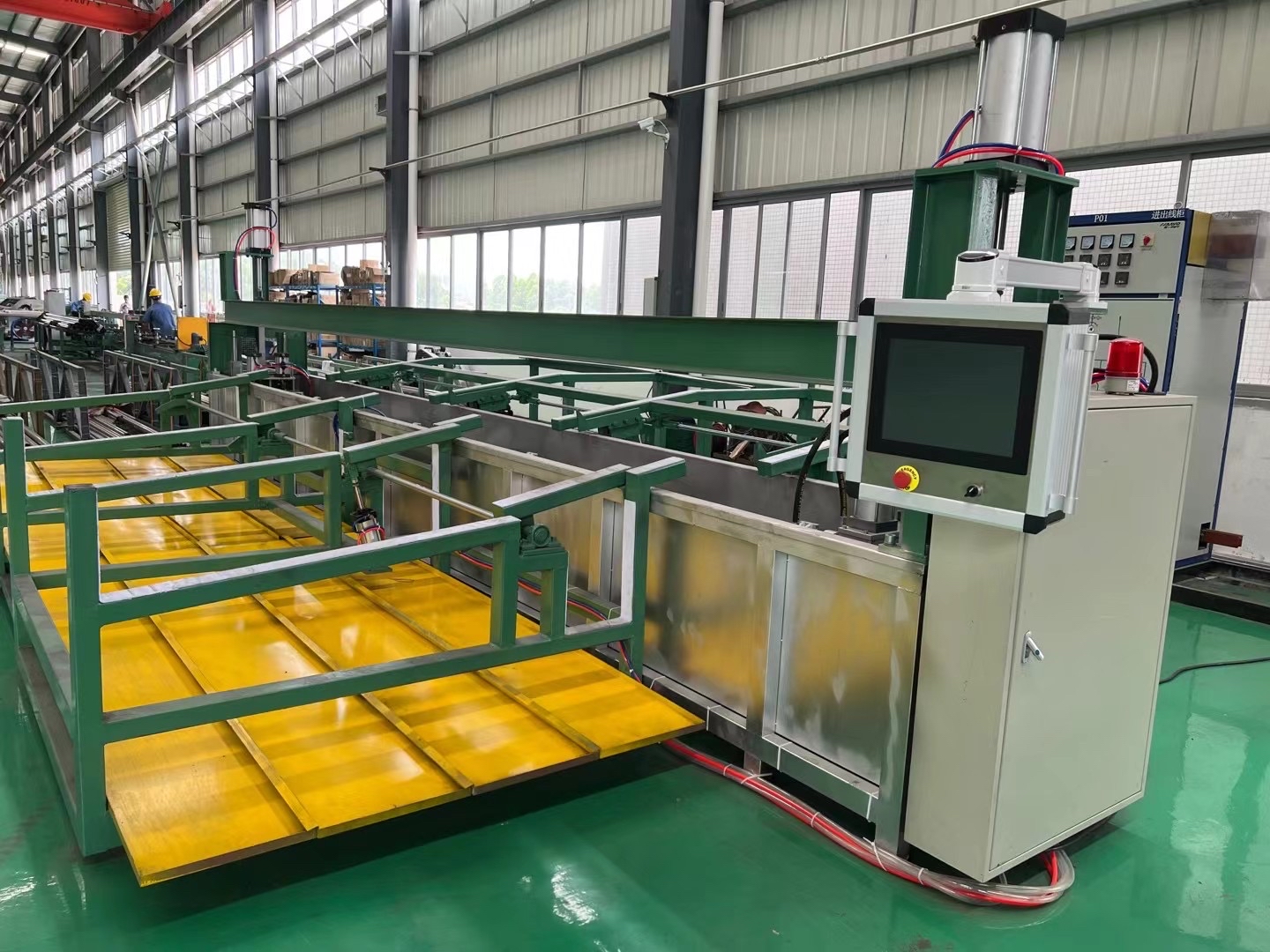
The Internal Control System: What You’re Really Buying
When you evaluate a hydro testing machine quote, ask about three control system elements:
1. Programmable Logic Controller (PLC)
The PLC is the brain of the machine. It continuously:
-
Reads input from pressure and safety sensors
-
Executes test logic based on your settings
-
Controls pressure ramps, holds, and release sequences
A strong PLC setup ensures consistent test behavior — no surprises between shifts, operators, or batches.
2. Sensors and Feedback Devices
A hydro testing machine depends on accurate sensors to monitor real conditions. Good systems use industrial-grade pressure transducers that are:
-
Calibrated to traceable standards
-
Resistant to vibration and moisture
-
Designed for long service life
These sensors feed live data back to the controller so the machine can maintain exact pressure levels during critical test stages.
3. Human-Machine Interface (HMI)
The HMI is where operators interact with the machine. The best hydro testing machines use intuitive interfaces that let your team:
-
Enter test parameters quickly
-
Monitor real-time pressure curves
-
Generate and export test reports
-
Access alarms or event logs with one click
An easy-to-use HMI reduces training time and minimizes operator errors — a real cost saver over the life of the machine.
Why Internal Control Matters to Your Bottom Line
From a procurement and operations perspective, the value of a well-controlled hydro testing machine shows up in several ways:
1. Higher First-Pass Yield
With automated control, tests are repeatable and precise. This reduces unnecessary retests and rejects that slow down production.
2. Clear Test Documentation
Most modern systems can save and print test reports automatically. When your customers or inspectors ask for proof, you have full traceability without extra paperwork.
3. Safer Operation
Control systems automate safety responses — such as emergency pressure release and test shutdown — helping protect your team and avoid costly downtime.
4. Better Integration with Digital Workflows
A hydro testing machine that supports data export or MES connectivity helps embed test results into broader plant quality systems. This strengthens compliance with ISO or customer requirements.
Choosing the Right Hydro Testing Machine: What to Look For
When comparing suppliers or models, focus on these questions:
✔ Does the internal control system support recipe-based testing for different pipe sizes?
✔ Can it export test logs in formats your quality system uses?
✔ Are the PLC and sensors industrial grade with available calibration support?
✔ Is the interface user-friendly for operators of varying experience?
✔ Does the supplier offer training and after-sales support for the control software?
The answers to these questions are often more important than the headline pressure rating alone.
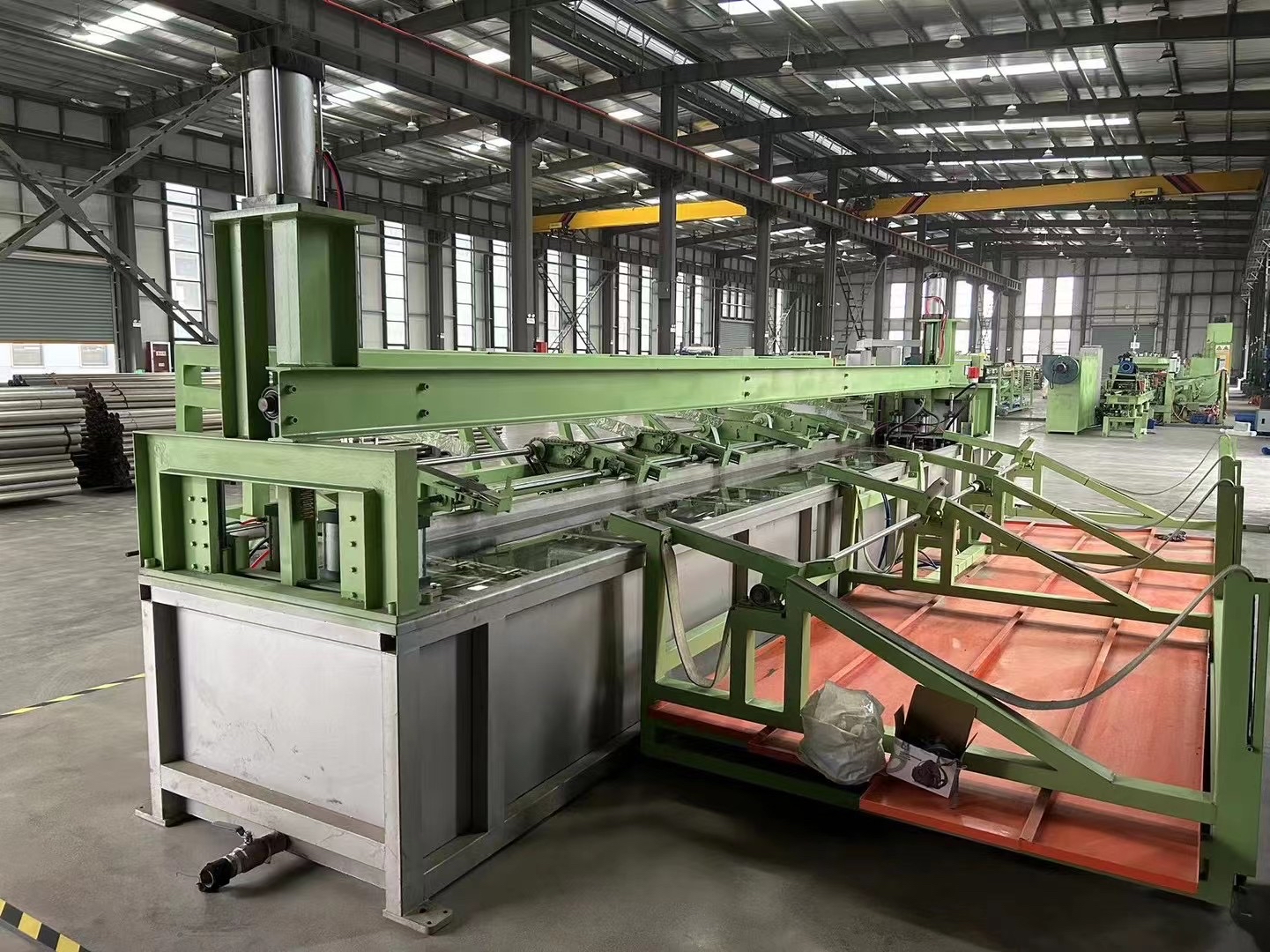
Control System = Predictable Quality
A hydro testing machine without a strong internal control system is like a car without a reliable dashboard — you have power, but no dependable way to monitor or direct it.
Choosing the right machine with the right control logic means you:
-
Reduce risk of field failures
-
Improve throughput
-
Lower long-term testing cost
-
Strengthen customer confidence
In B2B manufacturing, these outcomes aren’t nice-to-have — they directly affect your competitiveness and reputation.If you’re planning to upgrade or specify new hydro testing capability, the internal control system should be near the top of your checklist.


