


 HOME
How the Right Hydro Testing Machine for Pipe Can Cut Your Testing Costs
22 February 2026
In pipe production, inspection is a necessary step — but it doesn’t need to be a costly one. Many manufacturers still treat pressure testing as a labor-intensive afterthought, when in reality, choosing the right hydro testing machine for pipe can become one of the biggest cost-savers in your quality control system. With faster cycles, fewer defects slipping through, and less rework downstream, a well-designed hydrostatic tester pays for itself through reduced operating costs and more predictable production outcomes.
Let’s take a look at how a modern hydro testing machine for pipe helps you cut testing costs without compromising quality, and why it makes financial sense to invest in the right one from the start.
1. Faster Inspection Cycles Reduce Labor Costs
Traditional pressure tests — especially manual setups — can take a long time. Operators must fill pipes, bleed air, watch gauges, and manually log test results. That’s a lot of hands-on time for every single pipe. In contrast, a well-configured hydro testing machine for pipe automates the sequence:
-
Automatic pressure ramp-up
-
Pre-programmed hold times
-
Digital data capture
-
Automated drain and reset
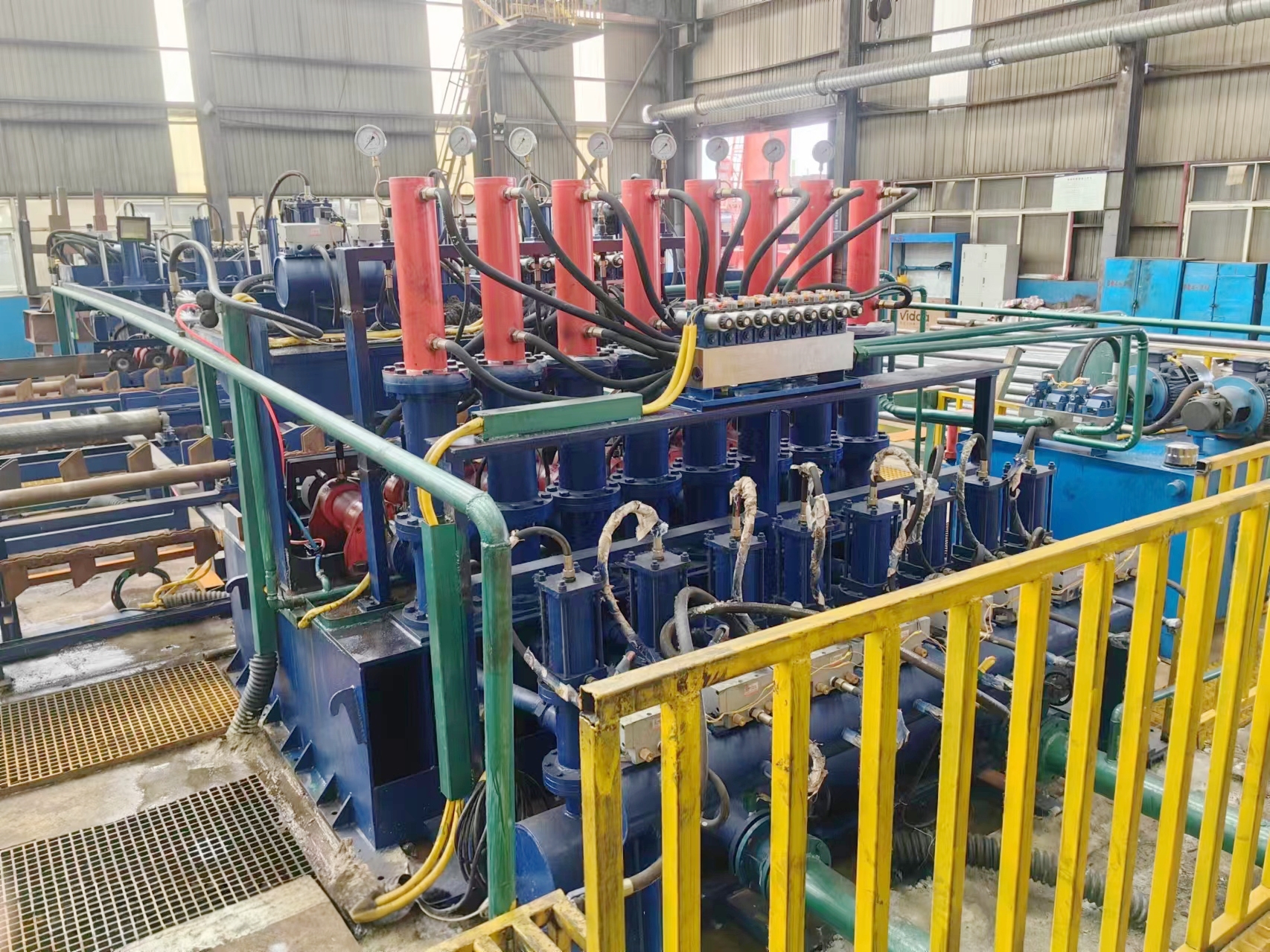
Modern hydro testing machines can halve the time needed for each inspection cycle, especially when combined with parallel testing stations that handle multiple pipes at once. Cutting test time means fewer labor hours per batch — and that’s direct cost savings on your bottom line.
2. Early Defect Detection Saves Rework Costs
Catching defects early is a simple concept — but its financial impact is huge. A hydro testing machine for pipe detects internal weaknesses, weld flaws, and leaks long before pipes reach the customer or end application. When these problems are found early:
-
You avoid scrapping finished products
-
You reduce hours spent repairing pipes
-
You eliminate costly returns from clients
Avoiding downstream rework removes idle time from your production line and stops extra material costs from stacking up. Saving just one or two large rejects per production cycle can quickly offset the cost of a high-performance tester.
3. Standardized Testing Reduces Variability and Waste
One hidden cost many factories overlook is variation in test results. Without a controlled testing process, one worker might test differently from another. That leads to:
✔ False rejects — pipes that are actually fine
✔ Missed defects — pipes that should be rejected
✔ Extra inspections to confirm edge cases
A hydro testing machine for pipe enforces consistent, repeatable test parameters every time — reducing both false rejections and missed failures. Over hundreds or thousands of tests, that reduction in noise and waste translates into real savings.
4. Digital Data Logging Cuts Administrative Overhead
In many facilities, test results are still written down by hand or scattered across spreadsheets. That creates costs in:
-
Filing and reporting
-
Auditor responses
-
Customer documentation
-
Traceability maintenance
With automated logging, a modern hydro testing machine for pipe captures complete pressure curves, timestamps, and pass/fail outcomes digitally. Quality teams no longer have to chase down records for compliance or customer queries — saving hours of administrative labor each week.
5. Compliance With Standards Reduces Penalties and Delays
Different industries and regions often require documented proof that pipes have passed certain pressure tests before they can be shipped or installed. A high-quality hydro testing machine for pipe ensures compliance with standards like ASTM, API, ISO, and similar global frameworks. Manufacturers using such machines cut costs by:
-
Avoiding penalty fees for non-compliance
-
Reducing project delays due to failed inspections
-
Improving customer acceptance rates
The machine’s ability to produce traceable, standard-aligned results removes uncertainty from the supply chain and limits financial risk in international contracts.
6. Less Downtime From Failures and Repairs
In high-volume operations, an unplanned inspection failure — or worse, an accident — can stop production. Modern hydro testing machines incorporate safety and reliability features that reduce the likelihood of equipment malfunction, including:
| Feature | Cost Impact |
|---|---|
| Automated safety interlocks | Fewer accidents and machine damage |
| Stable pressure control | Lower retest rates |
| Real-time monitoring | Immediate feedback prevents extended downtime |
| Multi-station testing | Higher throughput per shift |
Reduced downtime keeps your production line moving and your workforce productive — both of which are vital for keeping costs down in a competitive market.
Simple Cost-Savings Summary
| Cost Category | How the Right Hydro Testing Machine for Pipe Helps |
|---|---|
| Labor | Shorter cycles, automated steps, fewer hands-on processes |
| Rework & Scraps | Early defect detection reduces waste |
| Administrative | Digital logs replace manual paperwork |
| Compliance risk | Standardized results protect against penalties |
| Downtime | Reliable automation minimizes stoppages |
A hydro testing machine for pipe is often seen as a quality control tool — but smart manufacturers view it as a strategic cost-saving investment. By automating tests, reducing variability, preventing costly downstream failures, and improving compliance documentation, the right machine not only improves product quality but directly lowers your operating costs.
When you compare the price of a high-performance hydro testing machine against the accumulated costs of labor, rework, compliance issues, and downtime, the return on investment becomes clear.


