


 HOME
How a Hydro Testing Machine for Pipe Detects Micro Leaks Accurately
12 February 2026
When it comes to ensuring the quality and safety of pipes before they go into service, nothing beats a good hydrostatic test. At the center of this process is the hydro testing machine for pipe — a device that subjects pipes to controlled internal pressure to reveal weaknesses that other inspection methods can miss. But how exactly does this machine detect micro leaks — tiny flaws that could turn into big problems in the field?
In this blog, we’ll break down how a hydro testing machine for pipe accurately detects micro leaks, why water is used as the test medium, and how modern machines are designed to spot even the smallest inconsistencies in pipe integrity. The goal is practical insight, written in a way that engineers, quality managers, and plant leaders actually talk about this in real conversations.
Why Hydrostatic Testing Is So Effective
A hydro testing machine for pipe doesn’t rely on sight or guesswork — it applies physics.
The basic idea is simple:
The pipe is completely filled with water and then pressurized to a level above its normal operating pressure. Because water is essentially incompressible, even a tiniest leak will show up as a measurable pressure change or as a visible release of water. This makes hydrostatic testing far more sensitive to micro leaks than many other inspection methods.
Filling the Pipe — Why Removing Air Is Critical
One thing technical teams know is that air in the system can mask leaks. Air compresses under pressure, absorbing fluctuations and hiding small pressure drops. That’s why one of the first steps in any hydro testing machine for pipe is air purging. The pipe must be filled with water and all trapped air removed before the pressure is raised.
When there is no air, water transmits pressure throughout the pipe uniformly. Any drop in pressure begins to point directly at water escaping — and that escape could only be coming from a micro leak.
Controlled Pressure and Holding Time
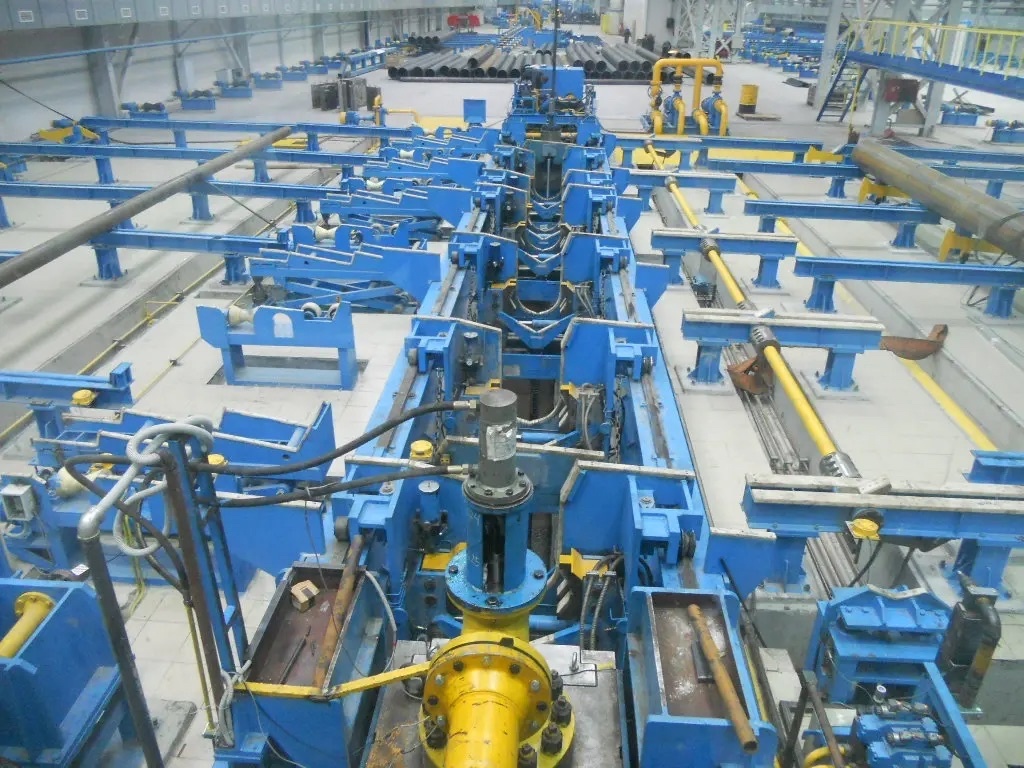
Once the pipe is filled with water, the hydro testing machine for pipe slowly ramps up the internal pressure. This gradual increase avoids shock or stress spikes that might damage the pipe or hide subtle issues. The machine then holds that pressure for a specified time — often 30 minutes or longer — because micro leaks don’t always reveal themselves instantly. A sustained hold gives time for even the smallest imperfections to show up as pressure loss or water seepage.
This controlled approach lets technicians watch for tiny deviations in pressure, where a 0.5% drop over time could indicate a defect that would otherwise go unnoticed.
Precision Sensors and Digital Monitoring
Modern hydro testing machines for pipe almost always include digital pressure sensors and data loggers. Here’s how they help detect micro leaks:
-
Sensors measure pressure continuously with high resolution
-
Readings are logged in real time throughout the test
-
Software compares live data against expected patterns
-
Any deviation is flagged immediately, often with alerts
These digital systems are much more sensitive than older analog gauges. They can spot tiny fluctuations that a human eye might miss, and they save the data for traceability or audit purposes.
This data-driven monitoring turns a hydro testing machine for pipe into a precision diagnostic tool, not just a pressure pump.
Interpreting Pressure Behavior
Detecting a micro leak isn’t just about seeing water come out — it’s also about interpreting how pressure behaves over time:
Steady Hold Without Drop
Pressure remains stable throughout the test period — typically a good indication there’s no significant leak.
Slow Decline Over Time
Pressure drops very gradually — this could mean fluid is slowly escaping through a very small crack or seam defect.
Sudden Drop Early in the Test
This often indicates a more significant opening or seal problem that requires immediate attention.
Hydro testing machines are calibrated so that these patterns — not just a simple pass/fail — give technicians detailed insight into the pipe’s condition.
Complementary Tools Can Help Pinpoint Micro Leaks
Sometimes the hydro testing machine for pipe tells you there’s a leak, but finding its exact location needs a more targeted approach. That’s where complementary tools come in, such as acoustic leak detectors or sensors that “listen” for tiny hissing caused by fluid escaping through micro openings. While these tools aren’t part of the hydro tester itself, they often work hand-in-hand with hydrostatic pressure results to pinpoint and quantify leak sources.
Common Issues That Can Mask Leak Detection
Even the best hydro testing machine for pipe can give misleading results if certain factors aren’t controlled:
-
Air left in the system — as noted, air compresses and hides leaks
-
Temperature changes — cause water expansion or contraction that can look like a pressure loss
-
Loose fittings or assembly errors — sometimes the machine is fine, but the setup has gaps
That’s why technicians emphasize proper preparation and calibration before each hydrostatic test begins.
In Practice: Micro Leaks and Quality Assurance
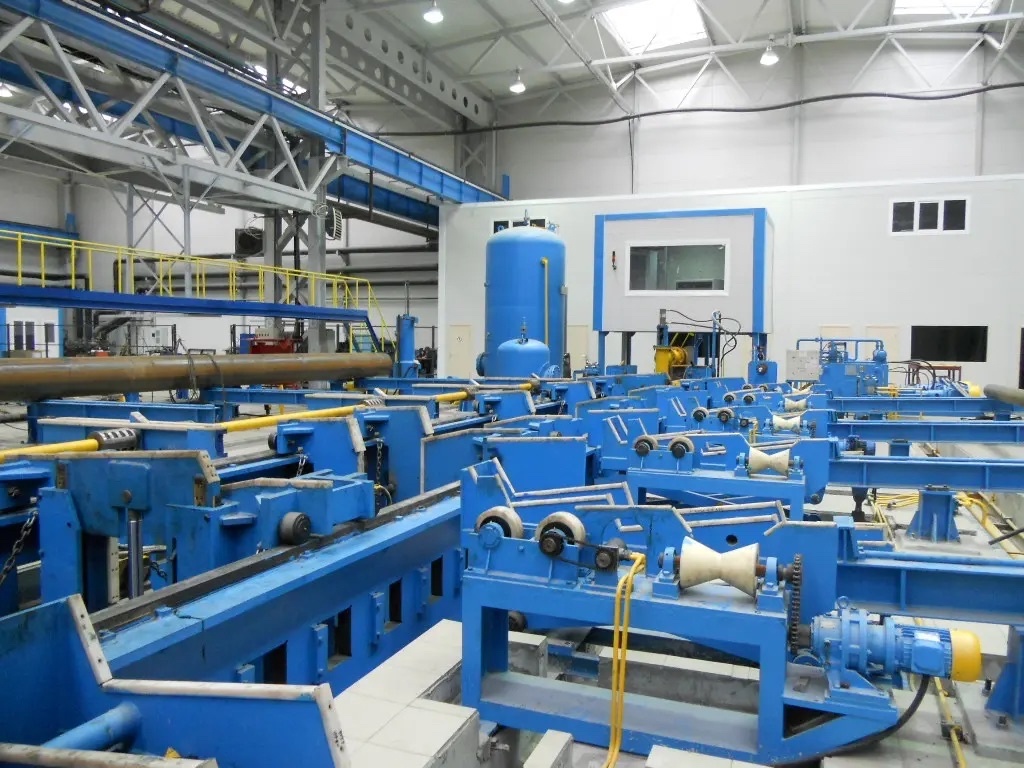
From a quality standpoint, detecting micro leaks in a hydro testing machine for pipe is about reducing risk. A pipe that looks fine visually may still have hidden flaws that only show up under pressure. Catching those flaws before the pipe leaves the factory avoids costly field failures, rework, warranty claims, or even dangerous leaks in service.
High-quality hydrostatic testing — armed with precise pressure control and detailed digital data — helps companies deliver reliable products every time.


