


 HOME
HOMESteel Pipe Hydrostatic Testing Machine for Oil and Gas Pipeline Inspection
19 January 2026
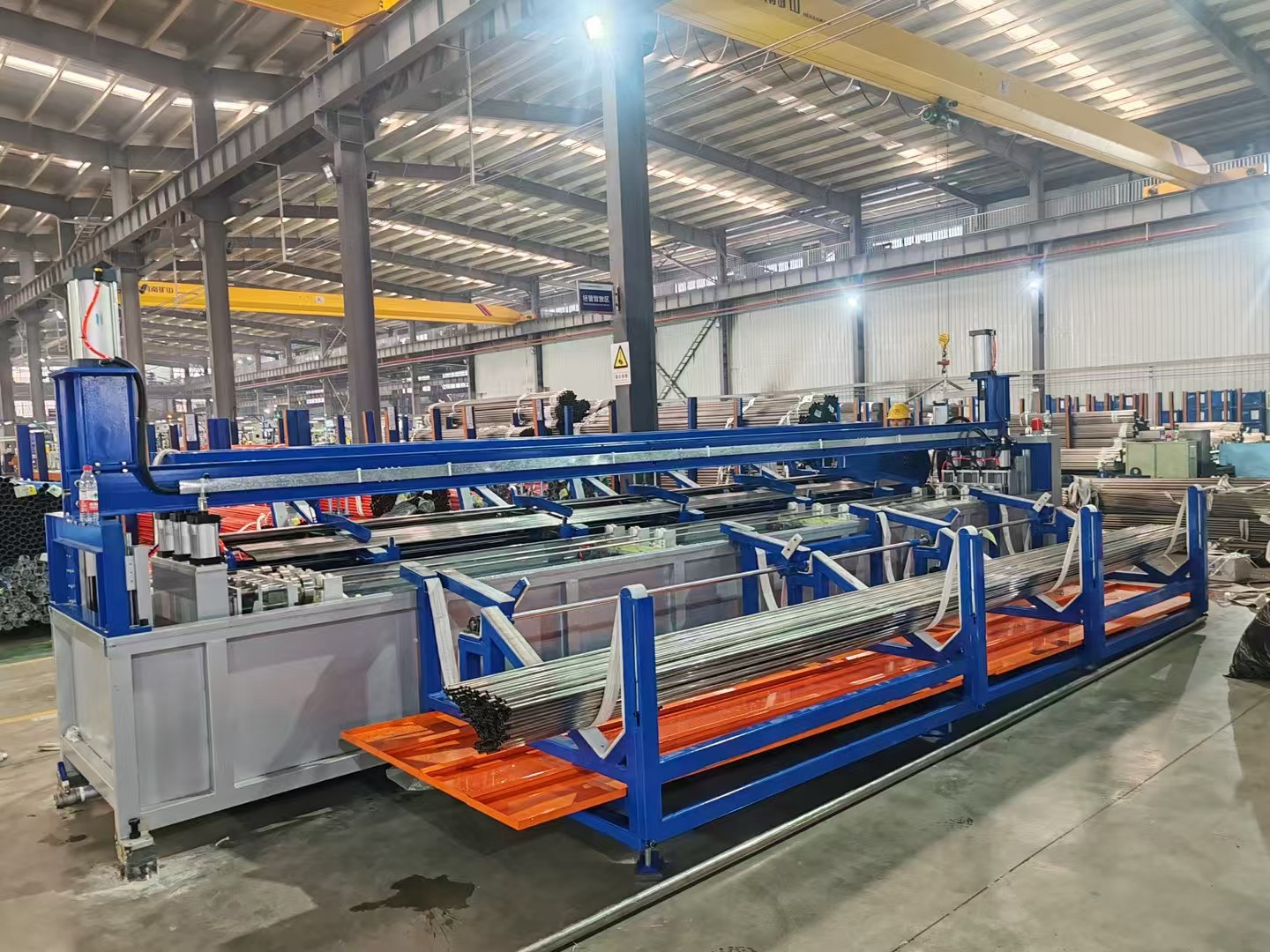
In the world of energy infrastructure, few pieces of equipment are as crucial to pipeline quality and safety as a Steel Pipe Hydrostatic Testing Machine. Whether you’re manufacturing large-diameter line pipe or preparing sections of oil and gas pipeline for commissioning, this type of testing machinery plays a key role in verifying that the pipes can withstand real operational pressures without leaking or failing.
A pipeline failure isn’t just a production issue — it can lead to environmental harm, costly repairs, regulatory penalties, and long-lasting reputation damage. For this reason, inspectors and engineers around the world rely on hydrostatic testing long before a pipe is welded into a transmission system.
What Is Hydrostatic Testing for Pipelines?
At its core, hydrostatic testing is a method for checking the structural integrity and leak-tightness of steel pipes. In oil and gas pipeline inspection, a section of pipe is filled with water (or another incompressible fluid) and pressurized to a level higher than its intended operating pressure. This forces the pipe to prove its strength before being accepted for use.
A Steel Pipe Hydrostatic Testing Machine handles this process in a controlled, safe, and measurable way. Unlike visual or non-destructive techniques alone, hydrostatic pressure testing actually simulates service conditions, revealing weak welds, wall defects, seam irregularities, and other hidden flaws that might not appear otherwise.
Why It Matters in Oil & Gas Pipeline Inspection
Oil and gas pipelines carry flammable fluids under high pressure across long distances and through sensitive environments. For operators, pipelines must be fit for service — and that means more than passing visual checks or meeting material specs on paper.
Here’s why a Steel Pipe Hydrostatic Testing Machine is an indispensable part of the inspection process:
Detect Hidden Leaks and Weaknesses
Many manufacturing defects — micro-cracks, subtle seam flaws, or internal weaknesses — won’t show up during basic visual inspection or some NDT methods. Hydrostatic testing puts the pipe under real pressure and identifies these issues before installation.
Ensure Compliance With Standards
Pipelines in oil and gas applications often must meet specific standards set by API, ASTM, ISO, or other bodies. Many of those standards explicitly require pressure testing at levels above normal operating conditions.
Reduce Risk in Service
Once a pipeline is in the ground or underwater, defects become costly to fix. Hydrostatic testing significantly lowers the chance of leaks, ruptures, and unplanned maintenance once the system is operational.
Typical Use Cases in Oil & Gas
A Steel Pipe Hydrostatic Testing Machine is used in several critical inspection stages across the life cycle of a pipeline:
| Stage | Purpose | Why It Matters |
|---|---|---|
| Manufacturing QA | Test pipes before shipment to oilfield or pipeline projects | Ensures each pipe meets strength and leak-free criteria |
| Pre-commissioning | Pressure test jointed pipeline segments before putting into service | Finds weld issues and guarantees integrity before startup |
| Pressure Class Verification | Check pipes at regulatory or design test pressure | Compliance with project and safety standards |
| Casing & Tubing Inspection | Special hydrostatic tests on well casing and tubing | Ensures well integrity in drilling and production applications |
How the Machine Works at a Glance
A Steel Pipe Hydrostatic Testing Machine operates by:
-
Filling the pipe with water — All air is removed to avoid misleading readings or safety hazards.
-
Pressurizing it to the test level — Often above the pipeline’s design pressure.
-
Holding the pressure — For a specified time to check for drops or leaks.
-
Monitoring and recording results — Digital systems can log pressure curves, leaks, and other data for quality records.
In high-standard oil and gas applications, precise control and clear documentation are essential for acceptance by clients and regulators.
Choosing the Right System for Oil & Gas
Not all hydrostatic machines are created equal. For oil and gas pipeline inspection, look for features like:
-
High pressure capacity (to match design requirements)
-
Accurate control and data logging systems
-
Robust fixtures for large diameter and long pipe segments
-
Safety features to protect operators
-
Compliance with international standards
Selecting appropriate equipment ensures reliable testing and long-term serviceability of pipeline assets.
The oil and gas industry demands reliability, safety, and clear proof of performance. A Steel Pipe Hydrostatic Testing Machine delivers all of these by validating that steel pipes — whether seamless, ERW, or welded — can safely withstand pressure before they ever see service in the field.


