


 HOME
Common Problems in Pipe Buffing Equipment and How to Fix Them
30 October 2025
No matter how advanced your pipe buffing equipment is, wear and tear are inevitable. Even the most reliable machines can face problems after long hours of continuous operation — from uneven polishing results to unexpected vibrations or motor overheating.
If you’ve ever wondered why your pipe buffing system isn’t performing like it used to, chances are the issue lies in maintenance, setup, or component alignment. The good news? Most of these problems are easy to fix once you know where to look.
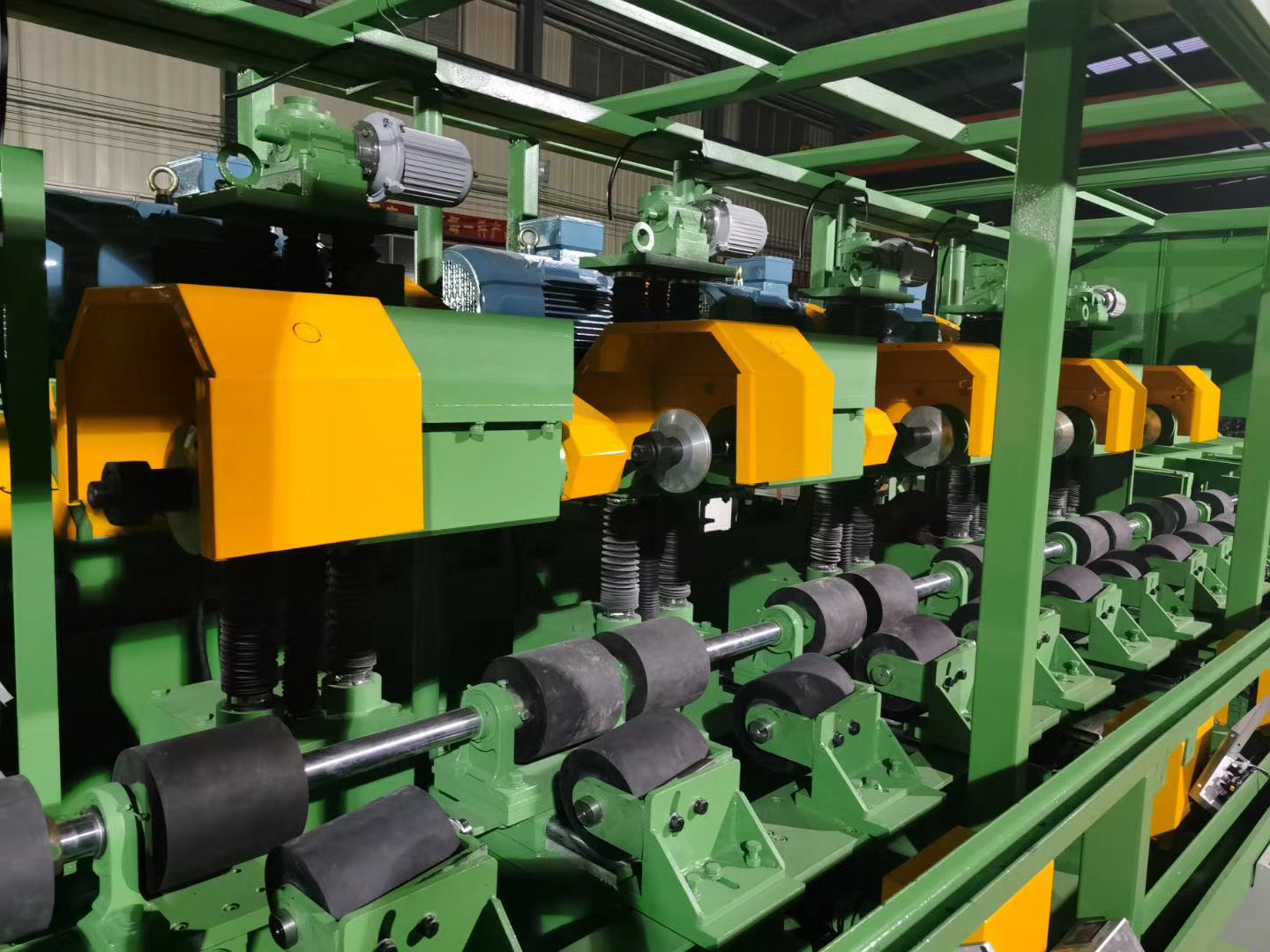
Understanding the Core of Pipe Buffing Equipment
Pipe buffing machines are designed to give metal pipes — especially stainless steel and carbon steel — a clean, smooth, and mirror-like finish. They rely on a combination of rotating belts, rollers, and motors to evenly polish the surface.
Because these machines handle friction, pressure, and constant motion, small misalignments or buildup can cause significant problems over time.
Let’s break down some of the most common issues you might encounter — and how to fix them efficiently.
Common Problems and Practical Solutions
– Uneven pressure from polishing heads
– Worn or unbalanced buffing belts
– Misaligned rollers
– Loose bolts or bearings
– Imbalanced buffing wheel
– Misaligned shafts
– Dry or worn bearings
– Misaligned belt tension
– Metal contact between parts
– Dirty or clogged belts
– Build-up of polishing residue
– Incorrect abrasive grade
Problem
Possible Causes
How to Fix It
Uneven Polishing or Inconsistent Surface Finish
✔ Recalibrate polishing heads for uniform pressure.
✔ Replace damaged belts immediately.
✔ Realign rollers using the machine’s built-in guides.
Excessive Vibration During Operation
✔ Tighten all connections and inspect bearings.
✔ Replace or rebalance the buffing wheel.
✔ Check shaft alignment and adjust if needed.
Overheating Motor
– Inadequate cooling or airflow
– Overloaded operation
– Blocked dust collection or coolant line
✔ Clean vents and filters regularly.
✔ Avoid overloading beyond rated capacity.
✔ Inspect coolant system and remove any blockages.
Unusual Noises or Squealing
✔ Lubricate bearings on schedule.
✔ Adjust belt tension to manufacturer’s specs.
✔ Check for metal friction points and replace parts.
Reduced Polishing Efficiency
✔ Clean or replace buffing belts frequently.
✔ Remove residue with compressed air or brush.
✔ Choose proper grit for material type and finish level.
Preventing Future Problems
While fixing issues is important, preventing them is even better. Establishing a preventive maintenance routine can drastically extend the life of your pipe buffing equipment and reduce costly downtime.
Here are a few golden rules:
-
Clean daily. After each shift, remove dust, debris, and polishing paste buildup.
-
Lubricate weekly. Don’t wait until bearings start making noise — follow a regular schedule.
-
Monitor belt wear. Replace belts early rather than late; they’re cheaper than reworking damaged pipes.
-
Check motor health. Use infrared thermometers or vibration analysis to spot early issues.
-
Train your operators. Skilled staff can identify small irregularities before they become big problems.
When to Call for Professional Help
Sometimes, even after following best practices, the machine just doesn’t run right. This could mean internal damage or electrical issues that require a technician.
Don’t delay — prolonged operation with underlying faults can lead to complete machine failure. Always keep spare belts, rollers, and fuses on hand, and partner with a reliable supplier who provides after-sales technical support.
Your pipe buffing equipment is the backbone of your surface finishing process. Like any precision tool, it demands attention, care, and routine adjustments to stay in perfect working order.
By identifying common issues early and following the right maintenance procedures, you can achieve smoother finishes, longer equipment life, and — most importantly — less downtime.


