


 HOME
How to Choose the Right Hydro Testing Machine for Industrial Applications
23 September 2025
If you work in industries like steel pipe manufacturing, boiler production, or automotive components, you’ve probably heard how important hydro testing is. It’s not just another step in the production process—it’s what makes sure your products are safe, reliable, and ready to face real-world pressures.
But here comes the tricky part: how do you choose the right Hydro Testing Machine for your factory? With so many options out there, it’s easy to get lost in technical specs and sales pitches. In this article, I’ll share some practical tips (based on what buyers usually ask us) to help you make a smart decision.
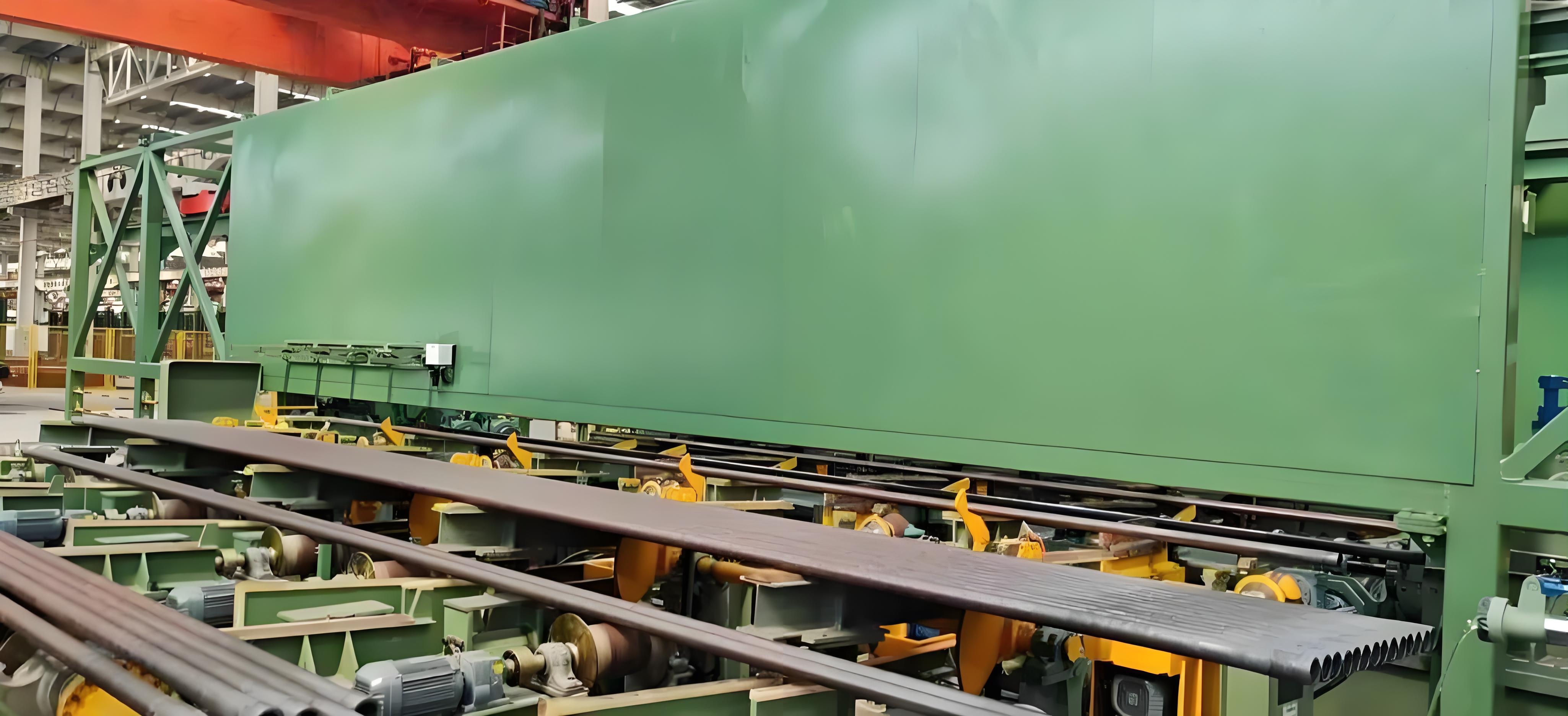
1. Start with Your Actual Needs
One mistake I often see is companies buying “too much” machine. For example, a plastic pipe manufacturer doesn’t need the same test pressure as a heavy-duty boiler factory. Ask yourself:
-
What materials are you testing—steel, composite, or plastic?
-
What diameter and length of pipes or tanks will you handle?
-
Do you need the machine for mass production, or just for quality spot checks?
Having clear answers to these questions will save you money and ensure you don’t end up with equipment that’s oversized or underperforming.
2. Don’t Ignore Pressure Range and Accuracy
Hydro testing is all about simulating real conditions. If your gauge isn’t accurate, the whole test becomes meaningless. Look for machines that:
-
Cover the pressure range you actually need (with some room for future projects).
-
Provide precise readings—digital displays are becoming the standard.
-
Comply with industry standards like ISO or ASME (especially if you export).
I’ve seen buyers struggle later because they chose a machine with a limited pressure range. Trust me, it’s better to plan ahead.
3. Think About Efficiency and Automation
Let’s be honest: labor costs are not getting cheaper. If you’re running a production line, small features like automatic clamping, faster cycle times, and built-in data logging make a big difference.
One of our customers in the Middle East upgraded to a semi-automatic system last year, and they told me it cut their test time almost in half. Sometimes paying a little more upfront really pays off in the long run.
4. Safety First, Always
We’re dealing with high water pressure here—this is not an area to cut corners. A good hydro testing machine should come with:
-
Emergency stop buttons within easy reach.
-
Reinforced chambers to prevent leaks or bursts.
-
Pressure relief valves for added security.
Even if your operators are experienced, having these features gives peace of mind and reduces risks on the shop floor.
5. After-Sales Support Is Not Optional
I can’t stress this enough: no matter how advanced the machine is, you’ll need spare parts and service at some point. A reliable supplier should provide:
-
Installation guidance or on-site training.
-
Fast access to replacement parts.
-
Technical support you can actually reach when you need it.
We’ve seen companies stuck for weeks just because a small valve or seal wasn’t available. Choosing the right partner matters just as much as the machine itself.
Buying a Hydro Testing Machine isn’t only about comparing specs—it’s about matching the machine to your real production needs, ensuring safety, and having a partner you can rely on.
If you take the time to define your requirements, check the pressure range, look at automation options, and think about long-term support, you’ll end up with a machine that improves your efficiency and gives your customers more confidence in your products.


